






The Zimmermann Declaration
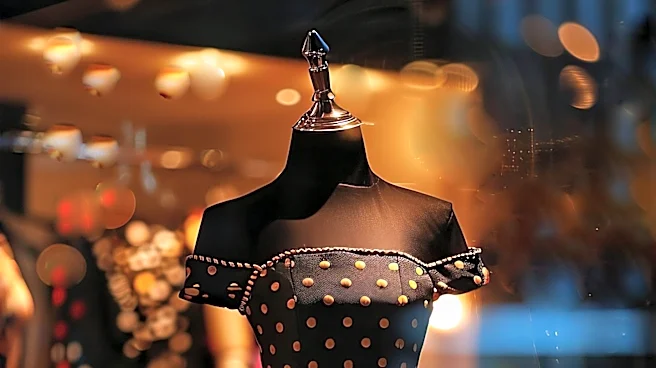
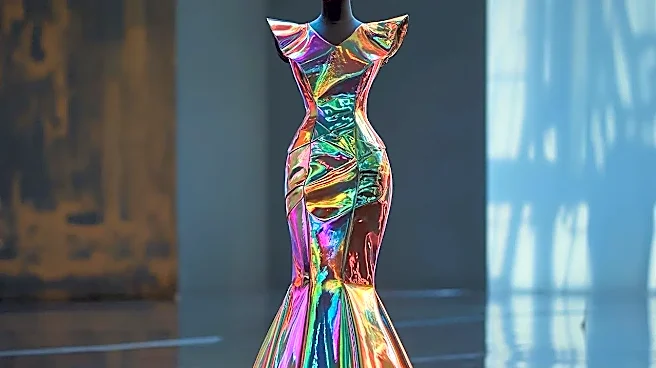
Let’s start with the dress. Choosing a Zimmermann mini isn’t just picking something pretty off a rack; it's a deliberate cultural signal. The Australian label has become a global shorthand for a specific kind of breezy, bohemian opulence. Worn by royals
like Kate Middleton and pop culture queens like Beyoncé and Taylor Swift, the brand carries an aura of sophisticated, feminine success. It’s the uniform of the woman on a perpetually sun-drenched holiday, unbothered and elegant. By selecting Zimmermann, a public figure immediately wraps herself in this established narrative of grace and status. The message before a single word is spoken is one of refined control. It’s a soft-power move, using its signature floral prints and flouncy silhouettes to project an image of unshakeable, almost ethereal poise.
Power Lacing and Contradiction
But then comes the corsetry. This is where the story gets interesting. A corset, whether built into the dress or styled as a separate piece, introduces a powerful contradiction to the breezy Zimmermann aesthetic. Historically a symbol of female restriction, the modern corset has been reclaimed as an emblem of power, structure, and a self-possessed silhouette. It’s armor. Layering this element onto a romantic mini creates a fascinating visual tension: softness and strength, freedom and control, romance and rigidity. It communicates that beneath the dreamy exterior lies a core of steel. This isn’t a woman simply floating through a situation; she is architecting her presentation. The corsetry says, “I am not as fragile as you think. I am structured, deliberate, and in command of my own form.” It complicates the narrative, adding a layer of intentionality and strength that a simple dress alone could not convey.
The World Turned Upside Down
And then, the headstand. This is the masterstroke, the moment that shatters the fourth wall of public image. In an outfit that costs a small fortune and is constructed for perfect presentation, to suddenly and skillfully perform a headstand is an act of supreme confidence and playful rebellion. It’s a physical feat that requires balance, strength, and a complete lack of self-seriousness. The headstand instantly humanizes the wearer, cutting through the high-fashion polish with a jolt of unexpected authenticity. It’s disarming, joyful, and utterly meme-able. It says, “You can analyze my clothes, but you can’t define me by them. I can be elegant and structured, but I am also grounded, flexible, and can literally flip the perspective at will.” It’s a mic drop, performed with the entire body.
A Masterclass in Modern Communication
So, why does this combination make a response land so effectively? Because it tells a complete story without uttering a syllable. In an era of endless online chatter and cynical readings of prepared statements, this three-part performance bypasses the noise. The Zimmermann mini establishes a baseline of aspirational elegance. The corsetry adds a layer of formidable, intentional strength. And the headstand provides the viral, authenticating act of playful disruption. It’s a trifecta of modern communication that projects control, power, and personality all at once. The message becomes not just what she says, but who she is: a woman so in command of her own narrative that she can wear a status symbol, cinch it with armor, and then joyfully turn the whole world on its head. The verbal response that follows is almost secondary; the visual argument has already been won.