









The Stitching Tells a Story
The first and often most telling detail is the stitching on the sleeves and bottom hem. The gold standard for vintage tees, particularly those from before the mid-1990s, is the single-stitch seam. This construction method uses one single line of thread
to finish the hem, creating a clean, flat edge. Most major American t-shirt manufacturers used single-needle machines until they transitioned to double-stitching for speed and perceived durability around 1995-1998. If you find a shirt with a single stitch on both the sleeves and the bottom hem, it’s a strong indicator that the garment was made before the mid-90s. A double-stitch, which features two parallel rows of thread, became the industry standard later and is what you'll see on almost all modern t-shirts. While some counterfeiters have started to replicate single-stitching, it’s an essential first clue to consider in combination with other factors. A shirt claiming to be from the 80s with double-stitching on both hems is a major red flag.
Decoding the Tag
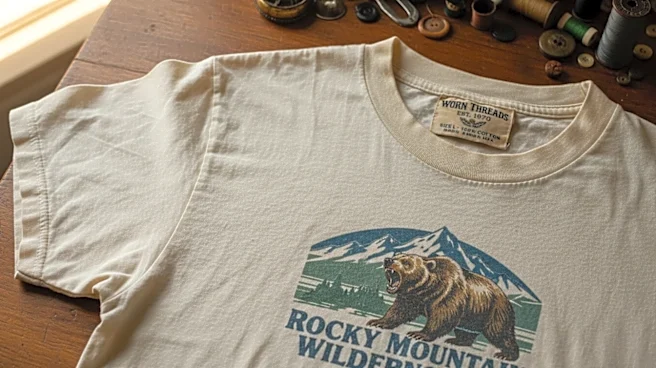
A vintage t-shirt's tag is like its passport, offering clues about its origin, age, and authenticity. First, look for a physical, sewn-in tag; screen-printed labels are a hallmark of shirts made from the mid-2000s onward. Next, check the country of origin. A "Made in USA" label is a positive sign for shirts from the 80s and early 90s, before a majority of production moved overseas. The fabric content is also key. The iconic, buttery-soft feel of many vintage tees comes from a 50/50 cotton-polyester blend, which was extremely popular in the 70s and 80s. Certain brand names are synonymous with specific eras. Look for tags from Screen Stars (especially the black bar or "Best" variations), Anvil, and Sportswear for 80s and early 90s pieces. For 90s band tees, licensors like Brockum, Giant, and Winterland are highly sought after. Even the tag's material matters—thicker woven tags were common in the 70s, while the 80s and early 90s saw more paper-like or thin nylon tags.
Analyzing the Graphic and Fabric
The graphic itself holds vital clues. Authentic vintage prints age with a distinct character. Screen prints using plastisol ink, the standard for decades, will often show fine, spiderweb-like cracking after years of wear and washing. You should be able to feel the raised ink on the fabric's surface. Modern digital or direct-to-garment (DTG) prints, in contrast, can feel smooth and integrated into the fabric, almost like a dye. Be wary of prints with artificial, uniform distressing. Natural wear is rarely perfect. Additionally, many officially licensed graphics from the 80s and 90s feature a small copyright date printed directly below the design, which can help corroborate the era. Don't forget to use your other senses. Authentic vintage fabric often feels thinner and softer than modern, heavy cottons. Sizing was also different; a large from the 1980s often fits more like a modern medium. Some collectors even note a distinct, non-musty smell for certain fabrics, though this is far more subjective.
Putting It All Together
No single detail can definitively authenticate a vintage shirt. The key is to look for consistency across all the elements. A single-stitch shirt is a great start, but if its tag is a brand that didn't exist until the 2000s, something is wrong. A perfectly aged graphic on a double-stitched shirt that claims to be from 1985 requires serious skepticism. Use these clues as a checklist: Does the stitching style match the supposed era? Does the tag's brand, material, and country of origin align with the date? Does the print show natural signs of aging consistent with the fabric's wear? When all these stories line up—the single stitch, the paper-thin Screen Stars tag, the cracked plastisol print, and the soft 50/50 fabric—you can be much more confident that you're holding a genuine piece of history.