


The Future We Were Promised
The 1970s were a fascinating paradox. The real-world Space Race was winding down, but in the cultural imagination, space was the ultimate frontier of glamour and rebellion. This era’s futurism wasn't about sterile labs or utilitarian uniforms; it was a cosmic
disco. The lodestars of this movement were figures like David Bowie as Ziggy Stardust, a flame-haired alien rock god whose lightning-bolt makeup and androgynous style shattered earthly norms. Onscreen, Jane Fonda in the 1968 cult classic Barbarella defined the 'space babe' aesthetic with metallic bodysuits, go-go boots, and voluminous hair. Designers like Pierre Cardin, who visited NASA and designed a “Cosmocorps” collection, and Paco Rabanne, known for using unconventional materials like metal and plastic, translated this vision into fashion. This was a future of shiny, touchable textures, bold graphic shapes, and a playful, gender-fluid approach to identity, blending sci-fi with high fashion.
Echoes on the Red Carpet and Runways
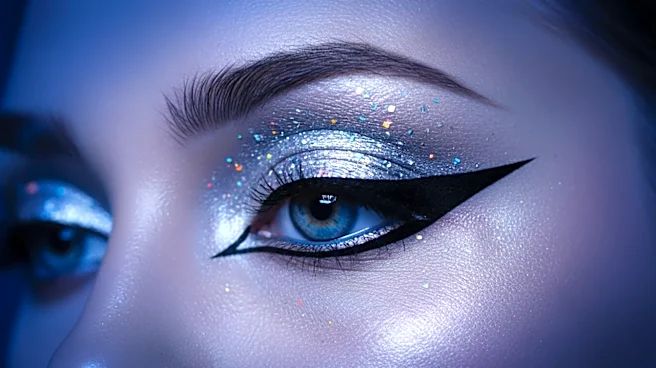
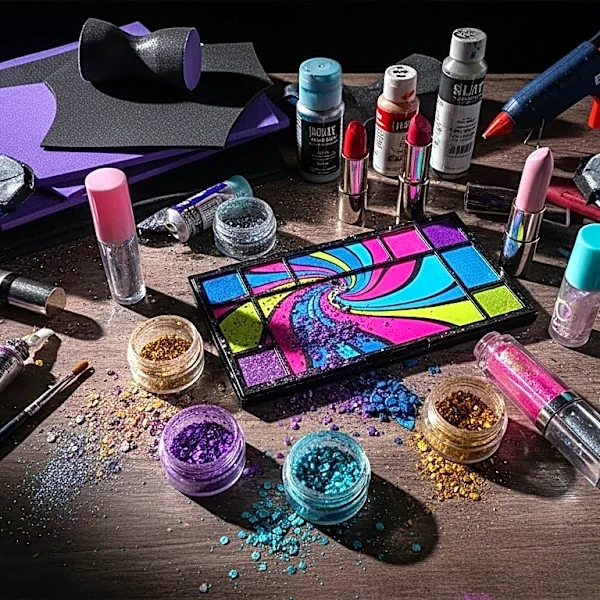
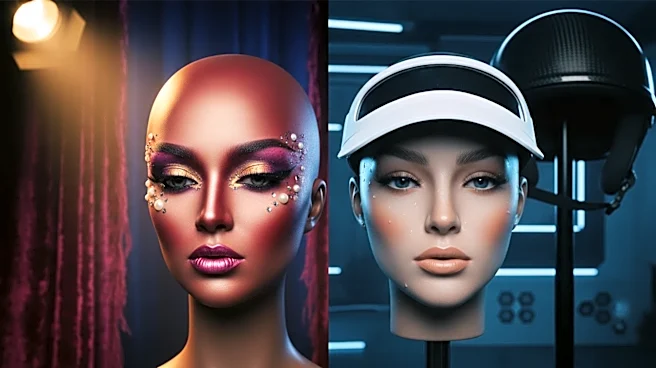
Flash forward to today, and the echoes of that aesthetic are everywhere. Metallic and holographic eyeliners are a dominant trend, with makeup artists often layering them over black liner for maximum impact. The sharp, geometric and floating graphic eyeliner looks that defined the era are staples on social media and the red carpet, seen as a way to make a bold, editorial statement. Look no further than the recent runways, where designers are once again mixing '70s disco vibes with futuristic materials. Chrome finishes, structured cuts, and shimmering, otherworldly textiles continue to appear in collections. Celebrity makeup looks frequently borrow from the Ziggy Stardust playbook, embracing glitter, bold color, and androgynous styling as a form of powerful self-expression, influencing countless followers.
An Optimism We Can Wear
So, why the obsession with this specific vision of the future? Part of the answer lies in what it represents. Today's futurism is often intertwined with technology that feels intangible and even intimidating—AI, virtual reality, and bio-hacking. It’s a future of algorithms and data, which can feel cold and impersonal. The '70s space-age look, by contrast, is a futurism you can physically wear. It’s expressive, theatrical, and deeply human. It proposed a future where individuality and creativity were paramount. Choosing a slash of silver eyeliner or a chrome-dusted eyelid is a small act of reclaiming a more glamorous and less anxious vision of what’s next. It’s a fantasy of the future that is more about personal style than it is about technological advancement.
Nostalgia For a Future That Never Was
This phenomenon is part of a larger trend known as retro-futurism: a nostalgia for past visions of the future. The 1970s were a time of great uncertainty, much like our own, but their popular culture responded with vibrant, escapist fantasies. The space-age glam of that decade offered a sense of boundless possibility. It was a future of adventure and aesthetic freedom, not dystopian dread. By reviving these trends, we are, in a way, nostalgic for a future we never got—one that felt more like a fabulous party and less like a cautionary tale. It allows us to channel a specific brand of creative optimism that feels both vintage and refreshingly hopeful in a complicated present. It’s a reminder that “the future” doesn’t have to be sleek and minimal; it can also be gloriously, glamorously strange.