




From Battlefield Tool to Everyday Carry
The utility belt’s origins are purely practical. It was born from necessity, first appearing as a way for soldiers to carry weapons and gear, a concept that dates back to ancient Roman military attire. This function-first design was adopted by tradespeople
during the Industrial Revolution, who needed to keep tools at hand. For decades, that’s where the utility belt stayed: a rugged, often cumbersome piece of professional equipment. However, the recent rise of the “Everyday Carry” (EDC) movement—a subculture focused on optimizing the essential items you carry daily—has been a major catalyst for change. Adherents wanted a way to organize keys, phones, wallets, and small tools without resorting to overstuffed pockets or bulky bags, pushing designers to rethink the format.
The Techwear and Minimalist Influence
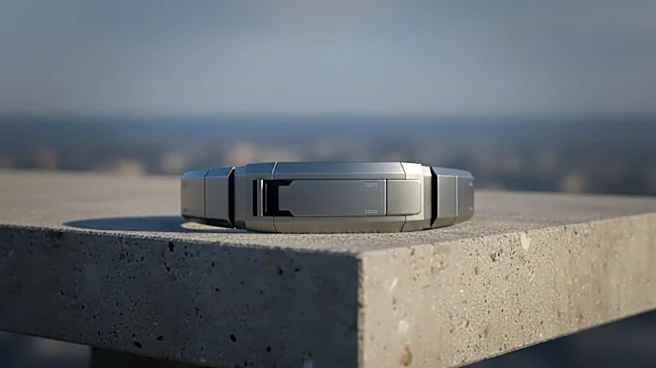
The new wave of utility belts owes much of its aesthetic to the techwear trend, which fuses futuristic style with high-performance materials. Instead of heavy leather, modern belts use durable, lightweight nylon webbing, reinforced polymers, and other advanced textiles often seen in military and outdoor gear. This shift in materials makes them more comfortable and less obtrusive. Another key influence is minimalism. Consumers are increasingly drawn to clean lines and versatile, long-lasting products. The new belts reflect this, often featuring a simple strap paired with a sophisticated, low-profile buckle, like a magnetic clasp or a quick-release mechanism inspired by tactical gear. Brands are engineering systems that are highly adjustable without the traditional holes, using hidden ratchet tracks for a perfect, comfortable fit that can be modified throughout the day.
Modularity Is the New Standard
Perhaps the biggest evolution is the move toward modularity. Instead of a single, fixed unit with permanently attached pouches, the modern utility belt is a customizable system. It starts with a sleek base belt, to which users can add or remove small, purpose-built attachments as needed. One day you might need a small pouch for your earbuds; the next, just a simple clip for your keys. This adaptability makes the belt incredibly versatile, able to transition from a weekend hike to a casual office setting. This approach swaps the old, overloaded look for a clean, intentional one, where you only carry what you need. It's a design philosophy that merges the utility of the original concept with the demands of a modern, streamlined lifestyle.
A Universal Accessory for a New Generation
As a result of these innovations, the utility belt is no longer a male-dominated accessory. Its appeal has broadened significantly. Designers are creating styles that appeal to a wide audience, integrating them into both streetwear and even more polished looks. The focus has shifted from overt, rugged masculinity to a more universal, androgynous functionality. For a generation that values both personal style and practical solutions, the sleek, modern utility belt offers the best of both worlds. It’s an accessory that doesn't just complete an outfit but also simplifies daily life, proving that practical design, when done right, is the ultimate form of style.