
The Initial Wall of Confusion
Let’s be honest: for many Americans, the first encounter with a World Cup match is bewildering. A player is running free toward the goal, an assistant referee raises a flag, and suddenly the play is dead.
What was that? It’s the offside rule, a concept so counterintuitive it feels designed to thwart excitement. Then there’s the clock, which counts up and mysteriously stops at 90 minutes, only to be supplemented by an arbitrary amount of 'stoppage time.' And what about the matches that end in a 0-0 draw, yet are discussed with the breathless intensity of a Super Bowl comeback? These aren't bugs; they're features of a game with a rhythm entirely different from that of American sports. It’s a slow burn, a game of chess on a massive green board where tension builds not through constant scoring, but through near misses, tactical shifts, and the ever-present threat of a single, game-altering mistake. This initial barrier is real, but it's also the first mystery the tournament invites you to solve.
The Gateway Drug: Raw National Pride
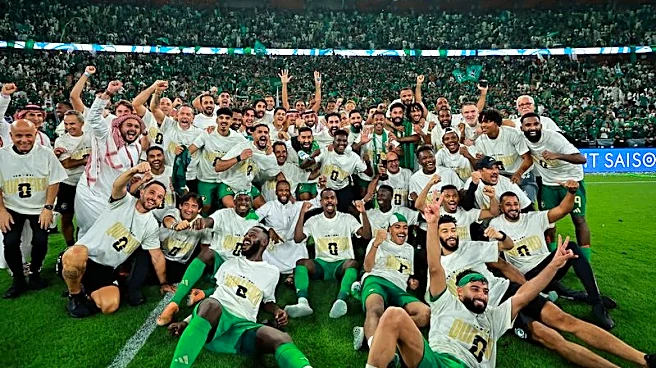
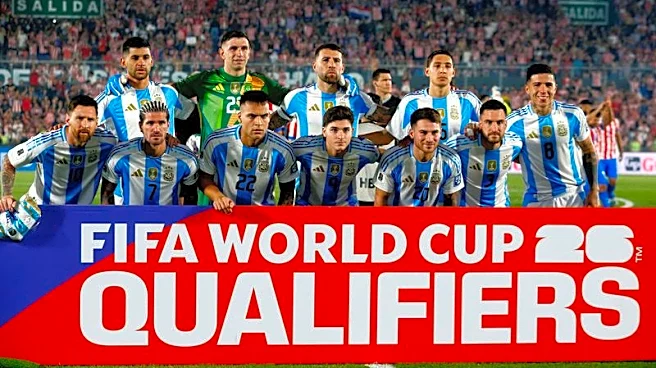
If the rules are confusing, the primary emotional hook is brutally simple: your country versus theirs. You don’t need to understand the nuances of a 4-3-3 formation to feel a jolt of pride when the U.S. scores. The World Cup strips fandom down to its most elemental form. It’s not about loyalty to a city or a billionaire owner; it’s about the flag on the jersey. This provides an immediate, powerful 'in' for the casual viewer. And if your team isn't in it, the tournament encourages you to adopt one. Maybe you have a grandparent from Italy, you enjoyed a vacation in Spain, or you just admire the underdog spirit of a team like Morocco in 2022. Suddenly, you have a stake in the outcome. This simple act of choosing a side transforms you from a confused spectator into an active participant. The game’s complexities can wait; for now, all that matters is that your team wins and the other team loses.
Discovering the Universal Narratives
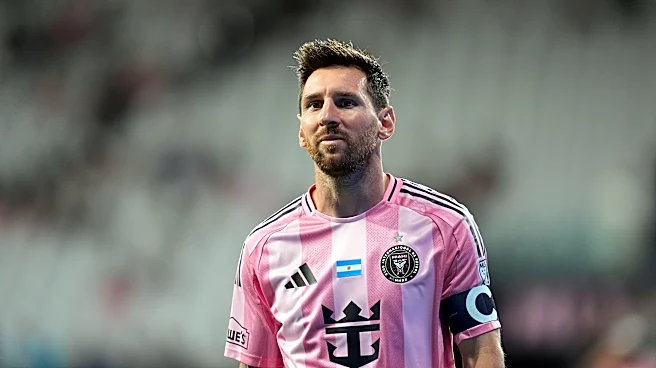
Once you’ve picked a side, you start noticing the stories. The World Cup is the world’s greatest narrative generator. Every tournament is packed with universal archetypes that require no prior sports knowledge to appreciate. There’s the aging superstar on his last quest for glory (think Lionel Messi in 2022). There’s the scrappy underdog defying all expectations (Costa Rica in 2014, Croatia in 2018). There’s the redemption arc of a player who missed a crucial penalty four years earlier. There’s the tragic drama of a tournament favorite crashing out in the group stage. These aren't just soccer games; they are three-act plays unfolding in 90-minute increments. The knockout stage, with its do-or-die stakes and the gut-wrenching tension of a penalty shootout, is pure, unscripted drama. You came for the patriotism, but you stay for the soap opera. The confusion about the rules begins to matter less than the emotional investment in the characters and their journey.
Joining the Global Water Cooler
The final stage of conversion happens not in front of the TV, but everywhere else. You overhear conversations at the grocery store, you debate a controversial call with a coworker, you see highlights dominating your social media feeds. For one month, the entire planet is focused on the same event. Being a World Cup fan means you have something in common with billions of people, from Buenos Aires to Berlin. You’re part of a temporary global community, fluent in a shared language of goals, saves, and heartbreaks. The initial confusion has now been fully replaced by curiosity, which has blossomed into genuine engagement. You start looking up player stats. You learn the difference between the Premier League and La Liga. You begin to appreciate the subtle beauty of a perfectly weighted pass or a brilliant defensive tackle. The game's intricate dance, once a source of confusion, is now a source of awe.