




The Compressing Power of the Long Lens
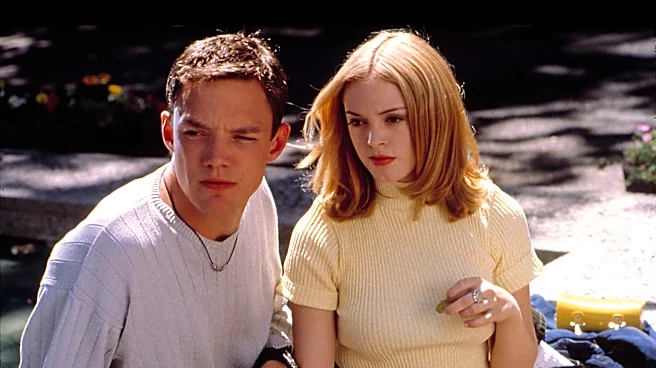
One of the most effective tools for making an audience feel trapped is a technique called lens compression. By using a telephoto or long focal length lens from a distance, filmmakers can make the background appear unnervingly close to the character in the foreground.
This visually crushes the space between them, making escape routes seem to disappear and giving the impression that a threat is much nearer than it actually is. Think of a character running down a long hallway toward the camera; with a long lens, the doorway behind them never seems to get any farther away, creating a nightmare sensation of running in place. This technique effectively removes breathing room from the frame, boxing the character in and making the viewer feel just as suffocated.
The Uncomfortable Intimacy of the Wide-Angle
While a long lens shrinks space from afar, a wide-angle lens creates claustrophobia by getting right up in a character's personal space. When placed very close to a subject, a wide lens distorts their features and the environment around them. Straight lines of a hallway might appear to curve inwards, and a character’s face can seem warped and desperate. This creates a powerful sense of unease and psychological distress, as if the world itself is bending under pressure. Directors like Robert Wise in 1963's 'The Haunting' used an experimental wide-angle lens specifically to achieve this distortion, making the very architecture of the house feel malevolent and creating a tangible sense of claustrophobia by ensuring the ceilings were always visible in the frame.
The Anxious Eye of Handheld
Sometimes, the most claustrophobic space is the one inside a character's own panicked mind. Handheld camera work is a shortcut to that feeling. The unsteady, jerky motion mimics the perspective of someone running, hiding, or struggling, putting the audience directly into their subjective experience. Because the frame is unstable and the view is limited, we feel the character’s disorientation and fear. This technique denies the audience a stable, objective view of the space, forcing them to experience the tight corners and dark shadows with the same chaotic energy as the protagonist. Instead of seeing the whole room, you only see what the terrified character sees, making every unseen corner a potential threat and shrinking the world down to a frantic, narrow point of view.
Trapped Within the Frame Itself
Beyond lenses and movement, simple composition can be a powerful tool for confinement. Filmmakers often use a technique called 'framing within the frame', where they use elements of the set like doorways, windows, or even the shoulders of another character to box the subject in. By filling the edges of the shot with these visual barriers, the audience gets a sense that there's no way out. A character might be seen through a small crack in a door, or their face might be tightly squeezed between two other figures, creating a feeling of being physically and emotionally cornered. This technique turns the movie screen itself into a cage, reinforcing the narrative's tension and making the viewer feel the pressure right alongside the character.