



The Old-School Rule: Create Angles
The traditional philosophy of contouring is rooted in the idea of creating illusions. For round faces, characterized by softer jawlines and fuller cheeks, the classic technique involves using shadow to manufacture sharper angles. This is the origin of the famous
“3” or “E” shape, where a cool-toned contour product is traced along the temples, under the cheekbones, and along the jawline. The goal is straightforward: to make the face appear more oval, which has long been considered a beauty ideal. By sucking in your cheeks to find the hollows and placing a dark line there, you are essentially faking a shadow to give the impression of a higher, more prominent cheekbone. This method is about correction and creating structure that isn't naturally there.
The Modern Approach: Enhance, Don't Hide
A growing number of makeup artists are pushing back against the idea of “correcting” face shapes. This newer school of thought champions the idea of enhancing, not changing, your natural features. For a round face, this means celebrating its inherent softness and youthfulness. Instead of carving out harsh lines to create angles, the modern approach uses “soft sculpting” to add dimension. The focus shifts from creating drastic shadows to gently building definition. The goal isn't to transform a round face into an oval one, but to make the existing structure pop in a subtle, more natural-looking way. This philosophy sees makeup as a tool for celebration rather than camouflage.
The Great Placement Debate
Herein lies the biggest point of contention. Traditional contouring dictates placing the line in the natural hollow of the cheek, often angled down towards the corner of the mouth. However, many makeup artists now argue this can drag the face down, making it look wider or even creating an unflattering, muddy appearance. The modern technique advises placing contour product slightly higher on the cheekbone, blending upwards and outwards toward the ear. This creates a visual lift, drawing the eye upward and giving the face a more lifted, snatched appearance without adding harshness. Similarly, some newer trends even experiment with vertical contouring lines for a different kind of sculpted effect. The disagreement isn't about whether to contour, but about where the shadow will be most flattering—and that depends entirely on whether your goal is to slim or to lift.
Beyond Technique: Tools and Textures
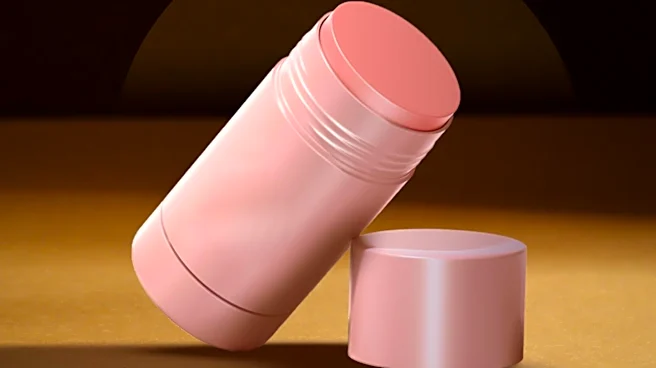
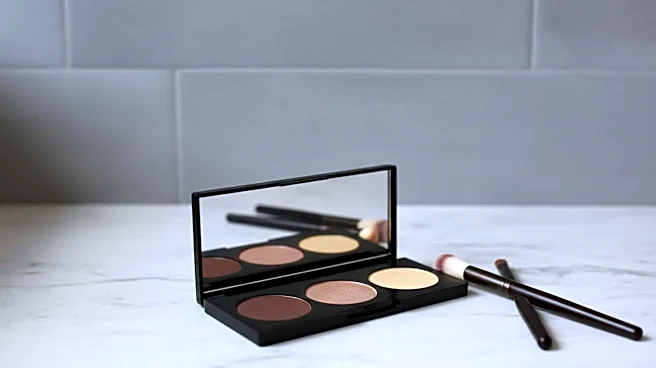
The debate also extends to the products themselves. The traditional, sharp contour look is often achieved with cream or stick products that can be drawn on with precision and then blended. These are ideal for creating defined lines. On the other hand, the softer, more enhancement-focused approach often favors powder bronzers or contours. Powders are more forgiving and allow for a more diffused, buildable application that mimics a natural shadow rather than a stark line. Brushes versus sponges is another battlefield; a dense brush might give you a sharp line, while a damp sponge will melt the product into the skin for a seamless, subtle finish. The choice of tool often reveals the artist's underlying philosophy on what contour is meant to achieve.
What the Pros Are Actually Doing
When you look at the work of top celebrity makeup artists, you see both philosophies in action. Some artists, especially for red carpet or photography, still rely on classic contouring to sculpt and define under harsh lighting. You’ll see chiseled jawlines and prominent cheekbones on stars known for their rounder faces. However, many others are embracing the softer look. You’ll notice makeup that focuses on radiant skin, flushed cheeks with blush placed high on the bone, and a gentle warmth from bronzer rather than a sharp contour line. This proves there's no single right answer. The technique ultimately depends on the individual's face, the occasion, and the desired aesthetic. Makeup is not one-size-fits-all, and the evolution of contouring for round faces is a perfect example.