



The Agony and Ecstasy of 'Sold Out'
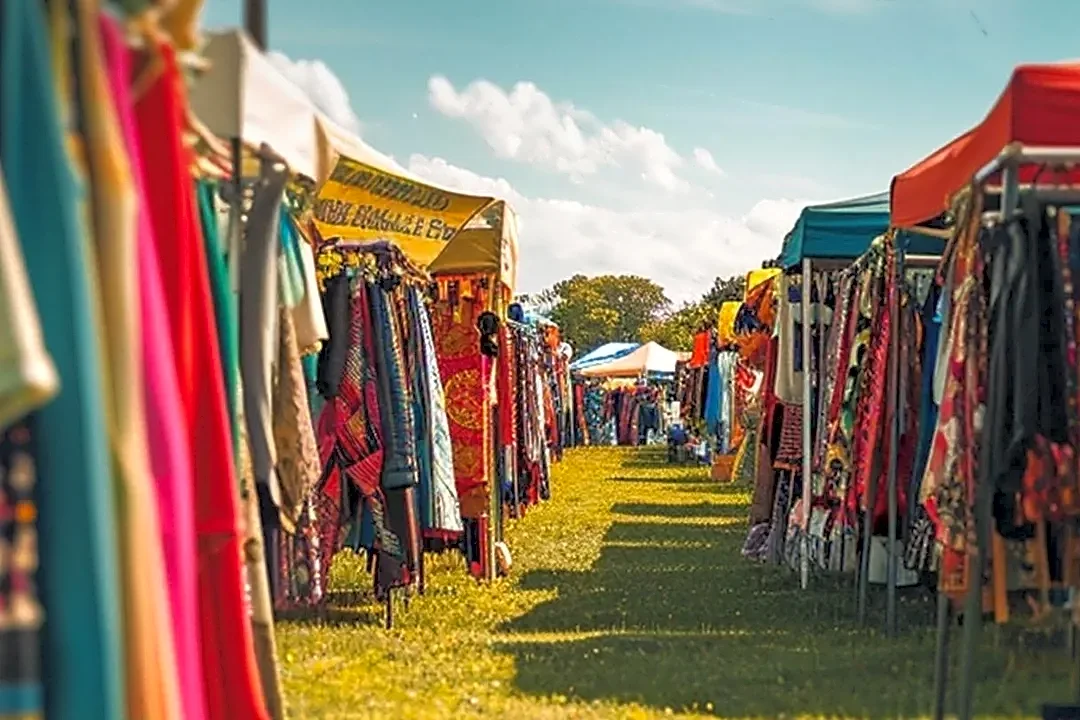
Spend any time at Camp Flog Gnaw and you'll see them: impossibly long lines snaking away from the merchandise tents. Fans arrive at Dodger Stadium and make a beeline for the merch booths, sometimes waiting for hours for a chance to buy a piece of the festival.
It's a scene of organized chaos fueled by the near-certainty that the most coveted items—a specific hoodie, a festival-exclusive jacket, or a unique Golf Wang piece—will be gone long before the headliner takes the stage. For many, the first few hours of the festival are dedicated entirely to shopping. This dedication isn't just about consumerism; it's a core part of the Camp Flog Gnaw experience, transforming a simple t-shirt into a hard-won prize.
Scarcity as a Status Symbol
The strategy at play is a masterclass in scarcity marketing, a principle that dictates when an item is hard to get, its perceived value skyrockets. In the world of streetwear and fan culture, a sold-out item is more than just clothing; it's a status symbol. Owning a limited-edition Camp Flog Gnaw piece signifies that you were there, you were dedicated enough to brave the lines, and you are part of an exclusive club. This taps into a powerful psychological driver known as FOMO, or the 'fear of missing out'. The knowledge that an item is produced in finite quantities creates an urgent need to acquire it, turning a passive desire into an active mission. Much like sneaker drops or Supreme releases, the difficulty of the purchase is part of the appeal.
More Than a Hoodie, It's a Wearable Memory
Beyond the hype, the merchandise serves a deeper purpose: it acts as a tangible artifact of the festival experience. A lineup hoodie isn't just a list of bands; it's a wearable scrapbook of a weekend. This emotional connection transforms an article of clothing into a cherished keepsake. It’s proof of attendance and a conversation starter with other fans who recognize its significance. By making these items exclusive to the event or available in extremely limited online drops, the festival ensures the merch retains its power as a physical link to the memory of the event itself, something a widely available item could never achieve.
The Tyler, the Creator Effect
This entire strategy is an extension of Tyler, the Creator's personal brand. His fashion ventures, from the skate-inspired Golf Wang to the luxurious Golf le Fleur*, are built on a foundation of curated aesthetics and high demand. Fans don't just mimic his style; they buy into his entire creative universe. The festival merch is no different. It's not seen as a cynical cash grab but as another authentic piece of Tyler's world. Items like the mystery bags of old Golf Wang stock or festival-exclusive collaborations become instant collector's items because they are filtered through his specific vision. This direct line from artist to product gives the scarcity model an integrity it might lack in other commercial contexts.
Fueling Community and the Aftermarket
The immediate sell-out of merchandise at the festival gates accomplishes two final things. First, it fuels a vibrant fan community. Before the event, fans strategize online about how to 'divide and conquer' the merch lines. Afterward, they showcase their hauls, trade items, and bond over their shared wins and losses. Second, it creates a booming resale market. A jacket that sells out at the festival can appear online for double or triple the price, and people will pay it. While frustrating for some, this aftermarket activity paradoxically reinforces the value and mystique of the original items. It keeps the conversation going long after the festival ends, ensuring that the hunt for next year's exclusive merch starts almost immediately.