


The Two Warring Factions of Menswear
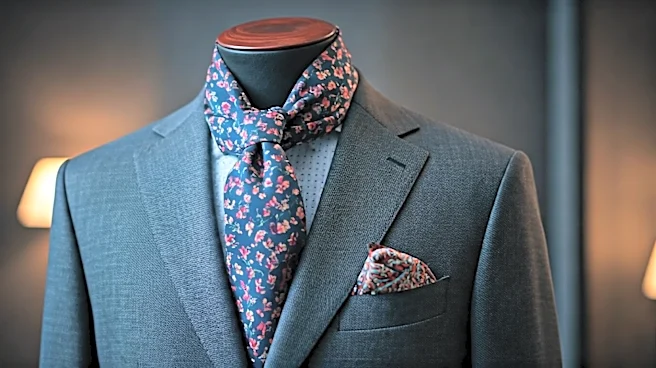
On one side, you have Pitti Uomo. Technically a menswear trade show, its real fame comes from the street style outside. Think brilliantly tailored suits in bold colors, artfully draped scarves, double-breasted blazers worn with confident ease, and an overall
air of theatrical self-expression. The guiding principle is *sprezzatura*—a studied carelessness that makes looking impeccable seem effortless. It’s aspirational, artistic, and, for most American offices, completely impractical. On the other side is business casual, the de facto uniform for millions. Its principles are safety, conformity, and function. The khaki-and-blue-button-down combo is its most famous cliché. While it gets the job done without violating a dress code, it often lacks personality, intention, and, frankly, good fit. It’s the style equivalent of a sensible sedan: reliable, but rarely exciting.
Borrow: A Serious Focus on Fit
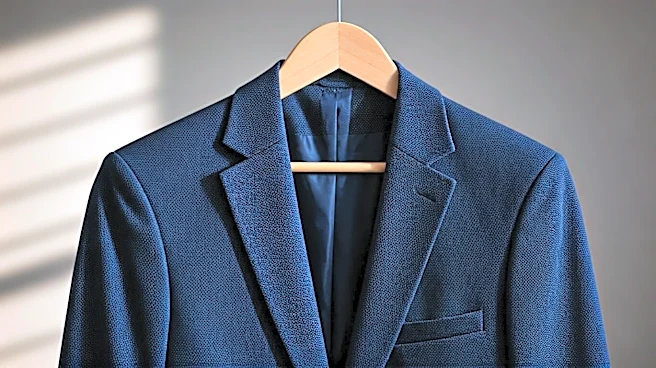
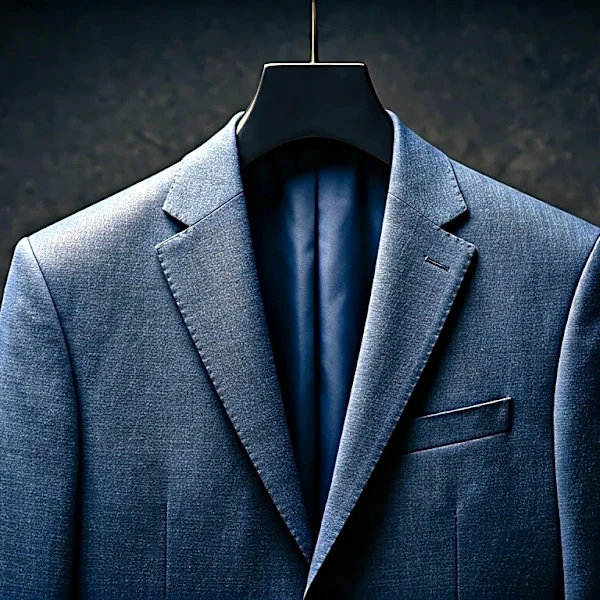
The single biggest lesson to take from the peacocks of Pitti is the transformative power of tailoring. A $100 pair of pants that has been tailored to fit you perfectly will look better than a $500 pair off the rack. While you don’t need the skin-tight fit of an Italian suit, you can apply the principle to your business casual staples. Get your chinos hemmed to have a clean break with no pooling fabric at the ankle. Have a tailor take in the sides of your button-down shirts so they don’t billow around your waist. This small investment elevates your entire look from “I have to wear this” to “I chose to wear this.” It’s the foundation upon which all good style is built.
Borrow: An Introduction to Texture
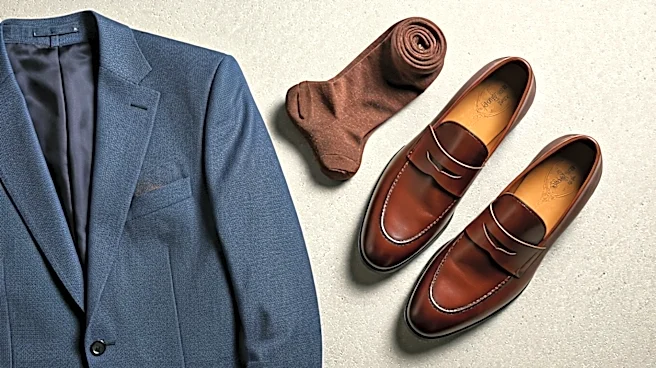
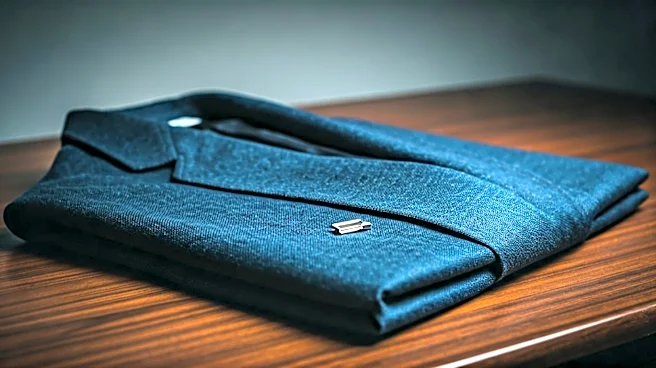
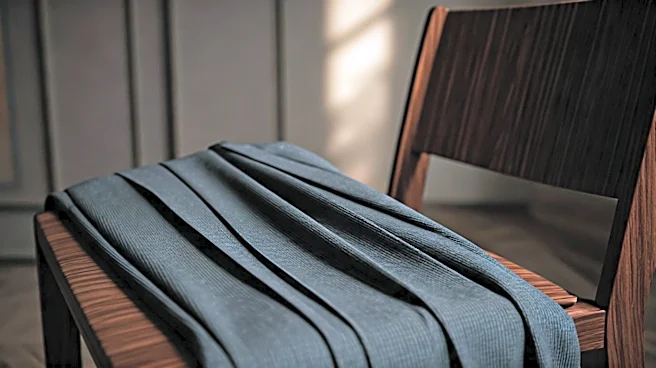
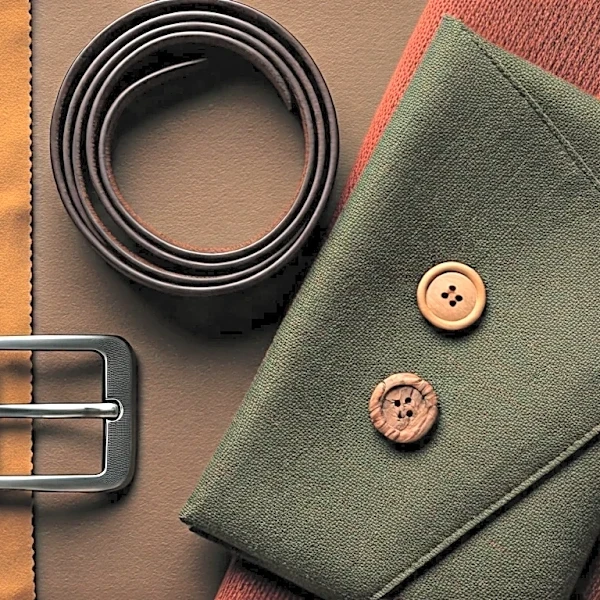
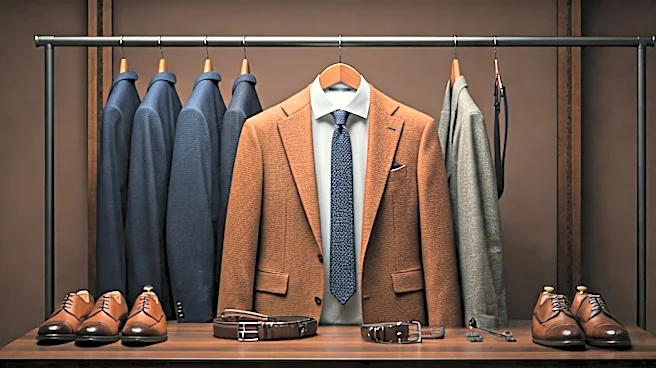
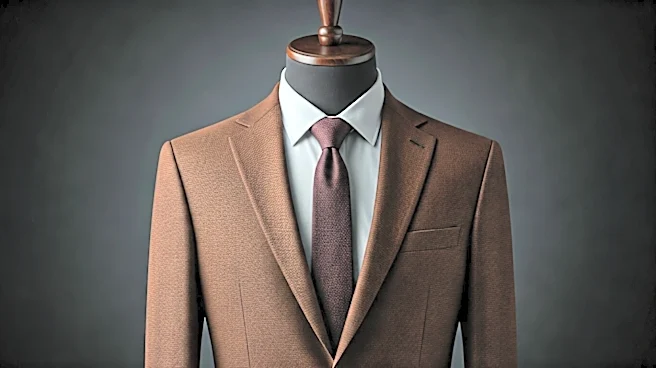
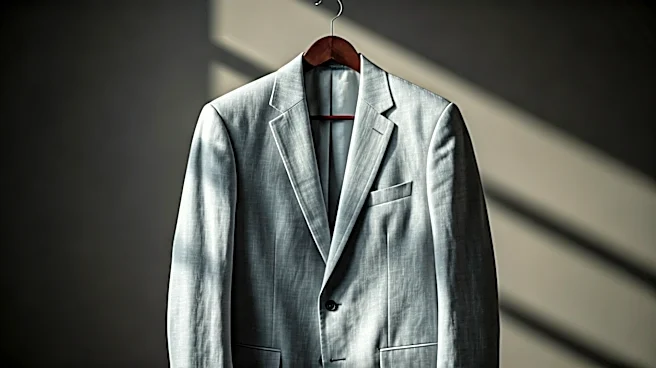
Business casual often falls flat because it’s a sea of smooth, boring cotton. Pitti style, however, is a masterclass in texture. You don't need a canary yellow suit to do this. Instead, introduce subtle textural variety. Swap your standard cotton blazer for one in a linen blend for summer or a tweed or corduroy for fall. Trade your smooth merino wool sweater for a chunky cable-knit or a ribbed cardigan. Even your shoes can play a part—suede loafers or chukka boots have a richer, more interesting feel than polished leather. Texture adds visual depth and makes an outfit feel more considered and luxurious, even if the colors are muted.
Skip: The Full Theatrical Costume
A man at Pitti Uomo might wear a wide-brimmed hat, a flowing trench coat, sunglasses, a pocket square, and perfectly sockless loafers—all at once. It works in the context of a fashion event in Florence. It does not work for a Tuesday morning meeting in Omaha. The key is to borrow elements, not the entire uniform. Pick one statement piece, not five. Trying to replicate a full Pitti look in a normal setting can come off as wearing a costume. The goal is to look like a better-dressed version of yourself, not an extra in an Italian film.
Skip: Aggressive Sprezzatura
*Sprezzatura*, that art of looking intentionally imperfect, is an advanced-level move. The unbuttoned shirt cuff, the playfully askew tie, the popped collar on a jacket—these gestures are meant to signal a relaxed confidence. But when executed poorly by someone who hasn't mastered the basics, they just look sloppy. The guy at Pitti with the unbuckled monk strap shoes knows exactly what he’s doing. If you try it, you might just look like you forgot to get dressed properly. Instead of aiming for calculated dishevelment, focus on being neat, clean, and well-fitted. True confidence comes from that, not from a manufactured affectation.