




The Proportion Problem: Ignoring Length
One of the most frequent missteps is choosing a vest that hits at the wrong spot. A vest that ends right at the widest part of your hips or torso can create a horizontal line that makes you appear wider. Conversely, a vest that's too short and boxy can make your top
half look disproportionately small or large. The goal is to create a long, vertical line. Opt for longline vests that fall below the hips, which help elongate your entire silhouette. This draws the eye up and down, rather than side to side, creating a more streamlined and balanced look. If you do love a shorter vest, try pairing it with high-waisted bottoms to visually raise your waistline and keep your legs looking long.
The Bulk Factor: Choosing the Wrong Fabric
Not all vests are created equal, and fabric is everything. A common mistake is reaching for ultra-thick, bulky styles—like heavy sherpa or oversized, quilted puffer vests—in an attempt to stay warm. While cozy, these can add significant visual volume where you don't want it. The key is to find materials that provide structure or warmth without the bulk. Look for vests made from fabrics that drape well, such as soft knits, tailored wool blends, or lightweight puffer styles with less dense filling. A vest with a faux fur front but a knit back can offer texture without overwhelming your frame. The idea is to layer for shape, not just for warmth.
The Foundation Fail: Forgetting the Base Layer
What you wear underneath a vest is just as important as the vest itself. Many people mistakenly pair a vest with an equally loose or bulky base layer, like a heavy, untucked sweater. This combination can lead to a shapeless, undefined look that hides your curves. The most effective strategy is to start with a more fitted base. A simple, well-fitting long-sleeve tee, a slim-fit turtleneck, or a tailored blouse provides a smooth canvas. This allows the vest to be the star of the show while still letting your natural shape come through. Think of it as creating a clean, defined silhouette first, then adding the vest as a stylish, finishing third piece.
The Fit Fallacy: Believing Boxy is Better
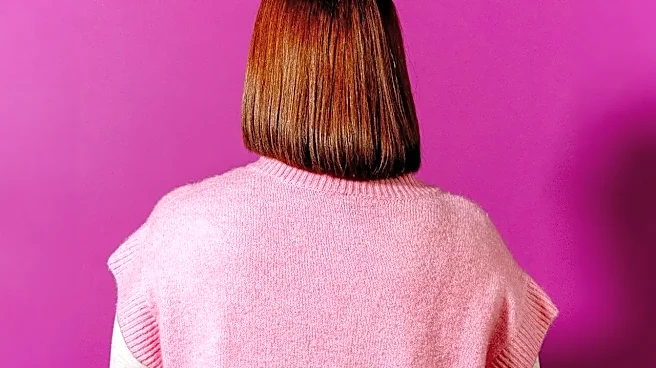
In an effort to avoid clothes that are too tight, many people default to oversized, shapeless, or boxy styles, and this is a particularly common error with vests. A boxy cut doesn't skim your curves; it hides them, often making you look wider. A well-fitting vest should skim your body without pulling or gaping. Look for styles with subtle shaping, like darts at the bust, a slightly nipped-in waist, or an open front that naturally creates vertical lines. Don't be afraid of tailored pieces; a structured suiting vest, for example, can create a powerful and defined silhouette, especially when worn over a simple top. Even a puffer vest can have a flattering shape if it has princess seams or a defined waist.
The Open-and-Shut Case: How You Wear It Matters
The final misreading is a simple one: thinking you can only wear a vest one way. Most people zip or button it up and call it a day. However, how you style it can completely change the effect. Wearing a vest open is one of the easiest ways to create those flattering, long vertical lines that slim and elongate the torso. If you want more definition, try belting your vest. Placing a belt at your natural waist over an open or closed vest instantly highlights your narrowest point and creates an hourglass shape. You can also play with partial zipping; zipping a vest halfway can create a V-neckline, which is universally flattering and draws attention upward toward your face.