


The Blueprint of a Comedy Generation
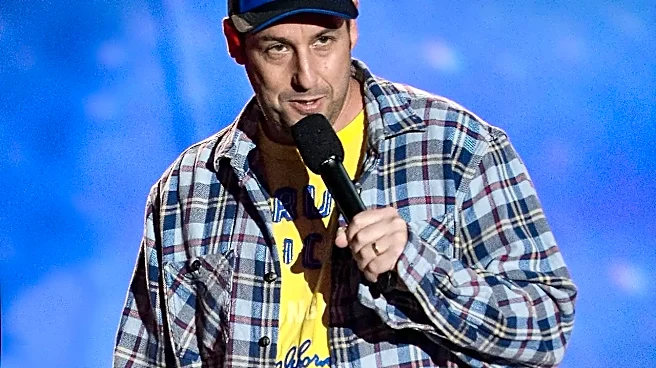
To understand the shift, you have to appreciate the mountain that is Adam Sandler's influence. In the 1990s, he wasn't just a comedian; he was a phenomenon. After breaking out on "Saturday Night Live" with characters like Opera Man and his iconic holiday
songs, Sandler's comedy albums became staples in millions of CD players. His style—a mix of juvenile silliness, unexpected bursts of anger, and catchy, nonsensical songs—created a comedic language that an entire generation understood. Films like "Billy Madison" and "Happy Gilmore" weren't just movies; they were cultural touchstones that solidified his persona as the ultimate man-child. For aspiring comics and writers at the time, Sandler's success provided a clear, if inimitable, path: build a strong, personality-driven brand of humor that was relatable, ridiculous, and perfect for a mainstream audience that wasn't looking for deep political satire.
The Comedy Landscape's Quiet Revolution
While Sandler was building his movie empire, the ground beneath stand-up comedy was shifting. The 2010s saw the rise of a new kind of comedy special, one that was often more of a one-person show than a collection of jokes. Comedians like Hannah Gadsby with "Nanette" turned the format into a space for raw, emotional confession, challenging the very structure of a traditional setup and punchline. Figures like Bo Burnham used multimedia and theatricality to deconstruct fame and performance itself. This wasn't a rejection of Sandler specifically, but a creative divergence. The focus for many new writers and performers moved from pure, broad entertainment to personal narrative, social commentary, and artistic experimentation. The idea of what a stand-up special could be had expanded dramatically, creating new lanes that didn't exist when Sandler's style was the dominant force.
A Metaphorical Walkout: Performance vs. Prose
The headline's notion of "writers" walking away hints at a core tension in comedy: the meticulously crafted joke versus the force of a personality. Sandler's genius has always been more in his performance than his prose. His comedy feels spontaneous, chaotic, and driven by his unique charisma, even when it's scripted. This contrasts sharply with the modern, often densely written specials that are celebrated for their literary and structural qualities. When writers today work on a special, they are often building intricate stories with callbacks, thematic arcs, and polished monologues. This represents a different philosophy of comedy, one that values the written word as much as the delivery. So, the "walk away" isn't a literal act of protest, but a metaphor for a generation of comics and writers choosing a different creative path—one that prioritizes tightly woven narratives over the glorious, goofy anarchy that Sandler perfected.
Even Sandler Isn't Just Sandler Anymore
The interesting twist in this story is that Adam Sandler himself has evolved. While his film production company, Happy Madison, continues to produce the familiar comedies his fans love, Sandler has also shown surprising new dimensions. His dramatic turns in films like "Punch-Drunk Love" and "Uncut Gems" earned him critical acclaim, proving the depth of his talent beyond slapstick. Even more telling was his 2018 Netflix special, "100% Fresh." It was a triumphant return to stand-up that blended his classic silly songs with moments of genuine heart and maturity, including a touching tribute to his late friend Chris Farley. The special was lauded by critics as a return to form and earned him an Emmy nomination for writing. It showed that Sandler, too, was capable of 'walking away' from the very persona he established, blending nostalgia with a newfound sincerity that connected with audiences old and new.