

The Rocket Fuel of a Breakout Moment
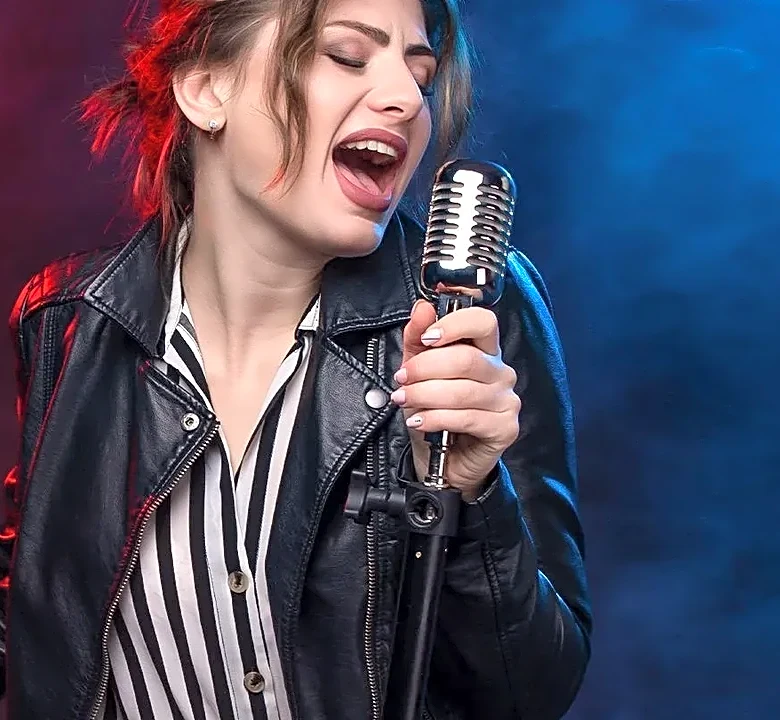
There’s nothing quite like the energy of an artist in the middle of their ascent. For the 2026 festival, that role was perfectly embodied by Stella Lefty. The singer-songwriter, whose single “Boston” became a viral sensation earlier in the year, arrived
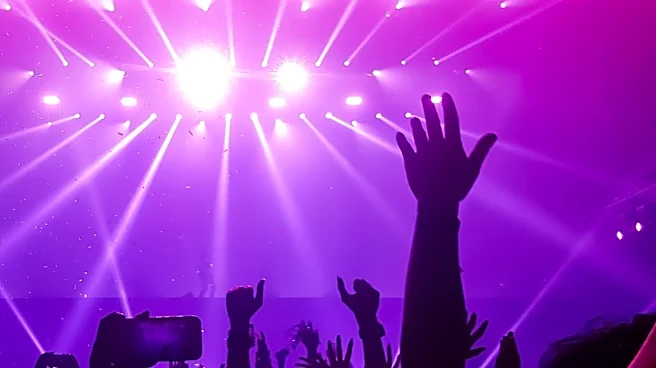
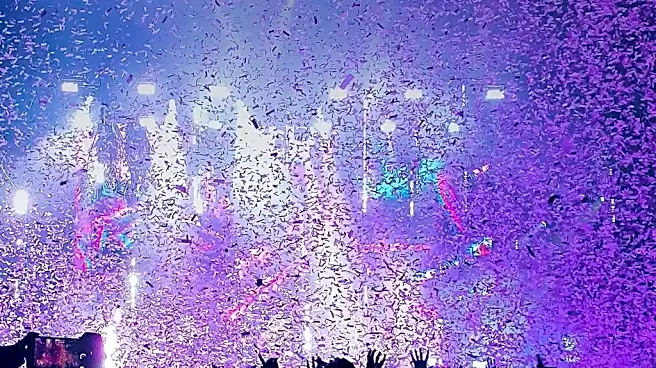
with the palpable buzz of being the ‘next big thing.’ For many in the T-Mobile Arena, it was their first chance to see her live. A breakout star’s power isn’t in a deep catalog; it’s in the concentrated force of one or two ubiquitous hits. When Lefty launched into her signature song, the reaction was explosive. It was a mass singalong fueled by social media trends and the sheer excitement of being part of a new artist's story. The performance is raw, urgent, and relies on a singular, powerful connection to a song that has defined the year for many listeners. It's less a showcase of seasoned stagecraft and more a shared celebration of a cultural moment.
The Masterclass of a Veteran Headliner
On the other end of the spectrum are the veterans, the acts with decades of hits and a road-tested command of the stage. This year, a band like Weezer or the Goo Goo Dolls fits that bill perfectly. Their contract with the audience is entirely different. They don’t need to prove themselves; they need to deliver on a promise of shared history. When a veteran act launches into a classic like "Buddy Holly" or "Iris," the energy shift is profound. It’s not the explosive burst of the new, but a deep, rumbling wave of nostalgia and collective memory. The singalongs are just as loud, but they carry a different weight—a sense of time, of songs that have been the soundtrack to people's lives. These performers are masters of pacing and crowd work, knowing exactly when to deploy a power ballad, an anthemic rocker, or a moment of quiet connection. Their set isn't about a moment; it's about a legacy.
Novelty vs. Nostalgia
So how can two opposite approaches both succeed so brilliantly? It comes down to the psychology of a festival audience, which is rarely a monolith. A portion of the crowd is always hunting for discovery. They want to see the artist everyone is talking about and feel the thrill of the new. The breakout star feeds this hunger for novelty and cultural currency. Their victory is in capturing the present tense. Meanwhile, another part of the crowd seeks comfort, community, and the powerful emotional release of nostalgia. The veteran headliner provides this sense of stability and shared experience. Their performance is a testament to endurance, a rock in the ever-changing stream of pop culture. Winning the crowd isn't about having the most hits or the newest sound; it's about understanding what you represent to them. The breakout star is an exhilarating risk, while the veteran is a guaranteed reward.
An Ecosystem of Entertainment
Ultimately, a festival like iHeartRadio isn't a competition between these two archetypes; it's a showcase of how they complete each other. The lineup, which spanned from global K-pop superstars like BTS to country icons like Kenny Chesney and hip-hop legends like Snoop Dogg, is designed to create a dynamic experience. The jolt of energy from a new artist like Stella Lefty primes the crowd, while the seasoned showmanship of a band like The Smashing Pumpkins provides a grounding, communal anchor. One performance is about 'you had to be there for this,' while the other is about 'we've all been here together.' An audience gets to feel both the thrill of what's next and the warmth of what's lasted. It’s this blend of discovery and familiarity that makes the festival format so enduring, offering a complete emotional journey over two nights.