





The Simple Math of Smart Style
Let’s get the definition out of the way. Cost-per-wear is a simple, almost brutally honest formula: the total price of a garment divided by the number of times you wear it. A $50 fast-fashion shirt you wear twice before it shrinks has a cost-per-wear
of $25. A beautifully crafted $500 sweater that you wear 10 times a year for a decade has a cost-per-wear of just $5. The concept forces a radical shift in perspective, moving the focus from the immediate pain of the price tag to the long-term pleasure of ownership and utility. It’s not about being cheap; it’s about being strategic. It’s the difference between buying an asset and buying a disposable good. This isn't a new idea, but in an age of overflowing landfills and tightening wallets, it has regained a powerful, almost moral, significance.
Milan's Doctrine of Durability
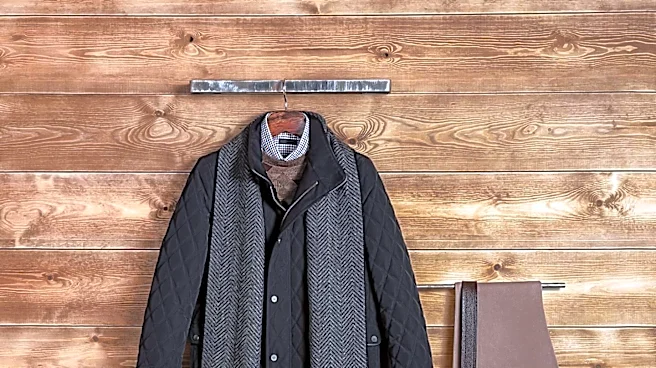
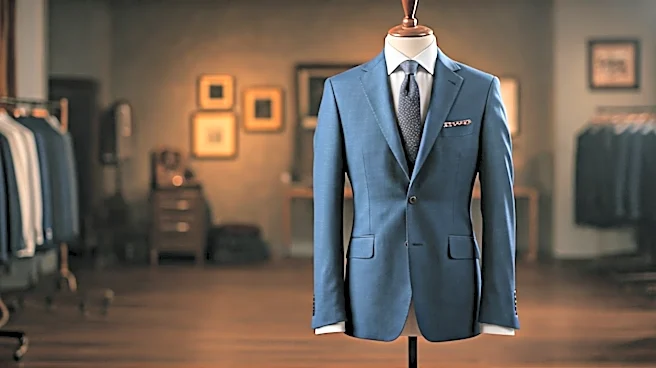
No one understands this doctrine better than the storied houses of Milan. Brands like Zegna, Brunello Cucinelli, and Loro Piana have built global empires not on fleeting trends or flashy logos, but on a foundation of obsessive quality. Their work is a quiet rebellion against the planned obsolescence that drives so much of the fashion industry. Walk into one of their stores, and you’re not assaulted by the “it” color of the season. Instead, you are enveloped in a world of impeccable materials—vicuña, baby cashmere, high-twist wools—and silhouettes that feel both modern and timeless. These aren’t clothes designed to be worn for a single season and then cast aside. They are designed to be lived in, to acquire character, and to be passed down. The construction is flawless, the tailoring is forgiving yet precise, and the color palettes are versatile, meant to anchor a wardrobe rather than disrupt it.
The Opposite of 'Hype'
This philosophy stands in stark contrast to the hype-driven cycles that dominate other corners of the luxury market. While some brands rely on artificial scarcity and loud branding to create desire, the Milanese masters practice a different art: the art of quiet confidence. The value isn’t screamed from a logo; it’s whispered in the drape of a jacket or the feel of a knit against your skin. This approach is inherently more sustainable, not just in an ecological sense but in a stylistic one. A perfectly cut navy blazer from Zegna will look as good in 2034 as it does today. The same cannot be said for the graphic-heavy hoodie or the exaggerated sneaker of the moment. By focusing on longevity, these brands encourage a more mindful form of consumption: buy less, but ensure what you buy is exceptional. It’s an antidote to the endless churn of micro-trends and the anxiety of feeling constantly out of date.
Why It Resonates in America Now
This Milanese mindset is finding fertile ground in the U.S. for several reasons. The cultural phenomenon of “quiet luxury,” while often parodied, points to a genuine shift in American consumer values. After years of logo-mania and streetwear dominance, there’s a growing appetite for sophistication that doesn’t shout. Furthermore, economic uncertainty makes “investment dressing” feel less like an indulgence and more like a prudent financial strategy. When you can’t afford to replace your entire wardrobe every year, investing in pieces that will endure makes simple economic sense. Finally, there’s a burgeoning awareness of sustainability. American consumers are increasingly questioning the environmental and human cost of fast fashion, and the cost-per-wear philosophy offers a practical, elegant alternative—a way to love clothes without contributing to a culture of waste.