

The Rise of the Luxury Uniform
Walk through any major financial district or upscale social event, and you’ll see it: a sea of impeccably dressed men in what has become the unofficial uniform of modern success. The components are specific yet subtle: a perfectly tailored navy or charcoal
suit, a crisp white shirt, a fine-gauge cashmere sweater in a neutral tone, and understated, logo-free leather goods. This is the aesthetic of “quiet luxury,” a trend amplified by social media and television dramas that celebrate understated wealth. It’s a reaction against the loud logos and maximalism of the past, favoring instead a demonstration of taste through quality, fit, and fabric. The appeal is obvious. It’s safe, it’s sophisticated, and it communicates a certain insider knowledge. In a world of fleeting trends, it promises timelessness. Yet, in its widespread adoption, it has created a new kind of conformity, where the pinnacle of bespoke and made-to-measure tailoring results not in unique expression, but in a beautifully crafted, very expensive uniform.
The Psychology of Blending In
Why are so many men, when given the limitless options of custom tailoring, choosing a look that is fundamentally conservative? Part of it is a cultural pendulum swing. After years of bold streetwear and peacocking, there's a collective desire for something more grounded and adult. But there's a deeper psychology at play. This uniform offers a kind of social armor. It projects success and stability without attracting unwanted attention. In an era of intense online scrutiny, playing it safe feels like a smart move. Social media has democratized fashion inspiration, but it has also created an environment of constant comparison, which can foster a fear of standing out in the “wrong” way. The quiet luxury uniform is, by definition, correct. It adheres to a set of unwritten rules that are easily learned and replicated, removing the risk and vulnerability that comes with developing a truly personal style. It’s the sartorial equivalent of a cheat sheet for good taste, but it often bypasses the rewarding work of self-discovery.
Where True Individuality Went
Bespoke tailoring was once the ultimate expression of individuality. A tailor would create a garment from a unique pattern, designed not just to fit the client's body, but to reflect his personality and lifestyle. Today, while the craftsmanship remains, the goal for many seems to be achieving a perfected version of an existing template. True style, however, is often found in the imperfections and the personal touches—the way a man combines high and low, the unexpected color choice, the vintage accessory that tells a story. Fashion history is filled with men who used clothing to express a unique identity, from the flamboyant dandies of the 19th century to the rock-and-roll peacocks of the 1970s. This spirit is being challenged by an algorithm-fueled culture that rewards aesthetic consensus. When the goal is to look like a curated social media feed, the beautiful quirks and happy accidents that define personal style are often the first things to be edited out.
Finding the Personal in the Premiere
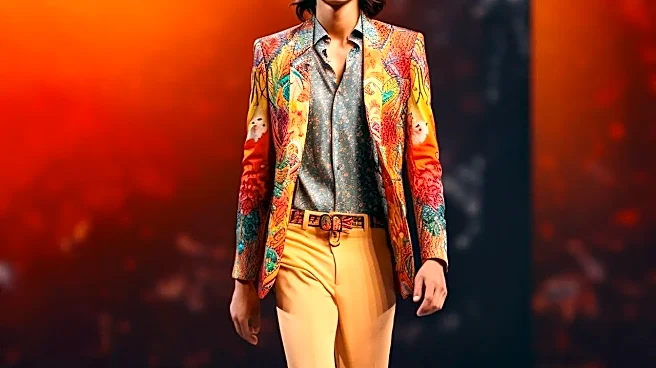
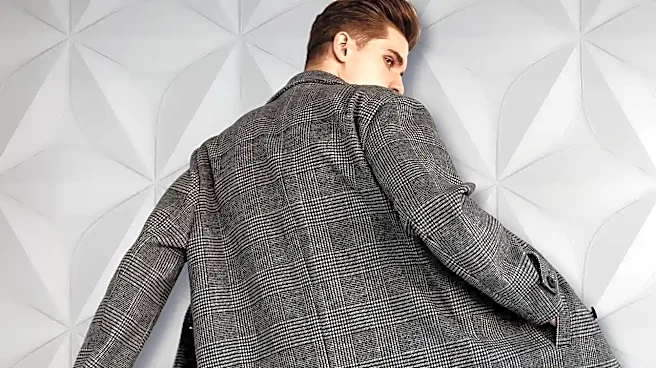
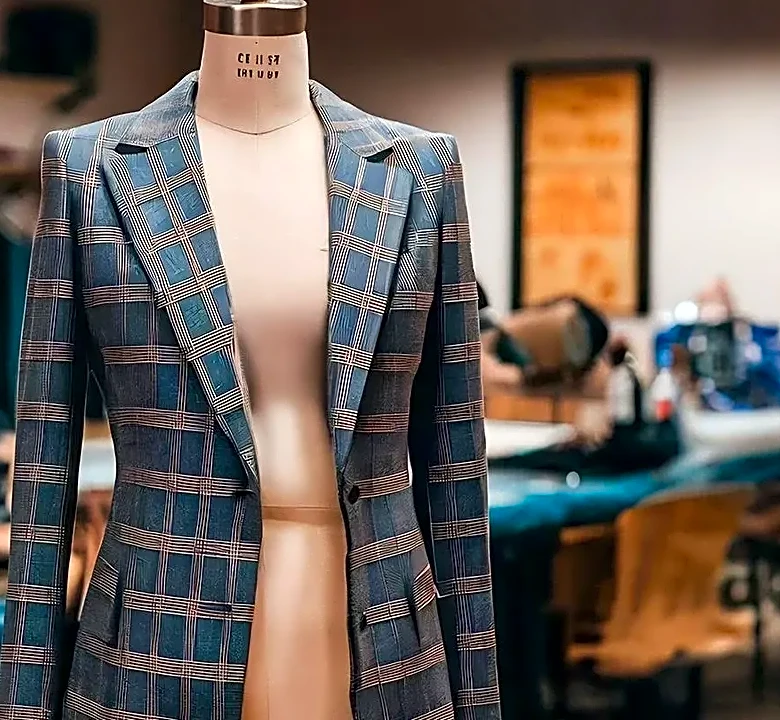
The solution isn’t to abandon quality tailoring. A well-made suit or jacket is still one of the most powerful tools in a man's wardrobe. The shift required is one of mindset—from dressing to fit in, to dressing to express. This is where the true potential of premiere tailoring can be unlocked. It's about moving beyond the default neutral palette and exploring richer colors or bolder heritage patterns like pinstripes. It’s about playing with texture—a velvet jacket, a mohair sweater, a raw silk tie. Recent trends show a renewed interest in personal details and confident proportions, signaling a desire to move past the uniform. Individuality can be found in a distinctive silhouette, a surprising choice of lining, or how a formal piece is styled for a casual setting. It’s about seeing a bespoke garment not as the end point of style, but as the foundation upon which a unique personality can be built. The most interesting men in any room are rarely the ones who are dressed the most “correctly,” but the ones whose clothes feel like an authentic extension of who they are.