







He Angered the Wrong God
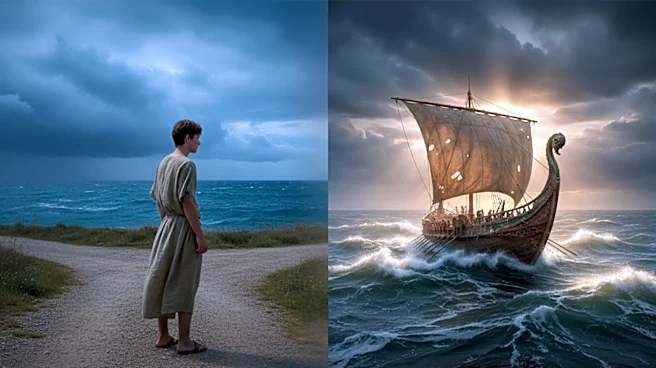
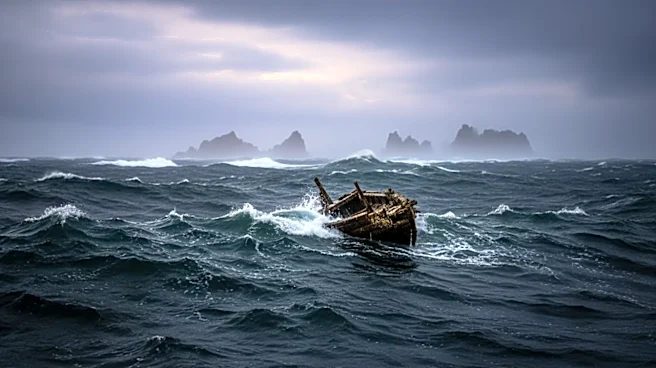
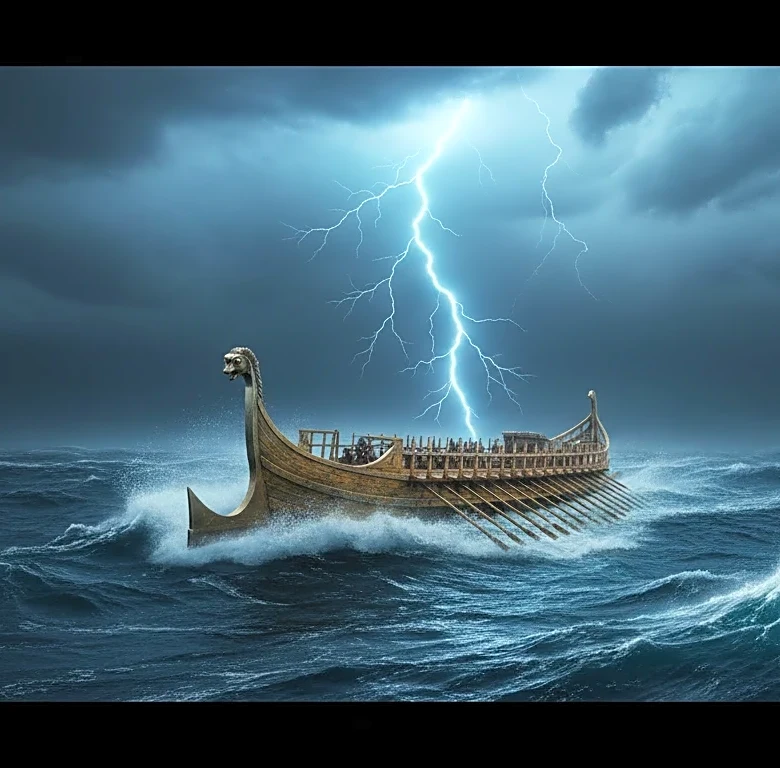
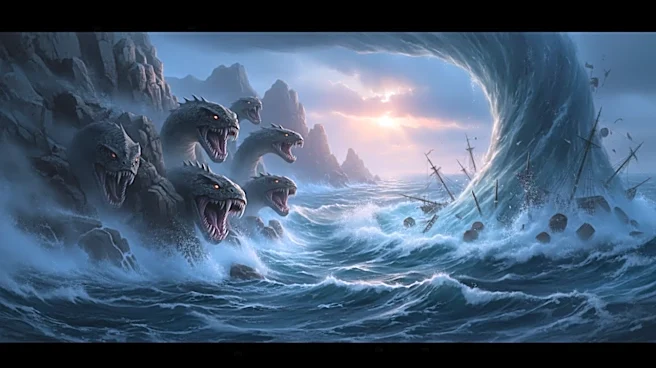
The single biggest obstacle between Odysseus and his home in Ithaca was the sea itself, or rather, its ruler. Poseidon, the god of the sea, held a powerful grudge against the Greek hero. The conflict began when Odysseus and his men, trapped in the cave
of the Cyclops Polyphemus, blinded the one-eyed giant to escape. The problem? Polyphemus was Poseidon’s son. After escaping, Odysseus couldn't resist a moment of hubris. He taunted the wounded giant, revealing his true name and ensuring the Cyclops knew exactly who to blame. Polyphemus then prayed to his father for vengeance, asking that Odysseus either never return home or do so only after years of suffering and losing all his men. Poseidon obliged, turning the sea into a near-insurmountable enemy, sending storms and monsters to thwart Odysseus at every turn. While other gods, like Athena, actively helped Odysseus, Poseidon's rage was the primary divine force prolonging his journey.
The Hero Was His Own Worst Enemy
While it's easy to blame the gods, Odysseus was often the architect of his own delays. His defining trait was his cleverness, but his fatal flaw was his immense pride, or hubris. The decision to reveal his name to the Cyclops was a classic example—a clever escape ruined by a need for glory. This act alone turned a potential straight shot home into a decade-long nightmare. His curiosity also led to trouble, like his insistence on waiting in the Cyclops's cave in the first place, hoping for a gift. Furthermore, his leadership had its limits. When the wind god Aeolus gave him a bag containing all the winds to guarantee a safe passage, his crew, driven by suspicion and greed, opened it while Odysseus slept, blowing them far off course. These moments show a man whose own human failings were just as formidable as any monster.
Distractions, Temptations, and Captivity
Much of the ten-year journey wasn't spent actively sailing. A huge portion of the time was spent stuck on islands. In fact, Odysseus spent seven years as a captive of the nymph Calypso, who had fallen in love with him and offered him immortality to stay. Before that, he spent a full year with the sorceress Circe, who turned his men into pigs before becoming his lover and advisor. Together, these two affairs account for eight of the ten years. These weren't just random encounters; they were tests of Odysseus's will and his desire for nostos, the Greek concept of homecoming. Even shorter stops, like the land of the Lotus-Eaters, presented the temptation to forget home and abandon the struggle. The journey wasn't just a physical one; it was a constant battle against the temptation to give up and forget his purpose.
The Journey Itself Was the Point
From a storytelling perspective, the journey had to be long and arduous. Homer’s Odyssey isn't just an adventure story; it’s an exploration of themes like perseverance, identity, loyalty, and the meaning of home. The ten years of hardship were necessary to transform Odysseus from the arrogant warrior of Troy into the wise, patient king who could reclaim his household. His suffering stripped him of his pride and his crew, forcing him to rely on his wits alone. This long, difficult homecoming is contrasted with that of Agamemnon, another Greek hero who returned from Troy quickly only to be murdered by his wife. Odysseus's trials, from the underworld to the Sirens' call, were a narrative crucible. They weren't just obstacles; they were essential parts of an epic journey of self-discovery that has resonated with audiences for millennia precisely because it is so difficult.