



The Post-Credits Craving
For anyone who grew up in the 80s and 90s, the summer blockbuster was more than a movie; it was a cultural event that dominated the season. Films like 'E.T. the Extra-Terrestrial' (1982), 'Ghostbusters' (1984), and 'Jurassic Park' (1993) weren't just
watched, they were absorbed into the fabric of daily life. They fueled playground conversations, inspired Halloween costumes, and created a powerful, shared experience. But the two-hour thrill in a dark, air-conditioned theater created an immediate desire for more. You left wanting to relive the magic, catch the details you missed, and bring that larger-than-life world into your home. This craving, however, couldn't be instantly satisfied. In the age before streaming, the journey from the big screen to your television was a long and patient one.
The Agony and Ecstasy of the Wait
Today, a movie might appear on a streaming service weeks after its theatrical run. Back then, the "theatrical window" was a chasm. It could take six months, a year, or even longer for a blockbuster to be released on VHS. This delay was a calculated business strategy to maximize revenue from theaters before opening up the home video market. For audiences, this created a period of intense anticipation. The wait made the eventual home release feel like a second premiere. It also set the stage for the video rental store to become the next chapter in a movie's life. The family didn't just want to rent 'Batman' (1989) six months later; they wanted to chase the feeling that film gave them.
The Video Store as the Second Act
The trip to a Blockbuster or your local mom-and-pop video shop was the perfect sequel to a summer movie experience. It was about more than just finding that one specific film. If you loved 'Raiders of the Lost Ark,' the video store was where you could discover the old serials that inspired it. If 'Star Wars' captured your imagination, you could rent other sci-fi classics while waiting for the official VHS release. The video store became a hub of discovery, a place where employees who loved movies could offer recommendations. It was a physical space for a digital medium, where browsing the aisles was a crucial part of the cinematic experience itself. It transformed passive viewing into an active, curatorial hunt.
A Ritual of Browsing and Negotiation
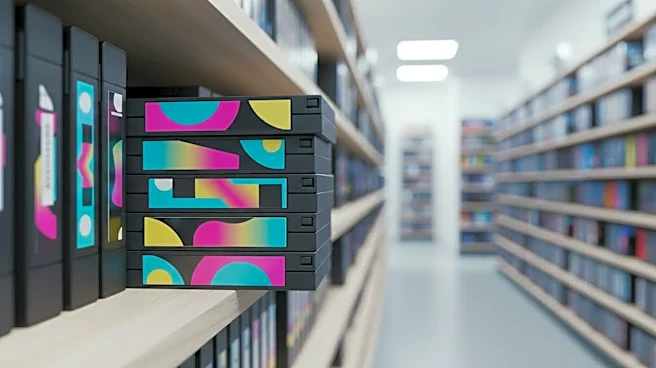
The experience was a ritual. There was the familiar scent of plastic VHS cases and popcorn, the satisfying clunk of a tape in its clamshell. The "New Releases" wall was the main attraction, a gallery of possibilities. Finding the movie you wanted in stock was a small victory. Finding it rented out was a familiar pang of disappointment, leading to family negotiations over the second or third choice. It was a communal activity. Siblings would debate, parents would veto, and a consensus would eventually be reached. This process—the browsing, the debating, the final selection, grabbing a box of candy at the counter—was an integral part of what made movie night an event. It was a shared social experience, not just a transaction.
What We Lost in the On-Demand World
The shift to on-demand streaming was swift and decisive, ultimately leading to the demise of the video rental industry. The convenience is undeniable; a library of thousands of films is available at the press of a button. Yet, something was lost in the transition. We traded the ritual for efficiency, the communal hunt for a solitary scroll. The video store wasn't just a store; it was a cultural hub, a physical manifestation of a community's love for movies. It provided a tangible connection to the films we loved, a place where the experience extended beyond the screen and became a cherished memory in its own right.