



The Un-Trendy Staple
Forget the frantic cycle of skinny, baggy, and straight-leg jeans that have dominated runways for the past two decades. The bootcut jean operates on a different timeline. It’s a choice, not a mandate. Wearing a bootcut isn’t about chasing a trend; it’s
about understanding proportion, function, and a certain kind of understated confidence. Its greatest strength is its refusal to scream for attention. While other styles have had their dramatic peaks and valleys, the bootcut has remained a consistent presence, favored by those who value longevity over novelty. It represents a style that is bought with intention and worn with ease, a core tenet of the well-dressed American who prizes practicality and a classic look over chasing the latest craze. Recent trend reports confirm its resurgence for 2026, but for its loyalists, it never really went away.
From Sailors to Cowboys to Rock Stars
The bootcut’s DNA is woven from some of America’s most defining archetypes. Its story begins not on a runway, but on the deck of a ship. Flared trousers were first worn by sailors in the 19th century for a purely practical reason: they could be easily rolled up. This functional design was later adopted by cowboys and ranch workers who needed jeans that fit comfortably over their work boots. Hollywood westerns then seared this image into the national consciousness, cementing the bootcut as a symbol of rugged American individualism. By the 1960s and 70s, the silhouette was reinterpreted by the counter-culture. Rock stars and artists embraced the subtle flare as a more wearable alternative to dramatic bell-bottoms, lending it an air of quiet rebellion and effortless cool. This journey from workwear to cultural symbol is what gives the bootcut its unique depth; it carries a history of both hard work and iconoclastic cool.
The Subtle Art of the Silhouette
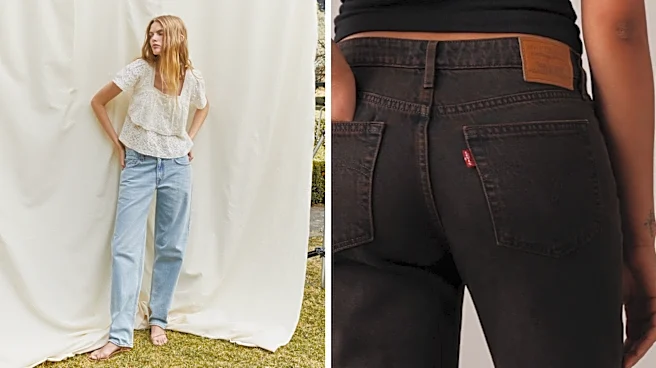
From a purely aesthetic standpoint, the bootcut is a masterclass in balance. Unlike a straight or skinny leg that can create a severe, unbroken line, the gentle flare from the knee downward provides a crucial counterweight. This subtle kick balances the hips and elongates the leg, creating a silhouette that is almost universally flattering. It’s this anatomical intelligence that has ensured its survival, even during the peak of the skinny jean era. The name itself defines its primary function: it is designed to perfectly accommodate a boot, whether a Western boot, a Chelsea boot, or a heeled bootie. This prevents the awkward bunching of fabric that happens with narrower styles and creates a clean, unbroken line from thigh to floor. The modern iteration often features a higher rise and a more subtle flare, sometimes called a "mini bootcut," making it a refined and easy way to participate in the current preference for wider-leg styles without committing to an extreme shape.
A Modern Mark of Confidence
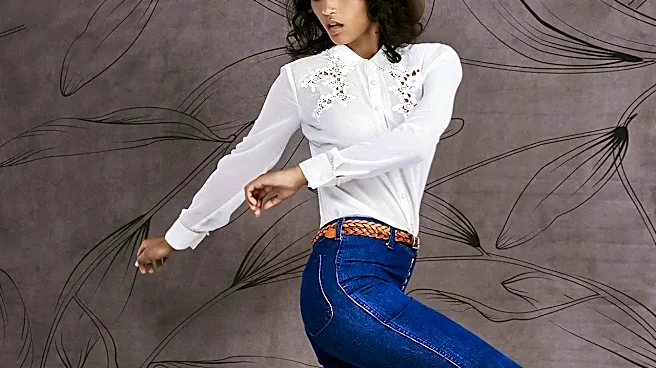
Today, wearing a bootcut jean feels like a deliberate, self-assured style choice. In an era moving away from the dominance of ultra-baggy and skinny fits, the bootcut offers a structured, refined alternative. It’s not a retro piece worn for novelty; it is a versatile foundation for a modern wardrobe. For a casual look, it pairs perfectly with a simple t-shirt and sneakers. For a more polished ensemble, a dark-wash bootcut with a tucked-in blouse or a blazer creates a look that is both professional and effortlessly chic. The key to wearing it now is to focus on fit and proportion: a clean, full-length hem that grazes the top of your shoe is essential for achieving that long, lean line. Choosing a bootcut jean signals you’re not a slave to the trend cycle. It says you understand what works for you and you value a silhouette with history, function, and enduring style.