
A Revolution in Doc Martens
In 1991, Jane's Addiction frontman Perry Farrell envisioned Lollapalooza as a farewell tour for his band and a traveling circus for the weird and wonderful. It was a direct reaction against the glossy excess of the '80s. The early lineups were a glossary
of Gen X angst and aggression: Nine Inch Nails, Soundgarden, Pearl Jam, Ice-T, and Rage Against the Machine graced the stage. This wasn't just a concert; it was a cultural movement that brought a mix of alternative rock, punk, industrial, and hip-hop to cities across America. It provided a platform for political activism and counter-culture art, defining itself by what it wasn't: mainstream, polished, or predictable. For a few years, Lollapalooza was the undisputed epicenter of cool, a place where being an outsider was the whole point.
The Chicago Pivot
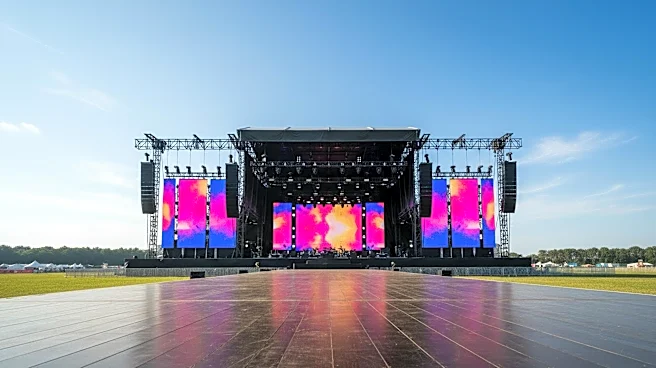
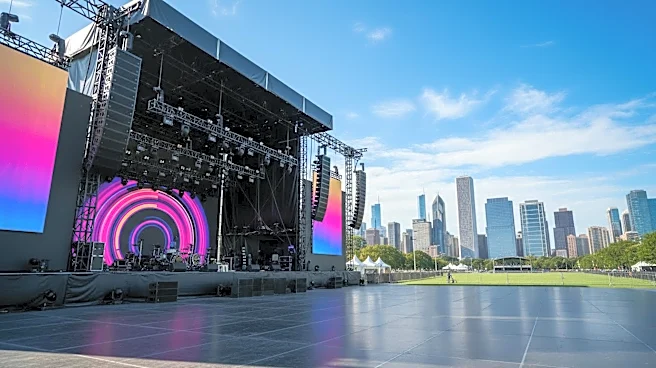
By the late '90s, the alternative rock wave that Lollapalooza rode to prominence had crested and crashed. The festival struggled with its identity, even booking Metallica in 1996, a move that upset many loyal fans. After a hiatus, Lollapalooza was reborn in 2005, but with a crucial change: it was no longer a traveling tour. It settled permanently in Chicago's Grant Park. This logistical shift had a massive cultural impact. The festival transformed from a rebellious roadshow into a destination event, a stable fixture on the summer calendar. This new model opened the door for massive sponsorship deals, VIP experiences, and a much broader, more commercial appeal. The focus moved from capturing a nomadic, national moment to creating an immersive, multi-day urban experience.
The Mainstream Comes Knocking
With a permanent home and a new business model, Lollapalooza's definition of "alternative" began to expand dramatically. Electronic acts like Daft Punk delivered legendary sets, legitimizing EDM as a festival headliner. Pop acts, once unthinkable on a Lolla main stage, started appearing. A pre-superstardom Lady Gaga played a side stage, and by 2010, she was a headliner. This signaled a major shift. The festival was no longer just for rock acts; it was becoming a barometer for all of popular music. Headliners soon included artists like The Weeknd, Ariana Grande, and Childish Gambino. The festival's bookings reflected the changing tastes of a younger demographic who grew up without rigid genre boundaries. Lollapalooza’s lineup became a mirror of the streaming era: eclectic, playlist-driven, and pop-friendly.
Selling Credibility by the Ticket
This brings us to the modern era, where the festival has perfected its formula. Today's pop stars don't just want to be famous; they want to be seen as authentic and edgy. Lollapalooza, with its roots in '90s credibility, offers the perfect stage for this. An artist like Billie Eilish is the ultimate synthesis of this evolution. She became a headliner just a few years after drawing a massive crowd to a small side stage as a teen. Her aesthetic—baggy clothes, moody introspection, and a touch of goth—is pulled directly from the '90s alternative playbook, yet her music dominates the pop charts. When she headlines, sometimes with a stage partially powered by a solar farm to promote sustainability, she’s not just performing; she’s leveraging the festival's historical cool to cement her own brand of boundary-pushing pop stardom. The festival gives pop acts a veneer of the alternative credibility it once championed.