


The Silhouette We've Lost
Imagine a dress that doesn't command attention with volume or vibrant pattern, but with the subtle poetry of its movement. This is the magic of the 1930s bias-cut gown. Unlike modern formalwear, which often relies on darts, seams, and structured fabrics
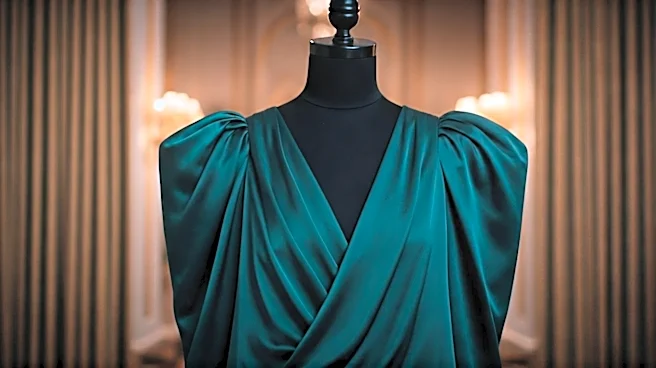
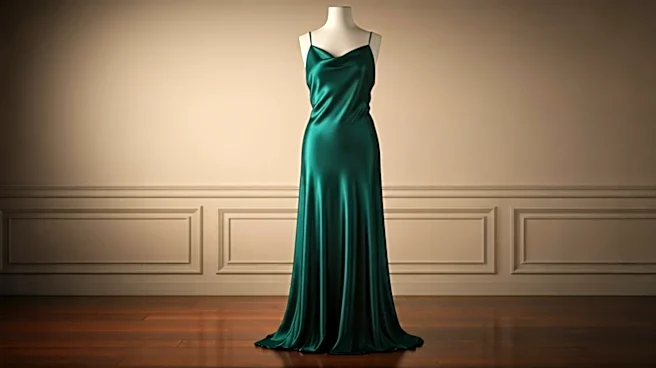
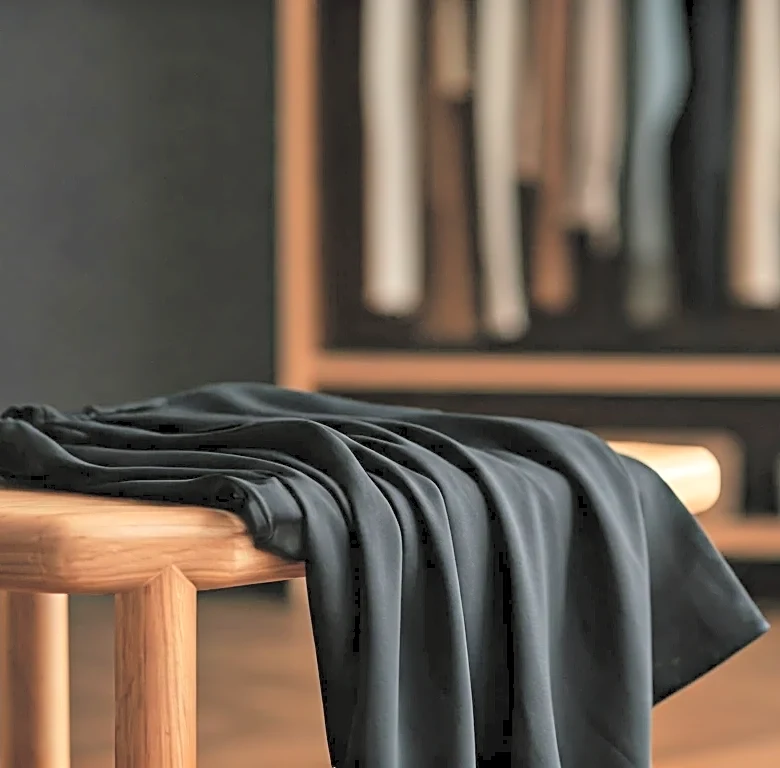
to create a shape, the bias cut was a marvel of fabric engineering. By cutting the cloth—typically silk, satin, or crepe—on a 45-degree angle to its weave, designers created a garment with a natural, fluid elasticity. The result was a dress that skimmed and clung to the body's curves not through tightness, but through its own weight and drape. It created a long, liquid line that was the very picture of languid elegance, moving with the wearer like a second skin.
A Revolution in Silk and Satin
This silhouette didn't just appear out of nowhere; it was a quiet revolution. Coming after the boyish, drop-waisted flapper dresses of the Roaring Twenties, the 1930s celebrated a return to a more natural, albeit idealized, female form. French couturière Madeleine Vionnet is credited as the master of the bias cut, creating gowns that were often shockingly simple in their construction but breathtakingly complex in their effect. In an era between the post-war exuberance of the '20s and the looming austerity of the '40s, this style represented a sophisticated, grown-up glamour. It was the dress of Hollywood screen sirens like Jean Harlow and Carole Lombard—women who exuded confidence and sensuality without shouting about it. The style was confident, understated, and utterly modern for its time.
The Modern Ascot Uniform
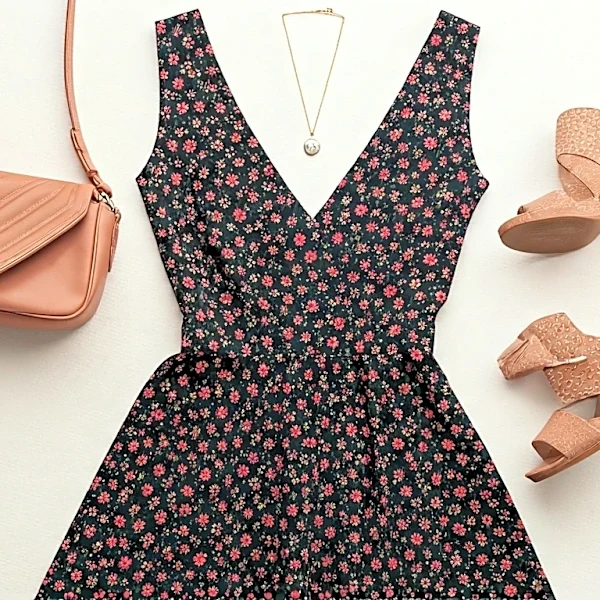
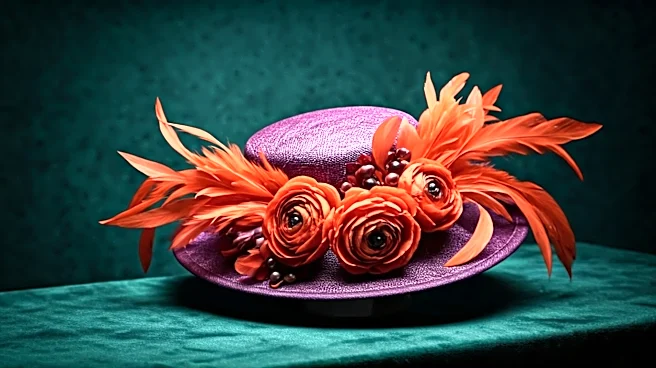
Fast-forward to today's Royal Enclosure. The unofficial uniform is often a brightly colored floral midi-dress, a structured sheath, or a neatly tailored A-line number, topped with an elaborate fascinator or hat. It's beautiful, appropriate, and adheres perfectly to the famously specific dress code (straps of a certain width, hemlines of a certain length). Yet, it can also feel a bit static. The emphasis is on sharp silhouettes, bold prints, and architectural headwear. There's an admirable precision to it all, but it sometimes lacks a sense of softness, ease, and pure, unadulterated grace. The current fashion, while lovely, is often about wearing a 'look'; the 1930s silhouette was about becoming a vision in motion.
Why the Thirties Shape Is Perfect for Today
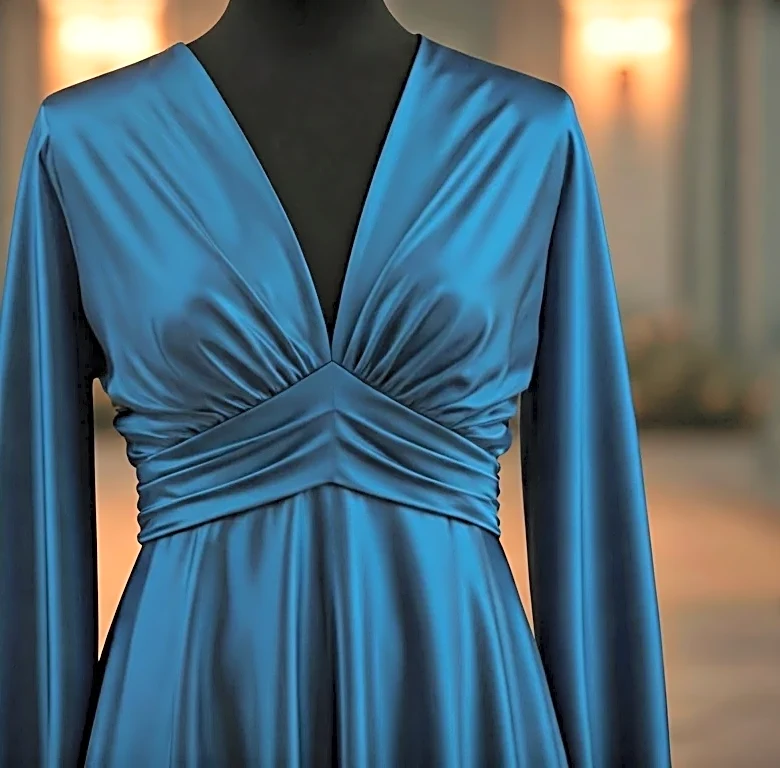
This is precisely why the bias-cut dress deserves a grand comeback at Ascot. It meets all the formal requirements—it’s inherently modest in its coverage, often featuring higher necklines or elegant cowl necks to balance the body-skimming shape. It's the perfect canvas for a spectacular hat, providing a sleek column of elegance that doesn't compete with headwear. More importantly, it offers a different kind of power. In a sea of stiff fabrics and constructed shapes, a dress that moves and flows with liquid grace would be a showstopper. It speaks of confidence and a quiet appreciation for craftsmanship. It’s a nod to a golden age of glamour that feels refreshingly different from the high-volume, high-color trends that dominate the modern formalwear landscape. It’s less about being seen and more about being remembered.