



An Audience Primed for Art
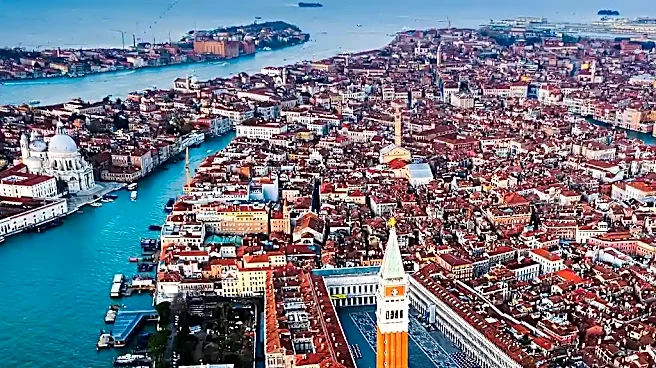
First, consider who makes the pilgrimage to the Venice Lido. This isn't your weekend multiplex crowd looking for a casual escape. The attendees are a self-selecting group of industry insiders, journalists, critics, and deeply committed cinephiles. Many
have traveled thousands of miles, not just to see movies, but to engage with cinema as a high art form. For this audience, a long runtime isn’t a bug; it’s often a feature. It signals a director's ambition and an unwillingness to compromise their vision for commercial comfort. They arrive with an intellectual and emotional readiness, prepared to invest themselves in a challenging work. This crowd views a film premiere as a major cultural event, not just passive entertainment, and they come equipped with the patience and context to appreciate a sprawling narrative.
The Cathedral of Cinema Effect
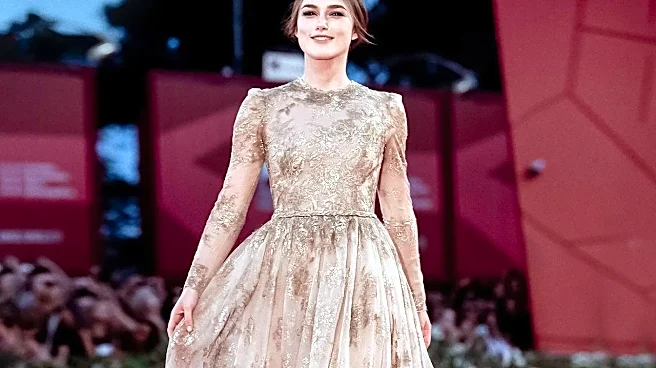
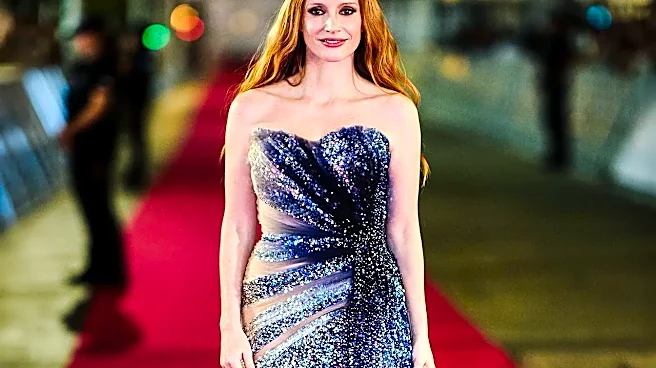
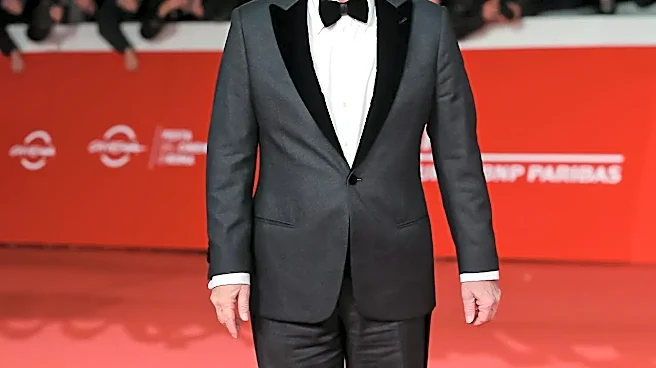
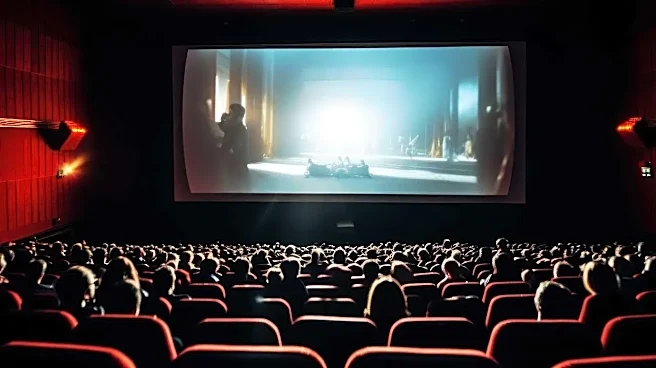
The environment of a major film festival is deliberately designed to command reverence. From the grandeur of the historic Sala Grande to the palpable buzz on the red carpet, everything communicates a sense of occasion. This is what can be called the “cathedral of cinema” effect. When you remove people from their daily lives—away from phones, chores, and endless distractions—and place them in a space dedicated solely to the worship of film, their capacity for deep focus expands. It’s an immersive, communal experience where the outside world melts away. Research on mass gatherings, like music festivals, shows that shared emotional events can lead to a state of “collective effervescence,” where individual focus merges with the energy of the group, creating a powerful, shared attentiveness. You’re not just watching a movie; you’re participating in a sacred rite.
The Auteur's Promise
The long films that premiere at Venice are rarely bloated blockbusters. More often, they are the passion projects of world-renowned auteurs—directors like Martin McDonagh or past masters who have built up decades of trust with their audience. When a celebrated filmmaker delivers a three-hour epic, the runtime is interpreted as a necessary component of their artistic statement. The audience grants them the benefit of the doubt, trusting that every minute serves the story, character development, and thematic depth. This dynamic creates a pact between the creator and the viewer. The director promises an uncompromising vision, and the audience promises their undivided attention. The festival premiere, often with the director and cast present, reinforces this pact. The applause that follows is as much for the audacity of the effort as it is for the film itself.
More Than a Movie, It's an Event
Watching a major premiere at Venice is an event from start to finish. The anticipation begins long before the lights go down, fueled by industry buzz and the glamour of the red carpet. The screening itself is punctuated by a unique ritual: the standing ovation. While sometimes criticized as obligatory, these lengthy ovations are a physical manifestation of the audience's engagement. They are a way to honor the artists in the room and to collectively process the experience they just shared. The duration, whether it's five minutes or a record-setting twenty, becomes part of the film’s story. This ritual transforms the act of watching into an active, participatory event. It cements the film in memory not just as a piece of media consumed, but as a moment lived, shared, and celebrated within a community.