



Texture Breaks the Monotony
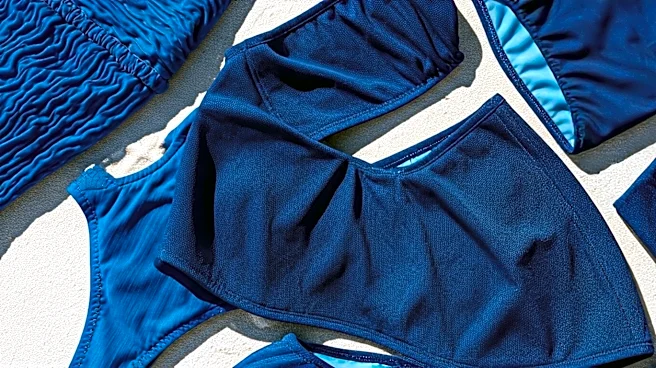
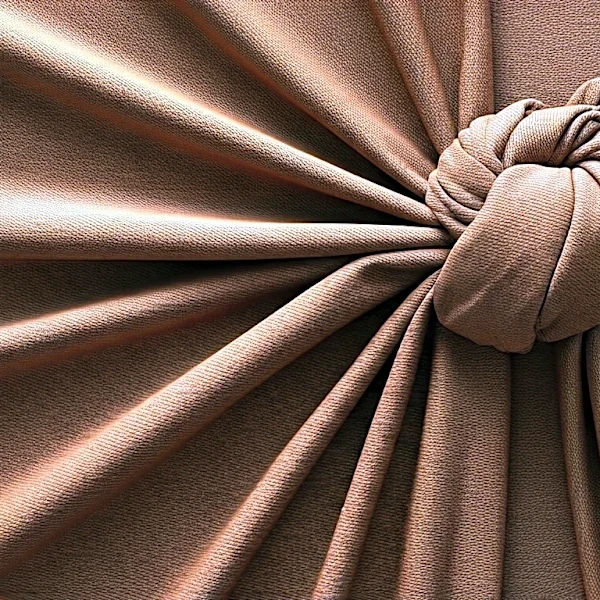
The single most effective tool for reinventing a classic color is texture. A flat, single-tone blue can feel dated, like a holdover from a 90s resort catalog. But render that same cobalt in a modern, tactile fabric, and it becomes instantly new. Brands
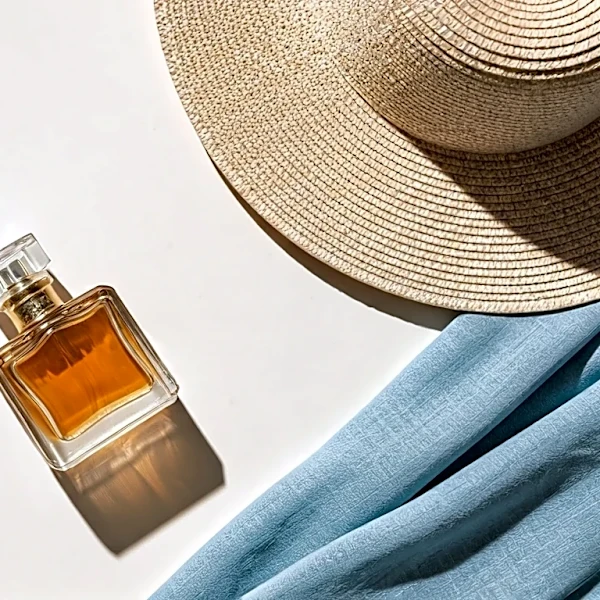
like Hunza G have built an empire on this principle. Their signature crinkle-stretch fabric transforms a simple blue one-piece or bikini into a piece of sculpture. The puckered texture catches light and shadow, creating a dynamic surface that feels both visually interesting and incredibly flattering. The color is no longer a flat plane but a landscape of tiny peaks and valleys. Similarly, ribbed materials, velvety terrycloth, and subtle jacquard patterns all serve the same purpose: they give the eye something to explore, preventing the blue from feeling one-note.
Silhouette Becomes the Story
When a color is this familiar, the silhouette has to work harder. Predictable blue is often paired with a predictable cut—a standard triangle top, a basic brief. To make it feel fresh, designers are leaning into architectural and unconventional shapes. Think of a minimalist bandeau top paired with a high-waisted, high-cut bottom in a sharp electric blue. The color provides the classic appeal, while the dramatic lines of the suit feel distinctly modern. We're seeing this with asymmetrical one-pieces featuring daring cut-outs, tops with exaggerated ties that wrap around the torso, and bottoms with delicate, strappy details. By using a bold, recognizable color as the canvas, designers can push boundaries with the cut, knowing the familiar hue will keep the piece grounded and wearable.
The Art of the Specific Hue
Not all blues are created equal. The difference between a swimsuit that looks generic and one that feels like a deliberate design choice often comes down to the precise shade. There's a world of difference between a standard royal blue and a carefully selected Yves Klein Blue. The latter, an intense, patented ultramarine, carries with it a legacy of art and rebellion. Brands that use it are making a statement. Likewise, the rise of cerulean, a softer, sky-like blue, offers a more serene and sophisticated alternative to its punchier cousins. Designers are becoming color connoisseurs, selecting specific blues that evoke a mood—energetic cobalt for a sporty look, deep navy-adjacent indigo for a touch of elegance, or a vibrant turquoise-leaning blue for pure, unadulterated fun. This specificity signals intention and elevates the garment beyond a simple piece of colored fabric.
Strategic Color Blocking and Details
Sometimes the best way to make a color shine is to give it a friend. Strategic color blocking allows blue to be the star without carrying the entire show. A sliver of crisp white trim on a navy bikini, for instance, evokes a timeless nautical feel. A block of neon orange or hot pink alongside a royal blue creates an exciting, high-contrast clash that feels energetic and youthful. Brands like Solid & Striped perfected this by pairing classic colors in unexpected combinations. Beyond blocking, small details make a huge impact. Think of the recent trend of adding tortoiseshell or resin rings and buckles to swimwear. A simple blue bandeau is completely transformed by a circular resin link in the center. Gold or silver hardware, contrasting stitching, or even a subtle embroidered logo can provide the focal point needed to break up the expanse of blue and make the entire piece feel more considered.