





More Than a Dress, It's Architecture
Forget what you think you know about corsets from period dramas. On the modern red carpet, the corset isn’t just an undergarment; it’s the foundational blueprint of the entire gown. Designers like Mugler, Schiaparelli, and Vivienne Westwood have built
their legacies on structural bodices that sculpt the human form into an almost otherworldly silhouette. These gowns don't just hang on the body; they are custom-built systems designed to support, shape, and create a flawless line. What appears as a seamless, painted-on look is often the result of an intricate internal structure that works like architectural scaffolding, holding everything perfectly in place from the first photo to the last after-party.
The Anatomy of a Corseted Gown
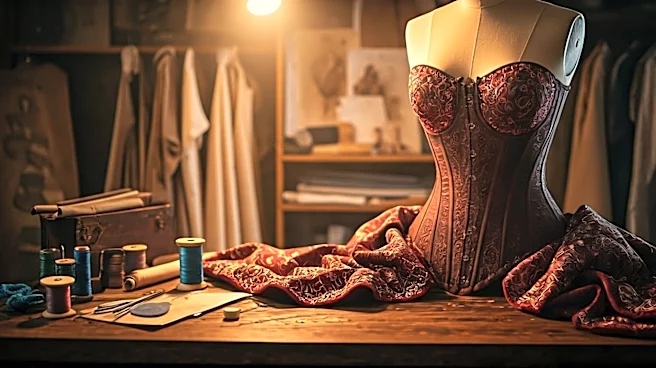
The process begins long before the red carpet is rolled out, often with a 3D body scan or a plaster cast of the celebrity’s torso. This creates a perfect mannequin—a unique dress form that allows the atelier to build the garment with millimeter-level precision. From there, couturiers draft the pattern. The magic lies in the panels. A high-quality corset isn't one piece of fabric; it's a series of meticulously shaped panels, often between 12 and 24, sewn together. Each seam is a point of structural integrity. The fabric itself is crucial. A strong, non-stretch coutil is the traditional choice for the inner layer, providing the necessary strength to withstand the tension of lacing without warping or tearing. The glamorous exterior—be it silk, velvet, or crystal-encrusted fabric—is merely the beautiful facade built upon this powerful foundation.
Boning: The Skeleton of the Silhouette
The rigid, sculptural quality of a corseted gown comes from its “bones.” These are the firm strips of material inserted into channels along the seams. Historically, this was whalebone (which was actually baleen). Today, designers use a variety of materials depending on the desired effect. Flat steel boning, often called “flats,” provides rigid support and is typically used at the front and back to keep the torso straight and flat. For the sides, where the body needs to curve and move, designers use spiral steel boning. Made of flattened steel coils, it’s incredibly strong but flexible, allowing the wearer to bend and sit without being constricted. For lighter, more contemporary pieces, synthetic plastic or “rigilene” boning is sometimes used, offering structure with more comfort and less weight.
The Final Fitting: A Team Effort
Creating the gown is only half the battle. Making it work on a real, moving person is another challenge altogether. The final fittings are a high-stakes collaboration between the designer, the celebrity, and their stylist. This is where the lacing technique is perfected—a process that can take up to 30 minutes to do correctly, gradually tightening the laces to mold the garment to the body without causing discomfort or restricting breathing too much. It's a delicate balance. The team also ensures the gown can withstand the practicalities of an awards show: sitting through a three-hour ceremony, navigating crowds, and posing for hundreds of cameras. Every detail, from hidden zippers to the placement of a modesty panel, is obsessed over to ensure the final look is one of effortless perfection, hiding all the complex craftsmanship that made it possible.