
The Nostalgia Headliners
Walk through downtown Nashville during the festival, and you’ll hear it: the unmistakable sound of 90s country. Artists who were once the new kids on the block are now the genre’s revered elder statespeople. Think Wynonna Judd belting out a classic, Terri
Clark running through her hits, or even a surprise appearance from a legend like Randy Travis. For a significant portion of the CMA Fest audience, these are not just opening acts; they are the reason for the pilgrimage. Their presence serves as an anchor, a reminder of the bedrock storytelling and twang that defined country music for decades. They represent the “C” in CMA for traditionalists. The festival strategically places these acts on various stages, ensuring that fans who came for the fiddles and steel guitars feel seen. But their role has subtly shifted from chart-toppers to curators of a beloved museum, preserving the sound that some fear is fading.
The Stadium-Sized New Guard
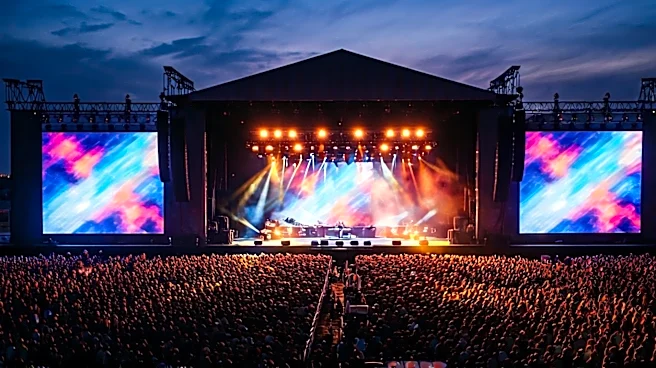
On the other side of the generational divide are the titans of today’s country. These are the artists who sell out the massive Nissan Stadium every night of the festival: Luke Combs, Morgan Wallen, Lainey Wilson. Their sound is different—it’s bigger, glossier, and often infused with elements of rock, pop, and even hip-hop. They built their kingdoms not just on radio play, but on Spotify streams, viral TikTok sounds, and a direct, unvarnished connection with a younger fan base. When a stadium of 60,000 people roars along to a Wallen anthem, the debate over authenticity seems almost irrelevant. For this new generation of fans, this *is* country music. The tension arises when their sound, aesthetic, and lyrical themes—often more focused on stadium-sized partying than front-porch philosophizing—clash with the expectations of the old guard. They are the commercial engine of the festival, and their dominance is undeniable.
The Genre-Bending Wild Cards
If the legacy acts and the new superstars represent two poles, the most interesting friction happens in the middle with the genre-benders. This is where you find the true chaos agents of modern country. Take Jelly Roll, a hometown hero whose blend of rap, rock, and raw country confessionals has made him one of music’s biggest stars. Or consider Post Malone, a pop-rap megastar, showing up to play country covers and being met with roaring approval. These artists challenge the very definition of the genre. Their inclusion on the CMA Fest lineup is both a savvy business move and a statement of intent. It tells the world that the genre's borders are more porous than ever. For every traditionalist who scoffs, there are thousands of new fans who feel welcomed into the country tent for the first time. These wild cards are the leading edge of the genre’s evolution, forcing everyone to ask: what does “country” even mean in the 2020s?
Nashville's Impossible Balancing Act
Ultimately, the CMA Fest lineup isn’t a mistake or a mess; it’s a mirror. It reflects a genre that is actively, and sometimes awkwardly, negotiating its past, present, and future in public. The Country Music Association has a monumental task: create a four-day event that satisfies the 70-year-old who owns every George Strait album, the 40-year-old who grew up on Shania Twain, and the 20-year-old who discovered country music through a viral dance challenge. It’s an impossible balancing act. The festival has to be a homecoming for its most loyal fans and an accessible entry point for newcomers. It must honor its history without becoming a relic. This inherent tension is what makes the festival so dynamic. It’s not just a concert series; it’s a live-action debate about the soul of American music, played out with banjo and bass drops.