




5. The Feel-Good Underdog Run
Everyone loves an underdog. Whether it was Costa Rica's stunning quarter-final run in 2014 or Morocco's historic semifinal appearance in 2022, these narratives are pure narrative catnip. They offer a simple, powerful story: a smaller nation, underestimated
and overlooked, defying the odds through sheer will and teamwork. These stories are shareable, inspiring, and make for incredible highlight reels. They tap into a universal desire to see the little guy win. So why aren't they higher on the list? Their click potential is often a slow burn, building with each surprise victory. And once the dream ends, the online conversation moves on almost immediately. It's a beautiful, but often fleeting, engagement driver.
4. The Tactical Deep Dive
This is for the purists. Articles, videos, and Twitter threads breaking down a team's revolutionary 4-3-3 formation, a manager's brilliant halftime adjustment, or the subtle genius of a holding midfielder are a crucial part of the World Cup ecosystem. They cater to a smaller, but intensely dedicated, segment of the audience—the fans who watch not just for goals, but for pressing schemes and positional rotations. The click potential here is highly concentrated. These pieces won't go as viral as a superstar's off-field drama, but they build loyalty and authority. They signal to the serious fan that a publication 'gets it.' In a crowded media landscape, serving this niche with high-quality analysis is a smart, long-term play, even if it doesn't top the daily traffic charts.
3. The Geopolitical Subplot
The World Cup isn't played in a vacuum. It’s a stage where national identity, historical rivalries, and political tensions play out in front of a global audience. Think of the intense focus on the U.S. vs. Iran match in 2022, drenched in decades of diplomatic history. Or consider the endless commentary about host nations, from controversies over human rights in Qatar to protests in Brazil. These stories transcend the sports page, pulling in readers who might not care about soccer but are fascinated by international relations, culture, and politics. They provide a deeper layer of meaning to a 90-minute game, turning a sporting contest into a proxy for something much bigger. This is where the World Cup becomes front-page news, not just sports news.
2. The Off-Field Scandal or Controversy
Human beings are hardwired for drama, and nothing delivers it quite like a good scandal. From player disputes and training ground bust-ups to bombshell accusations and refereeing controversies, these stories are digital wildfire. Remember the French team's implosion and strike in 2010? Or the endless debate around a single controversial VAR decision? These narratives are irresistible because they are messy, emotional, and intensely human. They create villains, heroes, and victims, sparking endless debate and speculation. The content loop is powerful: the initial event, the instant reaction, the formal statements, the blame game, and the lingering consequences. It’s a traffic-driving engine that can dominate a news cycle for days, far outpacing the game itself.
1. The Superstar's Quest
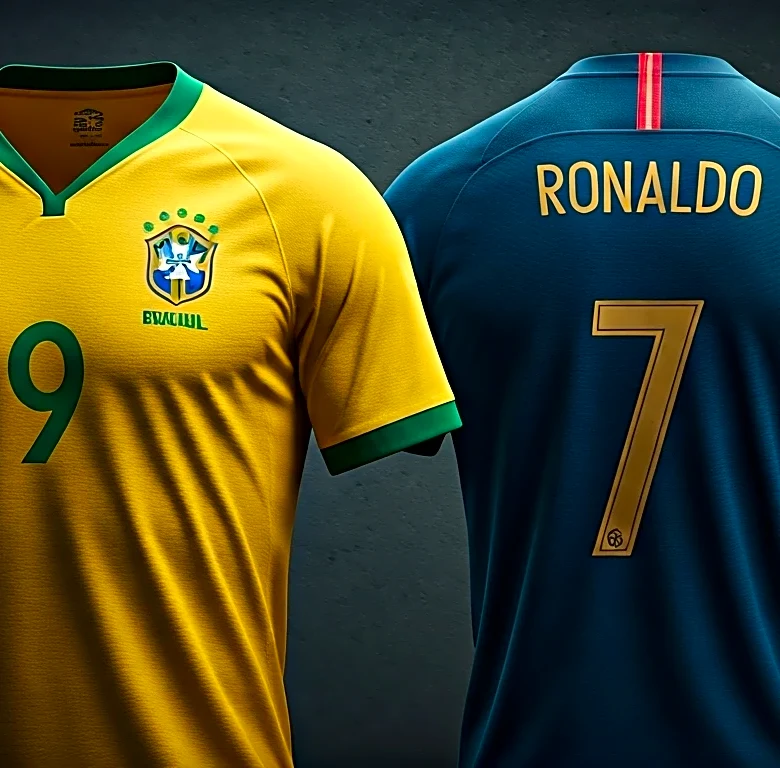
Everything else is just background noise. The single most powerful, clickable, and enduring narrative engine in any World Cup is the story of a global superstar on a quest for glory. For over a decade, the narrative was Messi vs. Ronaldo: two titans chasing the one trophy that had eluded them. In 2022, Lionel Messi's journey to finally capture the World Cup for Argentina wasn't just a sports story; it was a global event, a real-life movie playing out in real-time. Every goal, every assist, every pained expression was analyzed and amplified. This narrative has it all: a single, identifiable protagonist, immense stakes, a clear goal, and the weight of history. It simplifies the chaos of a 32-team tournament into one man's destiny. The story of a Kylian Mbappé, a Neymar, or a Messi is the ultimate click-driver because it’s the simplest and most epic story sports has to tell.