








The Franchise That Grew Up With Us
From the moment Woody met Buzz in 1995, the Toy Story saga has been more than just a series of kids' movies. For the millennial generation that formed its first audience, it’s been a life companion. We watched Andy grapple with getting a new toy, and
we felt Woody’s jealousy. We packed up our own childhood bedrooms as Andy prepared for college in *Toy Story 3*, wiping away a tear that felt surprisingly real. We watched him pass his beloved toys to Bonnie, a symbolic hand-off that mirrored our own transition into adulthood. The genius of Pixar wasn’t just in making toys talk; it was in making their story our story. The franchise has always been a brilliantly disguised reflection of our own life stages, which is precisely why the rumored direction of *Toy Story 5* feels so potent.
The Ultimate Modern Parenting Anxiety
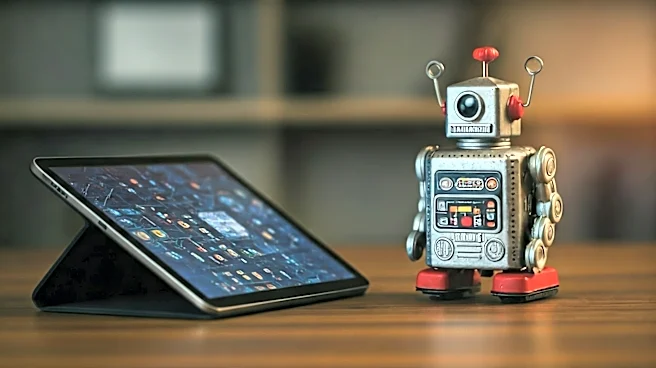
While Disney and Pixar have kept details under wraps, a persistent and logical fan theory has emerged for the fifth installment: What if the toys’ new existential threat isn’t a new toy, but an iPad? What if their struggle for relevance is no longer about competing with a Space Ranger, but with the infinite, mesmerizing glow of a screen? For today's parents, this isn't just a clever plot device; it's a documentary of their daily lives. Screen time is the central, unresolved conflict of modern parenting. It’s a battleground of guilt, negotiation, and anxiety. Am I giving them too much? Is it rotting their brain? Am I using it as a crutch? Every parent who has ever handed over a phone in a restaurant just to get through a meal knows this internal monologue. A *Toy Story* that puts this anxiety front and center would be holding up a mirror that many parents might not be ready to look into.
Woody and Buzz as Our Parental Guilt
Imagine Woody, Buzz, and the gang, sitting untouched in the toy box, watching their kid, Bonnie, scroll endlessly through videos. Their feelings of neglect, confusion, and abandonment would be a perfect allegory for a parent's worst fears. The fear isn't just that your kid loves a tablet more than a toy; it's that they might love a digital world more than the real one you share with them. The toys' desperation to be played with would become a direct proxy for a parent's longing to connect. In this scenario, Woody isn’t just a forgotten toy; he’s the embodiment of every parent who has tried to initiate a board game only to be met with the vacant stare of a child lost in a YouTube short. He’s the personification of our guilt over every time we’ve been too tired to say “no” to just one more show.
A Story for Parents, Not Kids
This is why a screen-time plot would land so differently for parents and children. A child watching this movie would see a straightforward story: the toys are sad because they aren't being played with. It's a simple, relatable conflict. But a parent would see a devastating critique of their own choices. They would feel the weight of every digital compromise they've made. The film would no longer be a fun adventure but a poignant, perhaps even painful, examination of their own role in their child's life. The previous films allowed parents to feel nostalgic for a childhood they left behind. A screen-time-focused *Toy Story 5* would force them to confront the anxieties of the childhood they are currently shaping. It moves the franchise from a shared memory of the past to a direct commentary on the present, and that’s a much more uncomfortable place to be.