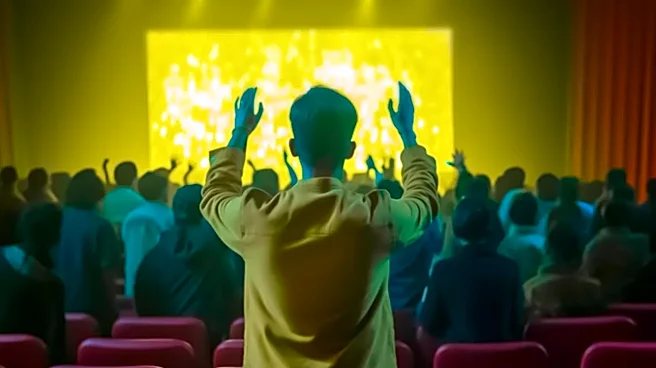


The noise inside New York Comic Con is a force of nature. It’s the sound of 250,000 fans cheering, debating, and celebrating. For Hollywood studios, this roar is a vital resource—and a potential trap. They must learn to translate it, not just obey it.
The Sound from the Javits Center
This past weekend, the Javits Center was once again the nexus of fan culture. Panels for much-anticipated projects like Peacock’s “Crystal Lake” prequel and Marvel’s upcoming slate of animated shows drew massive, passionate crowds. Every cheer for a surprise cast member and every gasp at a new trailer is a data point for the executives in attendance. Studios spend millions on immersive activations and panels precisely to generate and capture this energy. They want to know what resonates. The fans, in turn, feel a sense of ownership, having championed these properties for years. This direct, often visceral feedback loop is unique to events like NYCC, making it a real-time barometer of audience desire.
When Listening Becomes Pandering
The danger lies in misinterpreting that desire. In the age of social media, fan campaigns can feel like mandates, from bringing back canceled shows to demanding specific plot twists. But simply giving the loudest part of the audience exactly what it asks for can lead to a creative dead end. This is the realm of pandering, or what some call bad “fan service”: moments that exist only for a nostalgic wink or a checklist-style reward, often at the expense of coherent storytelling. An out-of-place cameo or a forced romance might generate a brief cheer in the hall or a flurry of excited tweets, but it rarely serves the story in the long run. It turns a narrative into a product assembled by a focus group, draining it of the creator’s vision and the potential for genuine surprise.
Mining Feedback for Emotion, Not Plot
The smartest studios, however, understand the difference between a suggestion and its underlying motivation. They listen for the emotion, not the specific plot point. When fans clamor for a particular character pairing, are they asking for that specific relationship, or are they expressing a desire for more meaningful emotional stakes and character development? When they react strongly to a hero’s moral compromise, are they dictating the plot, or are they signaling an investment in that character's integrity? The reaction to the “Avatar: The Last Airbender” franchise panel was a perfect example. The enduring passion isn't just about seeing familiar characters; it's about a hunger for stories with genuine heart, complex morality, and a sense of earned hope. Studios that recognize this can honor the spirit of fan feedback without being constrained by its literal demands.
The Art of the 'Good' Fan Service
There is, of course, such a thing as fan service done right. It’s the moment that feels both surprising and inevitable, rewarding a longtime fan’s investment without alienating newcomers. Think of Ant-Man riding Hawkeye's arrow in “Captain America: Civil War”—a deep cut for comic readers that works as a cool visual gag for everyone else. Or the way “Top Gun: Maverick” used nostalgia not as a crutch, but as the emotional foundation for a new story. These moments succeed because they are in service of the narrative, not in place of it. They demonstrate that the creators are also fans who understand the material on a granular level. This is the sweet spot: acknowledging the audience's love for a universe while still having the confidence to build something new within it.