





Myth: All Undereye Bags Are the Same
The single biggest mistake is treating all undereye issues as one problem. What you see as a "bag" could be one of several distinct issues, or a combination. The most common causes are puffiness from fluid retention, shadows from hollowness (tear troughs),
and actual bags caused by protruding fat pads. Fluid retention often looks worse in the morning and can be influenced by salt, alcohol, or allergies. Hollowness is a loss of volume between the lower eyelid and the cheek, which creates a shadow that reads as a dark circle. Protruding fat pads are often genetic or age-related; they are pockets of fat that push forward as the skin and muscles weaken, creating a permanent bulge. Each one requires a completely different treatment approach.
Myth: A Good Eye Cream Can Erase Them
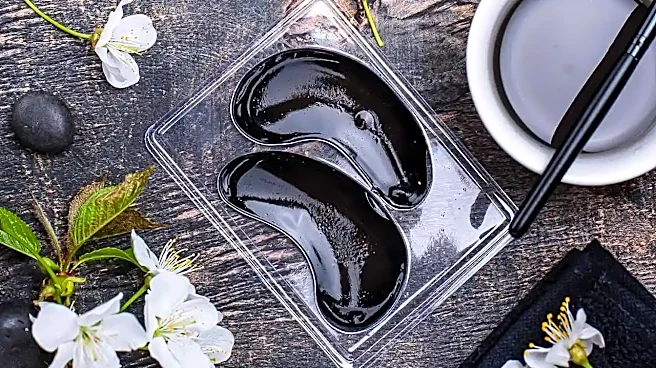
While eye creams feel luxurious, their power is limited. For temporary puffiness caused by dehydration or fluid, a cream with caffeine can help by constricting blood vessels. Hyaluronic acid can plump up fine lines. However, no topical cream can remove or shrink a genetic fat pad or fill a hollow trough where volume has been lost. It’s physically impossible. Creams work on the surface of the skin, while the most prominent bags are caused by structural issues happening beneath it. Think of it this way: you can't moisturize away a hernia, and a true undereye bag is a similar type of structural bulge.
Myth: It’s Just a Lack of Sleep or a Bad Diet
While a salty meal, a few cocktails, or a poor night's sleep can certainly make your eyes look puffy, these are typically temporary contributors to fluid retention. If your bags are a constant feature, even when you’re well-rested and hydrated, genetics are the more likely culprit. Inherited traits can determine the size of your orbital fat pads, the structure of your cheekbones, and when the tissues supporting your eyes begin to weaken. Lifestyle changes can absolutely minimize day-to-day puffiness, but they can't reverse an anatomical predisposition. Many people have prominent bags in their twenties or even their teens for this very reason.
Myth: You Just Need to Cover It with Concealer
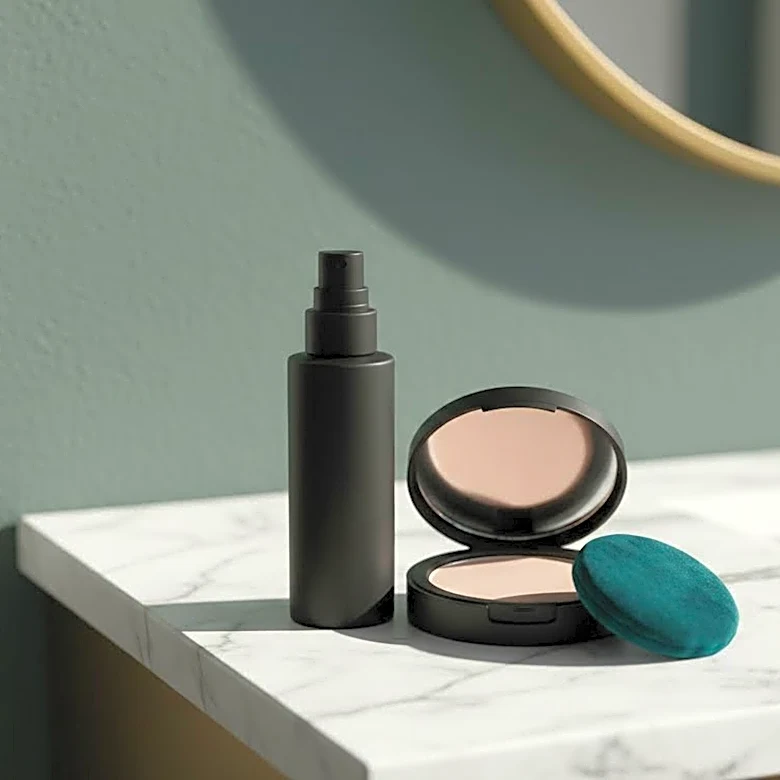
This is a classic blunder that often makes things look worse. Applying a light-colored, thick concealer directly onto a puffy bag is like putting a spotlight on it—it highlights the protrusion. Makeup artists know the real trick is about creating an illusion of flatness. This involves using a color corrector (like a peachy tone) only on the dark, shadowed areas to neutralize them. Then, a lightweight concealer should be applied sparingly, focusing on the hollow or shadow underneath the bag, not on the bag itself. This helps the entire area appear more level and smooth.
Myth: Dermal Fillers Are the Best and Only Real Fix
Fillers can be a game-changer, but only for the right problem. If your issue is hollowness or a sunken tear trough, injecting a hyaluronic acid filler can restore lost volume and smooth the transition from the eye to the cheek, beautifully erasing shadows. However, if your primary issue is a bulging fat pad, adding filler can be a disaster, sometimes making the puffiness look even worse or creating an unnatural sausage-like roll under the eye. For prominent fat pads, the gold-standard solution is often a surgical procedure called a lower blepharoplasty, which removes or repositions the fat. Other professional treatments like laser resurfacing or radiofrequency can help tighten loose skin, which is another cause of undereye texture issues.