

History Is Its Brand Ambassador
Long before Instagram influencers and front-row celebrities, Paris was the epicenter of style. Its authority began in the royal courts and was formalized in 1868 with the creation of the Chambre Syndicale de la Couture. This wasn't just a trade group;
it was the birth of 'haute couture' as a protected, legally defined concept. While New York has commercial might, Milan boasts masterful production, and London champions raw creativity, Paris has something none of them can replicate: heritage. Brands like Dior, Chanel, and Hermès are not just fashion houses; they are cultural institutions deeply woven into the city’s identity. This historical weight gives Parisian luxury an air of authenticity and continuity that money alone can't buy.
The Gatekeepers of the Calendar
Parisian dominance isn't accidental; it's managed. The Fédération de la Haute Couture et de la Mode, the industry's governing body, meticulously curates the official calendar. Getting a spot is the ultimate validation for a designer, a signal to buyers and press that a brand has arrived. The Fédération acts as a powerful gatekeeper, ensuring a high standard of creativity and craftsmanship. This centralized control consolidates influence, making Paris the grand finale of the entire fashion month. It's the week where the most powerful statements are made and the definitive trends are set, forcing the rest of the world to pay attention. Even brands from other countries, like Australia, bring their designers to Paris to gain global legitimacy.
Where the Real Money Resides
Follow the money, and it leads straight to Paris. The city is the headquarters for the world's two largest luxury conglomerates, LVMH (Louis Vuitton Moët Hennessy) and Kering. These giants own a staggering portfolio of the most iconic brands, from Louis Vuitton and Dior (LVMH) to Gucci, Saint Laurent, and Balenciaga (Kering). Their immense financial power creates an unshakeable center of gravity. They pour billions into their Parisian flagships and stage multi-million dollar runway shows that are less about selling individual garments and more about projecting a powerful brand narrative for the season. This corporate consolidation means that the business of luxury, from strategy to finance, is fundamentally anchored in Paris.
An Unrivaled Economic Powerhouse
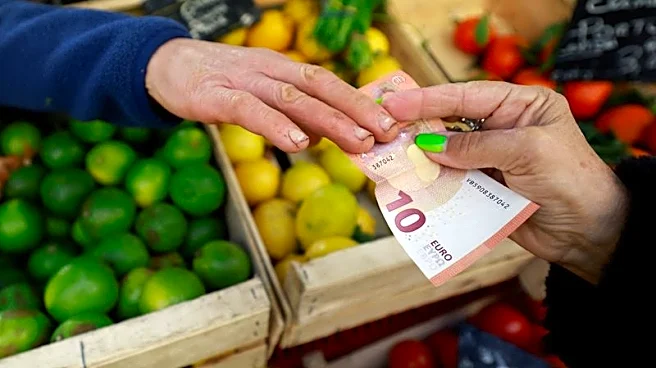
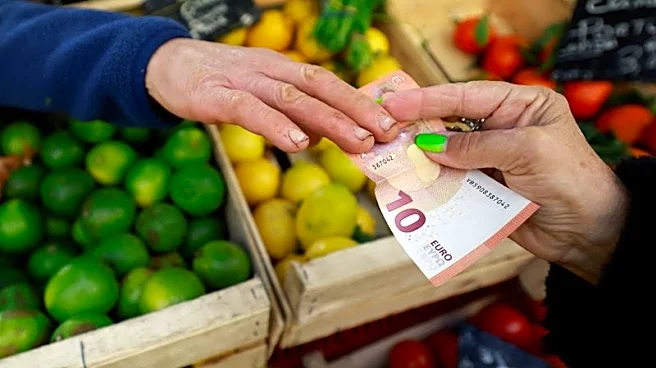
The spectacle of Paris Fashion Week translates into staggering economic impact. The event generates an estimated €1.2 billion annually for the city, a figure that rivals major sporting events. This encompasses everything from packed hotels and restaurants to a massive surge in retail spending. High-net-worth individuals flock to the city, not just to attend shows but to shop, with the average spend per international shopper spiking significantly during the week. This flood of capital reinforces the city's status as the premier commercial hub for high-end goods, creating a self-sustaining cycle of glamour and commerce. It's a platform where brand desirability is converted into direct sales and global orders.
The Cultural ‘It’ Factor
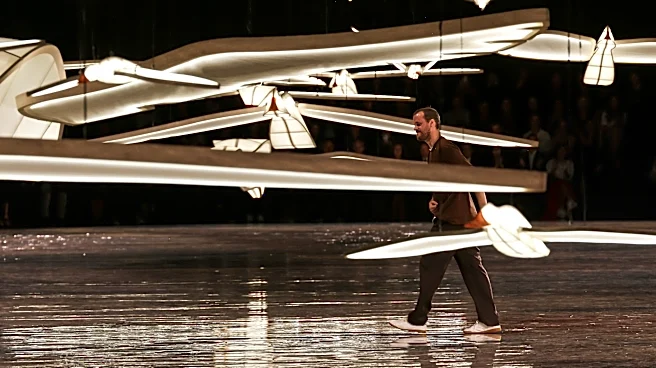
Beyond the business mechanics, Paris sells a story. A show in Paris is a cultural moment, a piece of performance art that reverberates globally. Designers use the runway to tell a story about their brand's vision, and in a market where consumers are increasingly seeking meaning beyond a logo, this narrative is paramount. The city itself—its gardens, its museums, its very streets—becomes a backdrop that reinforces the idea of a refined, aspirational lifestyle. Even as the luxury market faces challenges like inflation and shifting consumer habits, the ability to create this cultural relevance and desire remains Paris's ultimate currency. It’s not just about clothes; it's about buying into a world, and that world still speaks with a French accent.