



Mistake 1: Assuming Softer is Always Better
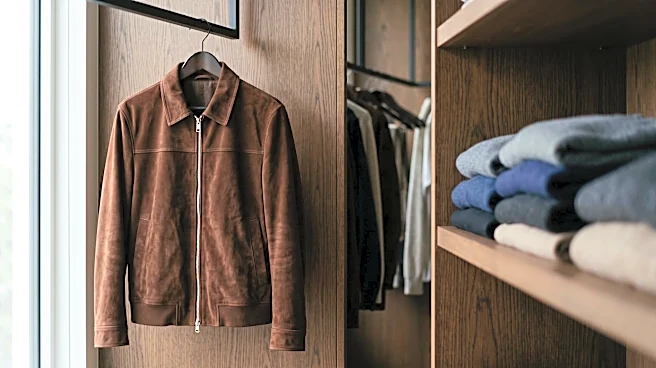
When you run your hand over a suede jacket, an ultra-soft, velvety feel seems like the ultimate sign of luxury. While quality suede is certainly soft, excessive softness can sometimes be a red flag. Suede is made from the underside of an animal hide,
which is sanded to create its signature fuzzy texture, known as the "nap." Low-quality suede, particularly "split suede," can be over-sanded to feel incredibly plush to the touch. This process creates a weaker material with less structure that is more prone to tearing and won't hold its shape over time. High-quality suede, often called "reverse calf" or "full-grain suede," has a fine, dense, and even nap. It feels soft but also substantial, not flimsy or overly delicate. When you brush your hand against it, you should see a subtle change in color and texture, often called the "drag." This indicates a healthy nap, not an over-processed, weak material.
Mistake 2: Ignoring the Type of Suede
Many shoppers think “suede is suede,” but the source of the material is the single most important factor in its quality. The highest quality is "full-grain reverse suede." This means the jacket is made from a full-grain hide, simply turned over to use the naturally napped underside. It retains the strength and durability of the entire hide structure. The more common and much cheaper alternative is "split suede." During processing, thick hides are often split into multiple horizontal layers. The top layer becomes top-grain leather, while the lower, weaker fibrous layers are used to make split suede. This type of suede lacks the dense fiber structure of the top layer, making it less durable and more susceptible to stretching and damage. While it's hard to tell just by looking, jackets made from full-grain reverse suede are often heavier, have more structure, and are typically advertised as such by premium brands.
Mistake 3: Overlooking the Construction Details
Focusing only on the suede itself is a classic error. The overall construction of the jacket is a huge giveaway of its quality. Cheaply made jackets will cut corners on the things you might not notice at first glance. Start with the lining. A high-end jacket will often use a breathable, silky lining like Bemberg or cupro, whereas a lower-quality one will use shiny, non-breathable polyester. Next, check the hardware. Feel the zipper; it should be substantial and smooth, often from a reputable brand like YKK. The buttons and snaps should feel solid and securely attached, not like cheap, lightweight plastic that could easily break. Finally, inspect the stitching. Look for tight, even seams without any loose threads. These small details are rarely faked; a manufacturer willing to invest in quality hardware and finishing is also likely to have used better quality suede.
Mistake 4: Being Seduced by Perfect Color
A rich, deep, and perfectly uniform color can be mesmerizing, but it doesn't always signal a better jacket. In fact, sometimes it's used to hide imperfections in a lower-grade hide. In high-quality suede, the dye should penetrate deep into the fibers, not just sit on the surface. You can sometimes spot this by looking at the edges of the material. A well-dyed piece will have consistent color through and through. While a uniform color is desirable, slight, natural variations can be present in genuine high-end hides. More importantly, low-quality dyes can transfer or fade unevenly. Instead of focusing only on the richness of the color, pay attention to its evenness and how it interacts with the nap. It should look like an integral part of the material, not a coating sprayed on top.