




The Unflattering Stereotype
The tankini’s reputation precedes it. It’s the ‘mom suit.’ It’s the choice you make when you can’t or won’t commit to the cultural pressures of the bikini but find the one-piece too restrictive. In the court of public opinion, the tankini is often seen
as a compromise, a sartorial shrug that says, ‘I’m here, but I’d rather not be.’ This image is deeply rooted in its popularization during the late 90s and early 2000s, an era whose fashion choices are often remembered for their awkwardness rather than their elegance. We picture ill-fitting, skirted bottoms paired with bland, shelf-bra tops in unflattering floral prints. The tankini became synonymous with a specific kind of modesty-driven pragmatism that fashion, by its very nature, tends to disdain. It was functional, yes, but rarely aspirational. And in the world of style, where image is everything, being labeled ‘practical’ can be a death sentence.
A Genuinely Radical Invention
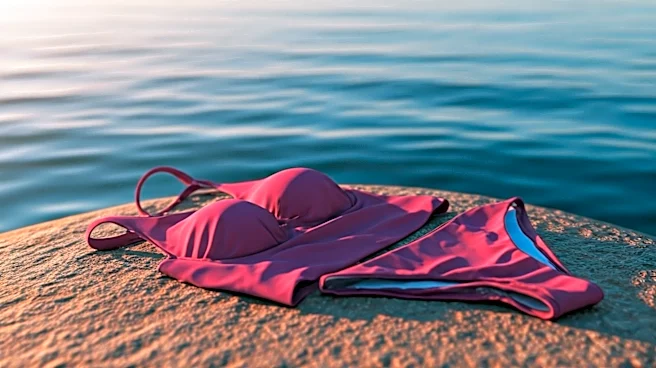
Here’s the part of the story everyone forgets: the tankini was a brilliant, boundary-pushing invention. Created in the late 1990s by designer Anne Cole—a titan of the swimwear industry—it wasn’t born from a desire for frumpiness. It was a solution to a real problem. For years, women had been forced to choose between the aesthetic freedom of a two-piece and the coverage of a one-piece. The tankini shattered that binary. Suddenly, you could have both. It offered the coverage and support many women desired, but with a crucial advantage: the convenience of a two-piece. No more awkward, full-body contortions in a tiny bathroom stall. It was a masterclass in user-centric design. Cole herself called it the first major swimwear innovation in decades. It wasn’t about hiding the body; it was about giving women more control over how they experienced a day at the beach or pool. It was, in its own way, a feminist statement.
Freedom from the Tyranny of the Bikini
The cultural dominance of the bikini has created an unspoken pressure for decades. It is presented as the default, the ideal, the ultimate sign of a ‘beach body.’ Anything else is framed as a deviation. The tankini offers a powerful counternarrative. It’s not about being ‘anti-bikini,’ but about being ‘pro-choice.’ It decouples the act of swimming from the act of performing a very specific, often unattainable, version of sexiness. For anyone who has ever felt a pang of self-consciousness walking from their towel to the water, the tankini provides a different path. It allows for activity, for comfort, and for a sense of security without requiring a full retreat into a one-piece or a cover-up. It’s the swimsuit for people who want to swim, play with their kids, read a book, and eat a sandwich without worrying if their every angle is being judged. That isn’t surrender; that’s liberation.
The Rebrand Is Already Happening
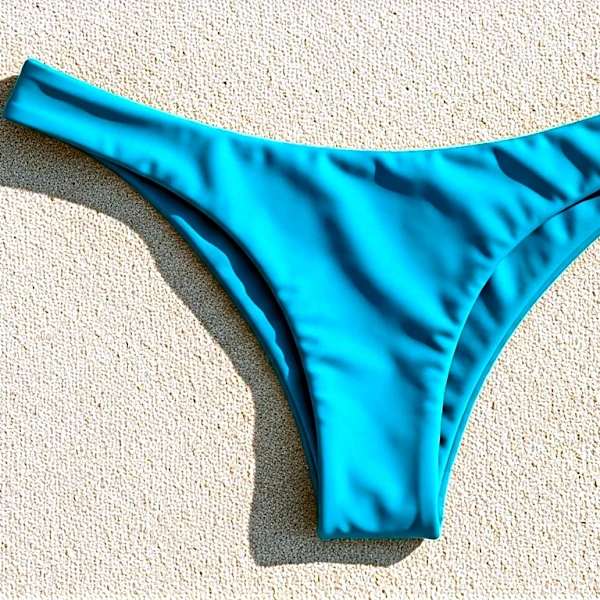
While the fashion world has been busy mocking the tankini, it has quietly started to reinvent it. The Y2K revival, championed by Gen Z, has brought back elements of the tankini’s core design, albeit under different names. High-waisted bottoms paired with crop-top-style swim tops are, functionally, a form of tankini. Sporty, high-neck designs from athletic brands offer the same coverage and performance. Fashion-forward labels are creating beautifully draped or structured tankini tops that look more like chic blouses than traditional swimwear. The problem isn't the garment itself, but the name and its associated baggage. The principles of the tankini—a two-piece swimsuit with a longer top—are more popular than ever. The key to its official rebrand is simply to acknowledge this reality. We need to see the modern, stylish iterations for what they are: the next evolution of Anne Cole's brilliant idea.