







From Polish to Patina
The first thing to understand about Buccellati is that it rejects the modern obsession with flawless, high-shine surfaces. While many luxury houses aim for a look of machine-like perfection, Buccellati champions a different ideal, one rooted in the aesthetics
of the Italian Renaissance. The brand's founder, Mario Buccellati, revived ancient goldsmithing techniques with the philosophy that no surface should be left untouched. This results in jewelry that feels less like a manufactured object and more like a discovered treasure. It has a warmth and humanity to it. The value isn't in presenting gold as a solid, gleaming block of wealth, but in transforming it into something that feels personal and almost alive, bearing the subtle, perfect imperfections of the artist's hand.
Gold That Behaves Like Fabric
The core of Buccellati's genius lies in its signature engraving techniques, which are often the most misunderstood part of its value. Buyers might see a cuff and register it simply as 'gold', missing the artistry that makes it unique. Techniques like 'Rigato' involve painstakingly etching hundreds of tiny parallel lines onto the surface to give the metal a texture that mimics the sheen of silk. The 'Telato' technique cross-hatches lines to create the impression of linen or canvas, while 'Segrinato' uses overlapping engravings to produce a soft, velvety look. The metal is no longer just a metal; it has been transformed into a textile. This is why Buccellati pieces diffuse light with a soft glow rather than reflecting it with a sharp glare—they are designed to be looked at closely, rewarding the viewer with layers of texture.
The Supporting Role of Gemstones
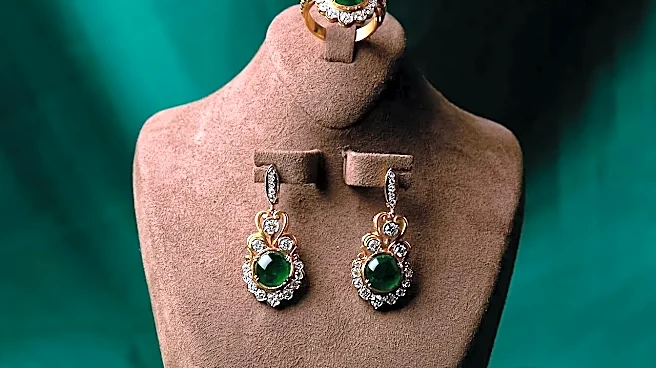
In much of the high jewelry world, the gemstone is the star and the metal is just the supporting cast. Buccellati flips this script. While the house uses exceptional stones, they are rarely the sole focus. Instead, gems are integrated into the overall design as an element of color or a point of light within a larger composition. Mario Buccellati often preferred stones like large cabochons or antique rose-cut diamonds, which have a softer, more diffused glow compared to the fiery brilliance of modern cuts. This choice is deliberate. It ensures that the stone complements the intricate metalwork rather than overpowering it. A buyer looking for the biggest possible diamond on a simple band will miss the point entirely; at Buccellati, the artistry is in the total design, where metal and stone are in perfect, balanced conversation.
A Legacy of Art, Not Just Assets
Ultimately, to appreciate Buccellati is to see jewelry as wearable art. The house was founded in Milan in 1919 by Mario Buccellati, a man dubbed the "Prince of Goldsmiths" who was deeply inspired by the art of the Italian Renaissance and Baroque periods. He revived techniques that were falling into disuse, not to create historical replicas, but to infuse modern jewelry with a sense of history and masterful craftsmanship. This is why a Buccellati piece feels different. It's not a trend; it's a continuation of a centuries-old artistic tradition. Owning one isn't just about possessing precious materials; it's about connecting with a specific cultural legacy. The collections are not designed to be easily digestible status symbols but are for those who appreciate the quiet confidence of true artistry.