






You’re scrolling social media when a grainy, lurid trailer for a classic slasher film pops up. But it’s not just a throwback post—it’s an ad for a screening happening this week. This old-school tactic is surprisingly effective. So, how do decades-old
trailers convince modern audiences to buy tickets?
The Potent Power of Nostalgia
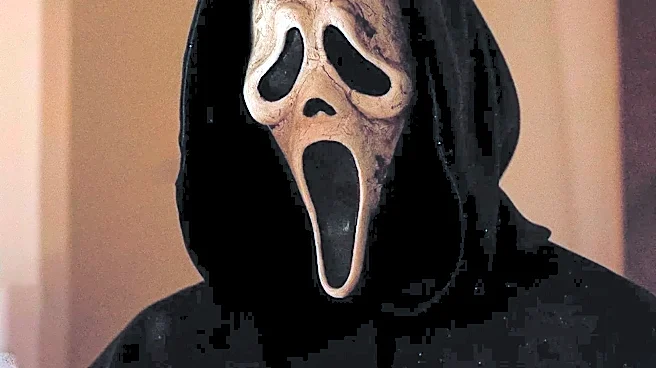
The primary engine driving this trend is nostalgia, one of the most powerful tools in a marketer’s arsenal. For many, classic horror films from the '70s, '80s, and '90s aren’t just movies; they're formative cultural memories. A vintage trailer for 'Halloween II' or 'A Nightmare on Elm Street' doesn't just advertise a film; it evokes the feeling of discovering those movies for the first time, whether in a packed theater or on a rented VHS tape. This emotional connection is something a trailer for a new, unknown film struggles to replicate. Marketers understand that leveraging these existing positive associations gives them a massive head start. It's a strategy that taps into a pre-built fan base, reminding them of a beloved experience and offering a chance to relive it, but this time on the big screen with fellow fans. This shared nostalgia creates a sense of community and makes the screening feel like a special, can't-miss reunion.
Creating an 'Event' in the Age of Streaming
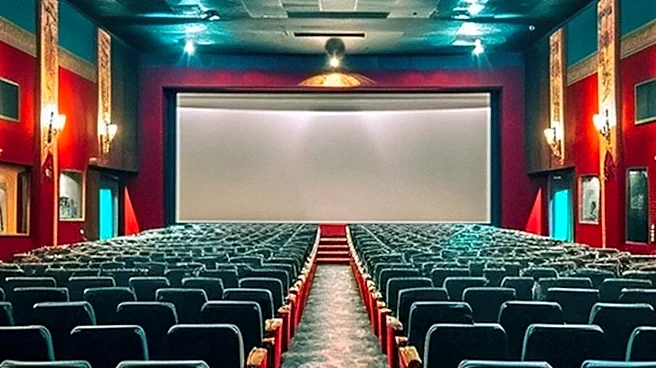
In an era where almost any movie is available on-demand, theaters have to sell more than just the film—they have to sell the experience. Using a vintage trailer helps frame a repertory screening not as just another movie, but as a curated 'event'. The retro aesthetic of the trailer—the dramatic voiceovers, the dated fonts, the raw, spoiler-heavy cuts—signals that this is a special occasion. It's a deliberate choice to step away from the polished, often formulaic trailers of today. This strategy taps into the desire for unique, communal activities that can't be replicated at home. Horror, in particular, thrives on a group atmosphere where audiences can scream and laugh together. By using a vintage trailer, promoters are implicitly promising an authentic trip back in time, turning a simple movie night into a memorable, real-world happening that feels more special and urgent than scrolling through a streaming library.
The Social Media Buzz Machine
Vintage trailers are perfectly suited for the social media ecosystem. Their distinct, often campy style makes them highly shareable. When a theater posts a classic trailer for an upcoming screening, it’s not just seen by its direct followers. Fans share it with comments like, 'They don't make them like this anymore!' or 'I remember being so scared of this!'. This user-generated activity functions as free, word-of-mouth advertising, amplified by the algorithms that reward engaging and novel content. Modern horror marketing has already proven that fan participation is key to generating buzz. Vintage trailers achieve this organically. They invite commentary, spark debates about classic horror, and allow fans to perform their 'in-the-know' status by sharing a piece of cinematic history. This online conversation builds a groundswell of excitement that can reach far beyond the theater's initial marketing push.
A Low-Cost, High-Impact Strategy
From a business perspective, using existing promotional materials is incredibly efficient. Creating a new, high_quality trailer is a significant expense, requiring editors, graphic designers, and music licensing. A vintage trailer, on the other hand, is a ready_made asset. While there may be some licensing hurdles, they are often minimal, especially when the screening is officially sanctioned by the distributor. For independent theaters and specialty programmers, this is a major advantage. It allows them to mount an effective, emotionally resonant marketing campaign on a shoestring budget. The trailer does the heavy lifting, pre_qualifying the audience by appealing directly to established fans. It’s a strategy of working smarter, not harder, using the cultural capital of a beloved film to generate excitement without the high costs of a modern marketing blitz. It proves that in the right context, a 40_year_old ad can be more effective than a brand new one.