





The Illusion of Effortless Magic
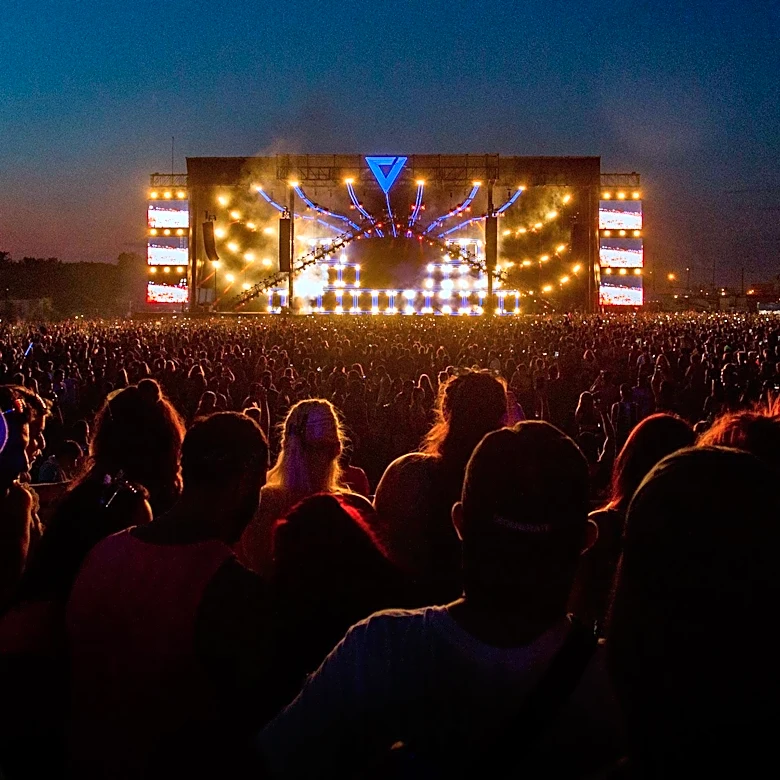
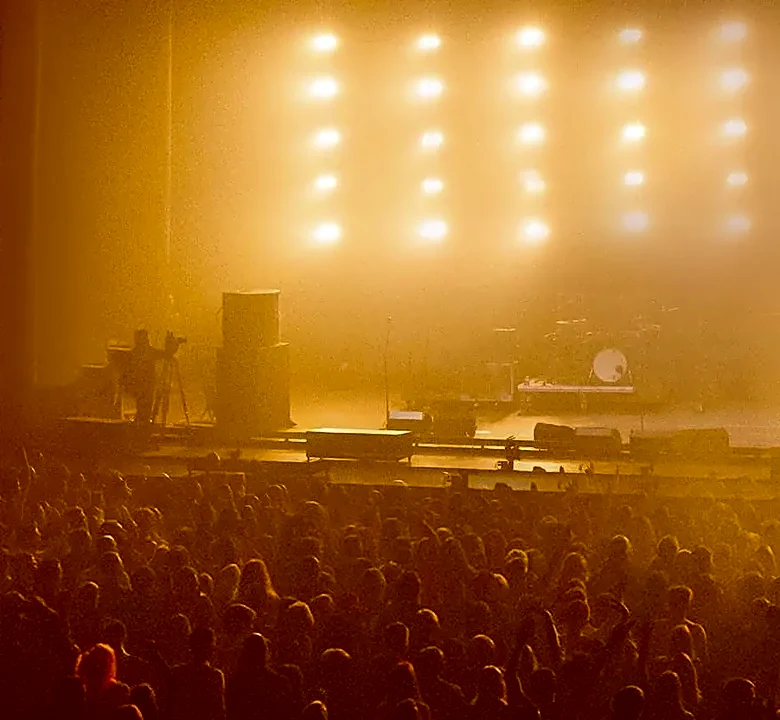
To a fan in the crowd at Golden Gate Park, a headline performance feels like magic. The sound is massive yet clear, the lights pulse in perfect time, and the artist commands the stage, their voice soaring over the Polo Field. It feels effortless, but
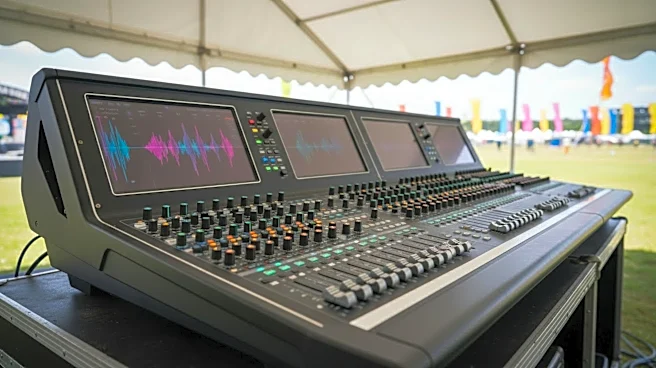
this seamless experience is one of the most complex, high-pressure technical productions in entertainment. Every sound you hear, from the lead vocal to the kick drum to the synth melody, is traveling through a dizzying maze of digital and analog equipment. A modern stage is a city of signals, all of which must work in perfect harmony. But what happens when one of those signals gets lost in the noise?
Villain #1: When Radio Waves Go Rogue
One of the most common and frustrating gremlins of live production is Radio Frequency (RF) interference. In today's shows, almost everything is wireless: microphones, in-ear monitors for the band, and even guitar packs. Each of these devices operates on a specific radio frequency, like a tiny radio station broadcasting to its receiver. The problem is that the air is crowded. Interference can come from anywhere: local TV broadcasts, security radios, police scanners, and even the thousands of cell phones in the audience all searching for a signal. When a stray frequency collides with the one your headliner’s microphone is using, the result is an audio nightmare—static, dropouts, or complete silence, often at the worst possible moment.
Villain #2: The Unforgiving MIDI Clock
For many modern acts, especially in electronic and pop music, another potential point of failure is the MIDI clock. MIDI (Musical Instrument Digital Interface) is the language that allows different electronic instruments—synthesizers, drum machines, laptops, and lighting rigs—to speak to each other and stay in sync. The MIDI clock is the master conductor, sending out a steady pulse that keeps the entire electronic orchestra playing in perfect time. If that clock signal is interrupted or degraded, perhaps by a faulty cable or a software glitch, chaos can ensue. An arpeggiator might drift out of time, a backing track could fail to trigger, or the lights could fall out of sync with the beat, turning a tightly choreographed drop into a confusing mess.
From Perfect Set to Dead Silence
Imagine this: a DJ is building energy for the biggest drop of their set. Thousands of fans are ready for the release. But as they twist the knob to unleash the bass, nothing happens. A tech scrambles, realizing the wireless signal from the decks has been drowned out by RF noise. Or consider a singer, stepping forward to belt out the climactic chorus of their biggest hit. But their voice cuts out, replaced by a blast of static because their in-ear monitor frequency just clashed with a nearby vendor’s radio. These aren't just hypothetical situations; they are the recurring nightmares for artists and the audio engineers tasked with preventing them. These failures can derail an artist's performance, breaking the connection with the audience that they've spent the entire show building.
The Unseen Heroes of Audio
Preventing this kind of digital catastrophe falls on a team of highly specialized audio technicians and RF coordinators. Their job starts weeks before the festival, using sophisticated software to map out every single frequency being used on-site, from the main stage headliner down to the production assistant's walkie-talkie. They create a master plan, assigning each wireless device its own clean, protected “lane” on the airwaves to avoid collisions. During the show, they are constantly monitoring the RF spectrum, ready to switch to a backup frequency in a split second if interference appears. They are the unsung heroes of Outside Lands, waging a constant, invisible war against physics to ensure the only thing the audience hears is flawless music.