





The Loneliest Walk in Sports
There is nothing in sports quite like the penalty shootout. After 120 minutes of grueling, collective effort, the fate of a team, a tournament, a nation, rests on the isolated duel between a single player and a goalkeeper. The walk from the center circle
to the penalty spot is a pilgrimage of pressure. The world shrinks to the size of a goalframe. For the players, the stress is immense; studies have shown that high-pressure situations can compromise fine motor control and narrow a player's focus, a phenomenon known as "attentional tunneling." Negative crowd noise, in particular, has been found to decrease accuracy. It is a moment of pure, distilled psychological drama, traditionally backdropped by the steady, choral roar or whistling of a European or South American stadium.
A Different Kind of Noise
North American fan culture operates on a different rhythm. While traditional global football crowds often maintain a constant level of singing and chanting, American sports atmospheres are characterized by explosive, reactive noise. It’s a culture of spectacle where the audience is prompted to participate at key moments. Think of the thunderous, unified “DE-FENSE!” chant at a basketball game, the swelling roar on a third down in football, or the collective gasp and explosion during a dramatic play. This isn't the background hum of a European terrace; it's a series of targeted sonic bursts. Critics sometimes mock American chants like "I believe that we will win!" as simplistic or unoriginal compared to the witty, hyperlocal songs of European clubs. But that criticism misses the point: the power isn't in the poetry, it's in the punctuation and the sheer, synchronized volume designed to disrupt and dominate a specific moment.
Weaponizing the Wall of Sound
Now, apply that explosive, stop-and-start sound to a penalty shootout. Instead of a constant wall of noise that a player might acclimate to, a North American crowd offers something more psychologically jarring. Imagine the eerie, focused silence as a player places the ball, followed by a sudden, deafening eruption of boos, jeers, and coordinated noise just as he begins his run-up. This is not just noise; it's a tactical weapon. Studies confirm that crowd noise impacts athletes' psychological states and can interfere with tactical execution. For a penalty taker, who relies on routine and focus to overcome the immense pressure, this kind of targeted, fluctuating distraction presents a novel mental hurdle. It’s a culture built on getting in the opponent's head, and a shootout is the ultimate mental game.
More Than a Game, It's a Production
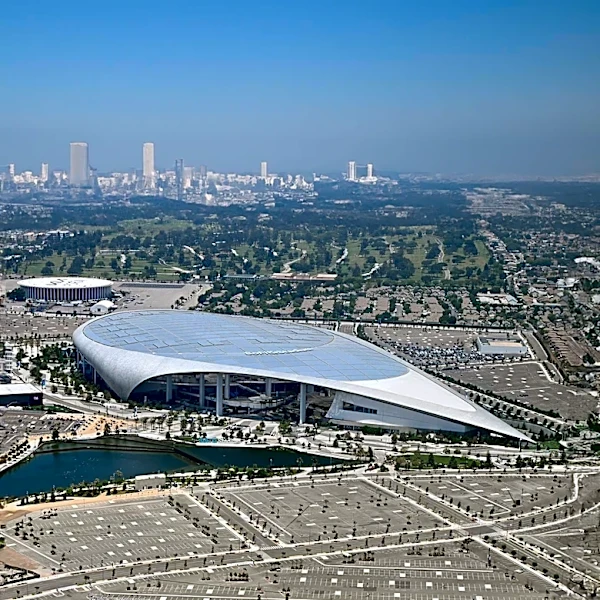
The 2026 World Cup in North America will take place in some of the most technologically advanced stadiums in the world. American sporting events are high-production entertainment spectacles, more akin to a Super Bowl halftime show than a traditional soccer match. Expect massive, high-definition video boards showing extreme close-ups of a player's face, heart-pounding music during the walk to the spot, and real-time stats flashing for the crowd. This creates a powerful feedback loop: the in-stadium production whips the crowd into a frenzy, and that frenzied crowd energy is then captured and amplified by the production. For the player at the center of it all, it's an immersive, 360-degree environment designed to maximize the drama of the moment, turning a personal test of will into a stadium-wide blockbuster.