



The Comfort in Being Scared
At its core, nostalgia is about the power of positive memory. It’s a psychological safety blanket, and marketers have long known that tying a product to a good feeling is effective. But why does this work for a holiday centered on fear? The answer is 'safe
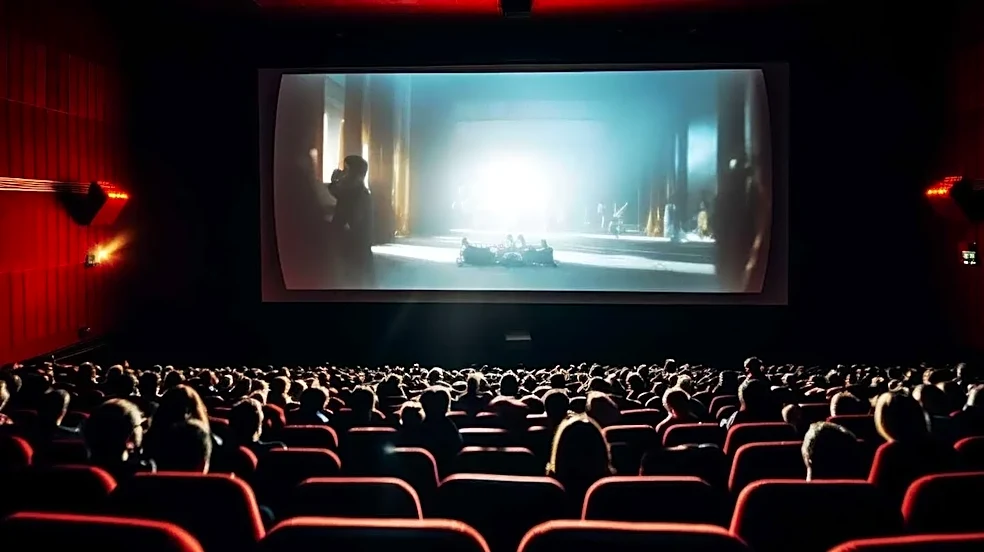
fear'. Watching a horror movie gives you a rush of adrenaline and dopamine, not unlike riding a roller-coaster, all from the security of your couch. When that movie is also one you grew up with, the effect is doubled. You get the thrill of the scare combined with the comfort of recollection. This creates a powerful emotional cocktail: the memory of conquering that fear as a kid, now re-experienced as an adult in a controlled setting, builds a sense of confidence and relief.
Gen X: The Original Slasher Film Scholars
For Generation X, Halloween nostalgia is often rooted in the gritty, tangible world of the late ‘70s and ‘80s. This was the era of the video store, where kids would sneak slashers like 'Halloween' or 'A Nightmare on Elm Street' home for sleepovers. The nostalgia here isn't just for the films themselves, but for the experience of discovering them. This generation became the first scholars of the modern horror franchise, debating the rules of survival and the mythologies of Michael Myers and Freddy Krueger. Today, studios cater to them with legacy sequels and reboots that honor the source material, while events like Universal's Halloween Horror Nights frequently build entire attractions based on these iconic intellectual properties (IPs), knowing Gen X will show up for a high-fidelity recreation of their favorite movie scares.
Millennials: Raised on Camp and Cozy Spells
If Gen X had slashers, Millennials had a slightly gentler, more fantastical brand of spooky. Their nostalgia is for the family-friendly, slightly campy Halloween hits that dominated cable TV every October. Think 'Hocus Pocus', 'Halloweentown', and 'The Nightmare Before Christmas'. These films weren't just movies; they were annual traditions. 'Hocus Pocus', a box-office flop in 1993, famously became a cultural touchstone through decades of TV reruns, building a massive adult audience that once watched it as kids. The payoff came in 2022 when its sequel, 'Hocus Pocus 2', became a record-breaking streaming premiere for Disney+, proving the immense commercial power of this generation's sentimentality. For Millennials, Halloween nostalgia is often communal, cozy, and highly shareable.
Gen Z: Curating the Past on a Global Stage
Gen Z's relationship with nostalgia is different. They didn't experience the ‘80s or ‘90s firsthand, but they have expertly adopted and remixed these eras through platforms like TikTok and streaming services. A show like 'Stranger Things' is a perfect example; while set in the '80s, its aesthetic and story are consumed by a global audience of teens and young adults. The show's use of Kate Bush's 'Running Up That Hill' sent the 1985 song to number one on the charts decades later, demonstrating how Gen Z can resurrect and re-contextualize older media for a new era. Their nostalgia isn't about lived experience but curated discovery, blending different decades into a new, internet-fueled culture where '80s horror icons and '90s fashion can coexist in the same viral trend.
From Screen to Immersive Experience
Ultimately, the reason nostalgia 'sells tickets' is that it has moved beyond the living room. The modern entertainment economy is about experiences. Theme parks like Universal Studios have turned nostalgia into a cornerstone of their wildly popular Halloween Horror Nights. These events use blockbuster IPs—from classic Universal Monsters to modern hits like 'Stranger Things' and 'Ghostbusters'—to attract fans who want to literally step inside the movies they love. Fans line up for hours not just for a scare, but for the detailed, immersive satisfaction of seeing a beloved film world brought to life. This transforms passive viewing into active participation, turning a fond memory into a premium, ticketed event.