








A Beautiful, Deadly Trap
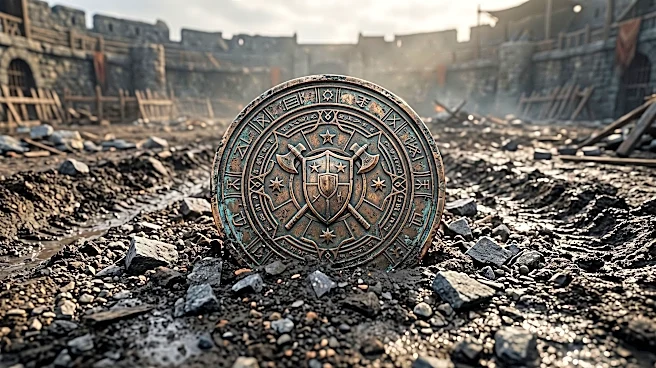
The second Quarter Quell, the 50th Hunger Games, was designed for maximum spectacle and suffering. The twist? Double the tributes—48 in total—and an arena that was, by all accounts, breathtakingly beautiful. It boasted lush meadows, picturesque forests,
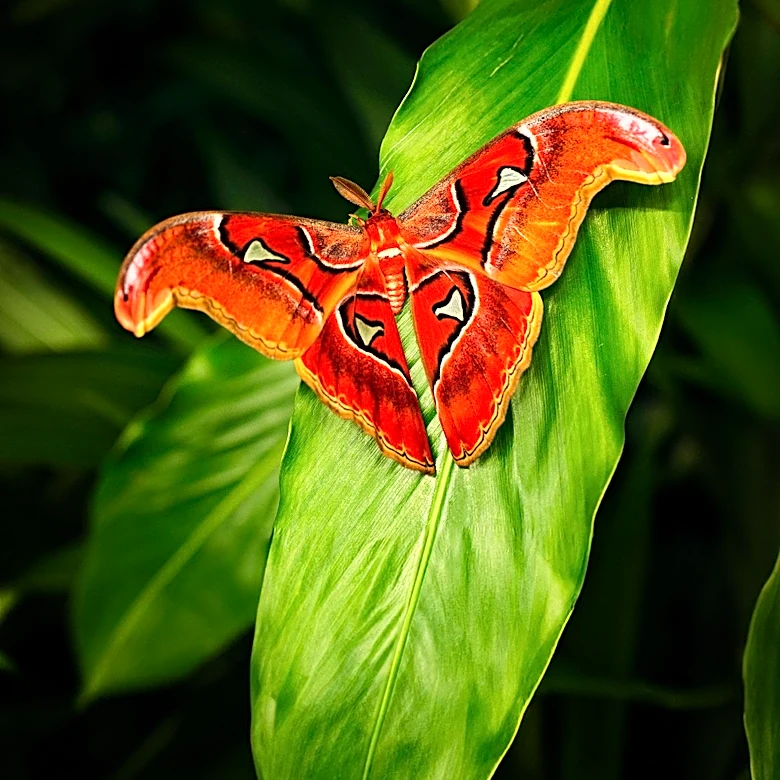
and a sparkling stream under a perfect blue sky. The cruel irony, however, was that everything in it was poisonous. The flowers, the trees, the water—every natural element was lethal. The only safe provisions were those found at the Cornucopia during the initial bloodbath and whatever rainwater could be collected. This diabolical setup fundamentally changed the game. In a normal arena, a skilled tribute like Katniss could live off the land. Here, there was no land to live off of. Survival was impossible without outside help.
When Every Gift Is a Lifeline
This poisonous paradise made sponsor gifts—parachuted-in packages of food, water, and medicine—more critical than ever before. They weren't just an advantage; they were the only way to stay alive for anyone who failed to secure supplies at the start. Every sip of clean water, every piece of bread, had to be earned by capturing the Capitol's attention. This put an immense psychological pressure on the tributes. They couldn't just hide and wait it out. They had to be visible, engaging, and compelling enough for wealthy sponsors to invest in them. A tribute who was boring or out of sight was a tribute who would starve or die of thirst long before they ever faced an opponent. Haymitch, a 16-year-old from the impoverished District 12, had to learn this grim calculus on the fly.
Playing the Part to Survive
Haymitch’s journey to victory was therefore as much a performance as it was a battle. He formed a strategic, if temporary, alliance with Maysilee Donner, another District 12 tribute. This partnership likely made them a more compelling narrative for sponsors, a classic story of district loyalty in the face of impossible odds. Records show they received gifts like a pot of soup after their alliance solidified. But Haymitch also proved his individual resourcefulness, which would have been another key factor for sponsors. He was smart, adaptable, and a survivor. Every move had a dual purpose: to stay alive in the immediate moment and to project an image of a worthy victor to the audience watching at home. This is the core lesson he would later drill into Katniss and Peeta: 'You have to make people like you'.
The Gift and the Gamble
While sponsorship was essential for staying in the game, it couldn't win it for him. The ultimate victory came from Haymitch's own cunning. In the final showdown with a Career tribute from District 1, a grievously wounded Haymitch used the arena itself as a weapon. He positioned himself at the edge of the force field enclosing the arena, goading his opponent. When she threw her axe at him, he ducked, and the force field flung the weapon back, killing her instantly. He didn't just win; he outsmarted the Gamemakers, using a piece of their own technology against them. This act of defiance was not celebrated by the Capitol. President Snow, enraged that Haymitch had made the Capitol look foolish, ordered the execution of his mother, brother, and girlfriend just weeks after his victory.