
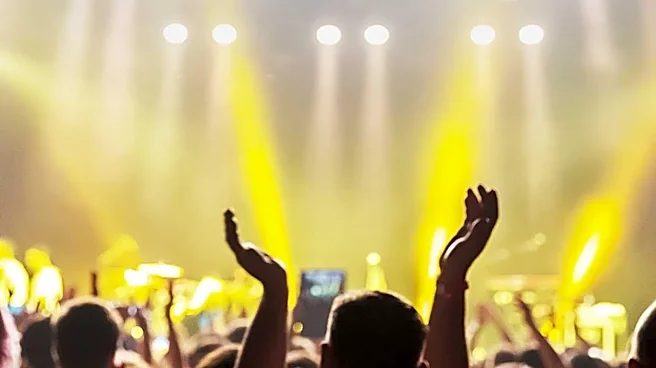
The Singalong: A Chorus of Belonging
A concert singalong is perhaps the most primal form of audience participation. It's the moment the barrier between performer and fan dissolves completely. But not all singalongs are created equal. Shouting the defiant chorus of a rock anthem is an act
of communal power and catharsis. It’s a physical, booming declaration of shared identity and strength. In these moments, sociologists speak of "collective effervescence," a term for the infectious energy and sense of unity that binds a group together. This is the crowd feeling its own power, its own voice. Then there's the other kind of singalong: the quiet, vulnerable harmony to a somber ballad. When an artist steps back from the microphone and the crowd carries the melody, the emotion shifts from power to intimacy. It becomes a moment of shared tenderness and mutual support, an acknowledgment of a common feeling or memory. In this space, the crowd isn't just singing lyrics; they are holding a collective memory, confirming that everyone in that space is connected by the same emotional thread. It’s less a roar and more a unified, breathing whisper.
The Phone Lights: A Modern Vigil
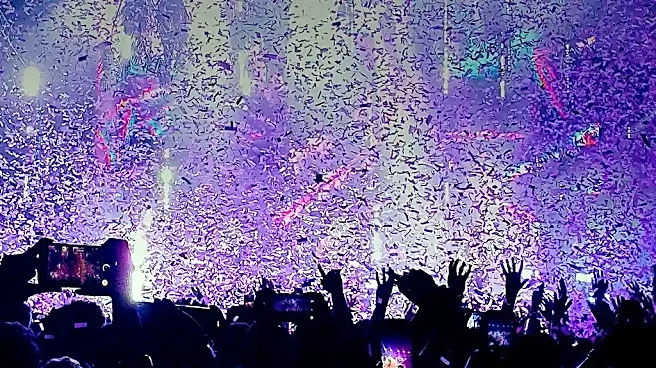
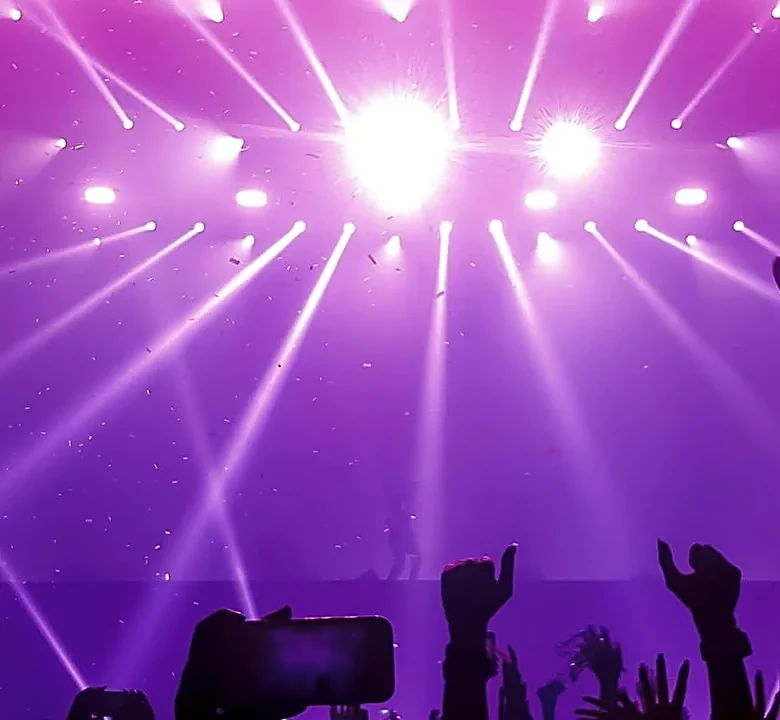
Once, it was the flickering flame of a BIC lighter. Today, it’s the cool, white glow of a smartphone flashlight. This ritual has become the modern concert-goer's salute for the slow song, the emotional peak, or the encore plea. When a sea of lights illuminates a dark arena, it’s a powerful visual statement—a moment of quiet reverence. Unlike a loud singalong, the act of raising a light is a silent, individual action performed in mass unison. It transforms a crowd of spectators into a single, breathtaking spectacle, reflecting the artist's energy back at them. This gesture signals a shift from active participation to focused appreciation. It’s the crowd saying, "We are here, we are with you, and we are paying attention." Some artists have even incorporated this moment into their shows, actively asking the audience to create a “sea of stars.” The phone, often criticized as a distraction that pulls us out of the moment, is repurposed into a tool for communal immersion. It becomes a modern vigil, a sign of respect and solidarity that is both deeply personal and overwhelmingly public.
The Dance Break: A Burst of Cathartic Joy
If singalongs are about unity and phone lights are about reverence, the spontaneous dance break is about pure, unadulterated release. It’s the most chaotic and least organized of crowd behaviors, and in many ways, the most telling. It often happens during an instrumental bridge or a beat drop, when the music’s energy becomes too much to contain. This isn't choreographed or requested; it's an eruption of joy, a physical manifestation of the music taking over. Psychologically, this behavior represents a breaking of social norms. In a tightly packed crowd, we are expected to stand relatively still. A dance break is a collective agreement to abandon that restraint in favor of catharsis. It's a moment of expressive freedom, where the individual’s need to move overrides the group’s instinct for order. It’s not just about having fun; it’s about shedding inhibitions together. Whether it's a mosh pit at a rock show or a joyous bounce at a pop concert, these eruptions signify that the crowd has reached a peak emotional state—a point where simply listening is no longer enough.