
The Stadium Rocker's Explosive Energy
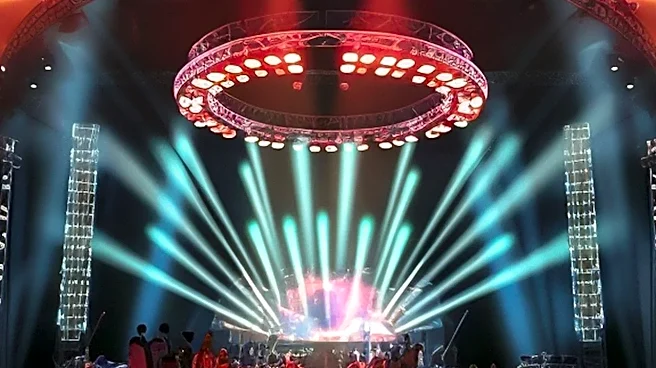
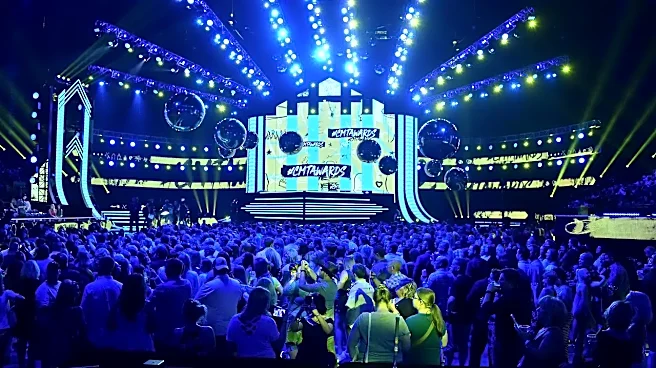
When a country artist with rock-and-roll swagger takes the stage, the performance is about scale, energy, and connection with a massive crowd. The camera work should feel just as explosive. Imagine sweeping jib and crane shots that soar over the audience,
capturing thousands of lit-up phones as the chorus hits. Fast, percussive editing that cuts on the drum beat can amplify the track's power. Low-angle shots from the foot of the stage make the performer look larger than life, a true arena hero. Quick zooms and dynamic handheld work on the guitarist during a solo add a layer of grit and intensity. The goal isn't just to show the performance; it's to make the viewer at home feel the floor shake and the energy of the room, using a visual language borrowed from the best live rock concert films.
The Balladeer's Quiet Intimacy
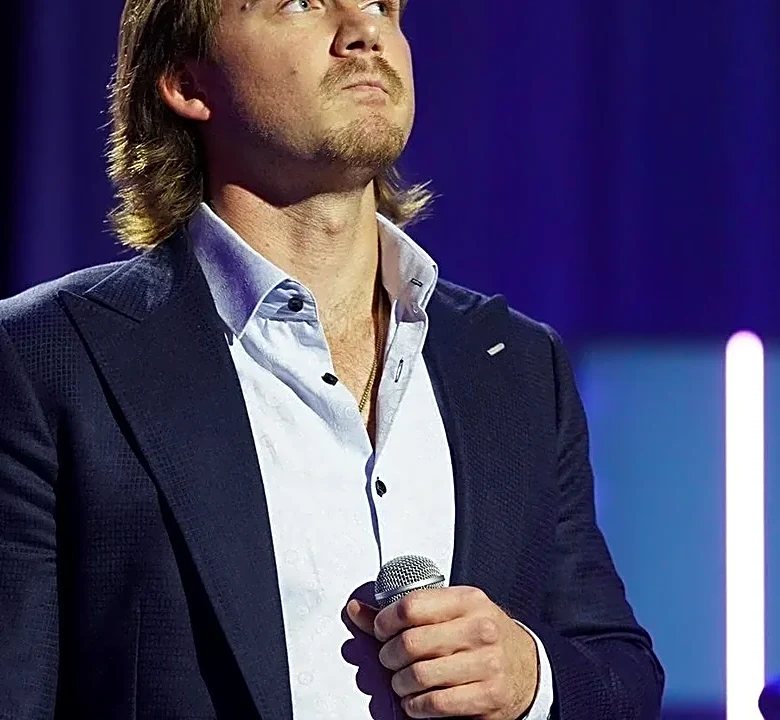
Now, contrast that with the traditionalist singer-songwriter, alone on a stool with an acoustic guitar. Here, speed and scale are the enemy. The production's job is to create intimacy and focus the audience on the lyrical story. This calls for a completely different cinematic approach. A slow, deliberate dolly-in draws the viewer closer, creating a sense of personal connection. The director should favor long takes, resisting the urge to cut away. This allows the artist's emotional performance to unfold naturally, without interruption. Tight close-ups on the artist's face, their eyes, and their hands on the fretboard can convey vulnerability and artistry. Using a shallow depth of field, where the background is softly blurred, isolates the singer, making it feel as if they are performing just for you. The lighting should be warm and focused, creating a visual cocoon that respects the song's quiet power.
The Polished Pop-Country Crossover
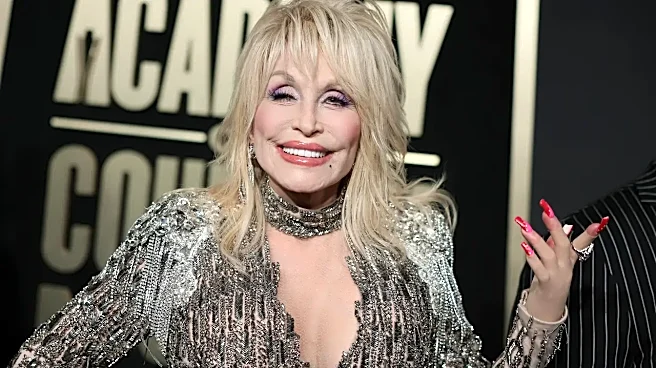
Country's pop crossover acts bring a different flavor entirely: slick, choreographed, and built for mass appeal. Their visual language should reflect that polish. Steadicam operators become dance partners, smoothly following the artist's every move across a glossy stage. The framing here can be more symmetrical and clean, mirroring the precision of a pop music video. This is where the broadcast can embrace a high-tech feel, integrating on-screen graphics or augmented reality elements that sync with the music. The lighting should be bright and flawless, with vibrant colors that match the song's modern, radio-friendly sound. Instead of the raw energy of rock or the quiet focus of a ballad, the goal here is to communicate a sleek, contemporary, and highly produced aesthetic. The camera shouldn't just capture the performance; it should feel like part of the choreography.
The Authentic Americana Storyteller
Americana and roots-based country artists prioritize lyrical depth and musical authenticity, often with a raw, unpolished edge. The camera work can honor this by adopting a documentary-style feel. Handheld cameras, with their subtle, organic movements, can create a sense of immediacy and realism, as if the viewer is standing right there in the room. The color grading could be warmer, perhaps with a slight grain, to evoke a timeless, filmic quality. Instead of rapid cuts, the director could linger on the interplay between musicians—the nod between the fiddle player and the lead singer, the shared rhythm of the band. Wide shots that capture the entire ensemble playing together emphasize community and craftsmanship over a single star. This approach would signal to the audience that this performance is about story, substance, and any raw craft of making music together.