




The Illusion of the Bargain
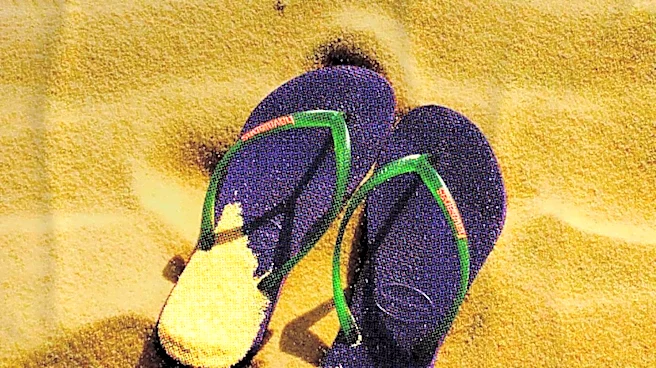
We’ve all been there. You see a pair of trendy, inexpensive sandals and think, “Why not?” They’re only $30. But after a few weeks of wear, the strap starts to fray, the sole flattens into a flimsy wafer, and they’re relegated to the back of the closet,
destined for landfill. You repeat this cycle two or three times a summer. By August, you’ve spent nearly $100 on a rotating cast of subpar footwear that never quite felt right and looked worn-out almost immediately. This isn’t savvy shopping; it’s a subscription to disappointment. The true cost of cheap items isn’t the price tag, but their short lifespan and the perpetual need for replacement. Breaking this cycle requires a mental shift: from viewing footwear as disposable to seeing it as a durable good.
The Unbeatable Versatility of Black
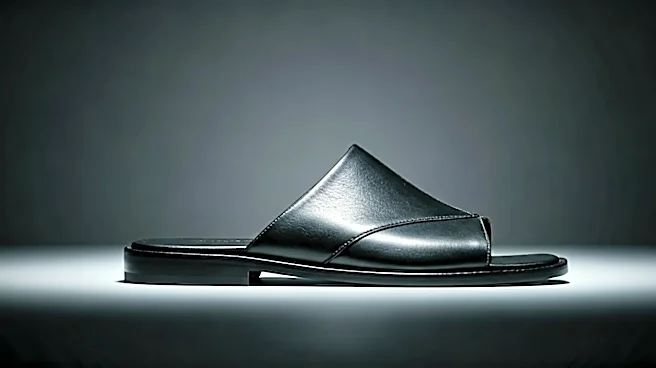
So why one, and why black? The 'one' addresses decision fatigue. Imagine a world where you don’t have to ponder which of your five mediocre pairs of sandals best matches your outfit. You have one excellent option that works with everything. This simplifies your morning routine and frees up mental energy for more important things. The 'black' is about maximum utility. A well-designed black sandal is a stylistic chameleon. It can be dressed down with denim shorts for a weekend farmers market, paired with a linen dress for an afternoon barbecue, or even worn with tailored trousers for a casual office environment. It doesn’t clash with patterns or colors; it grounds them. It’s the ultimate anchor piece for your warm-weather wardrobe, offering a quiet confidence that a loud, trendy color can never match.
Decoding 'Excellent': What to Look For
An “excellent” sandal isn’t about a flashy logo; it’s about material and construction. The first thing to look for is the material. Full-grain leather is the gold standard. It’s durable, breathable, and molds to your foot over time, creating a custom fit. Unlike synthetic “vegan leather” (which is often just plastic), real leather develops a beautiful patina with age instead of cracking and peeling. Next, examine the construction. Are the straps stitched to the sole, or just glued? A stitched sole is a hallmark of quality and is often repairable, extending the life of the sandal even further. Look for a sturdy, supportive footbed—something with a bit of shape and cushion, not a completely flat piece of rubber. Finally, consider the design. Avoid hyper-trendy details. A classic slide, a simple two-strap design, or a minimalist T-strap will look just as chic in five years as it does today. The goal is timelessness, not trendiness.
The Cost-Per-Wear Doctrine
Here's where the 'investment logic' becomes undeniable. Let’s do the math. Say you buy three pairs of $40 sandals a year. Over three years, you’ve spent $360 on shoes that likely ended up in the trash. Now, consider a single pair of high-quality, leather sandals for $250. It seems expensive upfront. But if you wear them 100 times per summer for three years, that’s 300 wears. Your cost-per-wear is a mere 83 cents. For the cheap sandals, which you might wear 15 times each before they fail, the cost-per-wear is closer to $2.67. The more expensive sandal is, in reality, more than three times cheaper over its lifespan. This framework reframes the purchase not as an indulgence, but as a calculated financial decision. You’re paying for longevity, comfort, and the elimination of future replacement costs.