

The Foundation: Keep It Simple
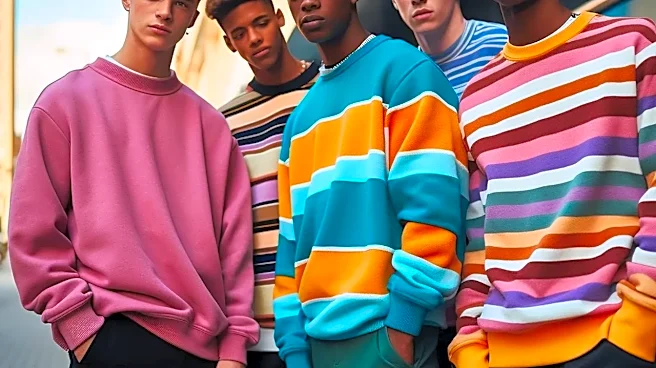
Before diving into color schemes, agree on a simple, uniform base for your group's outfits. The goal is to let the colors be the costume, not distracting patterns or logos. Think solid-colored T-shirts, sweatshirts, dresses, or jumpsuits. Everyone wearing
the same core item in a different, carefully chosen hue is the key to this concept's success. This approach is not only visually striking but also budget-friendly, as most people already own or can easily find basic solid-colored clothing. Once you have the canvas, you can start painting with your group's color palette.
For Duos: High-Contrast Complementary Colors
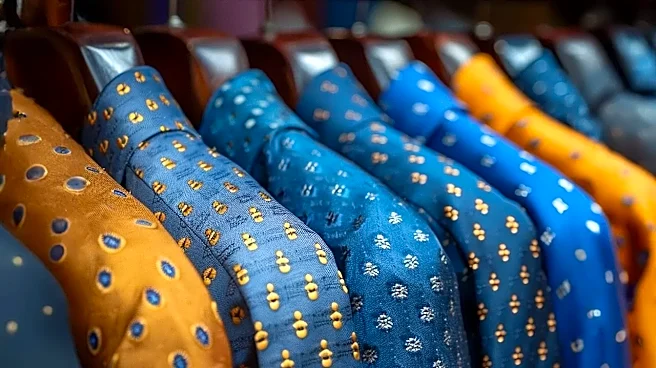
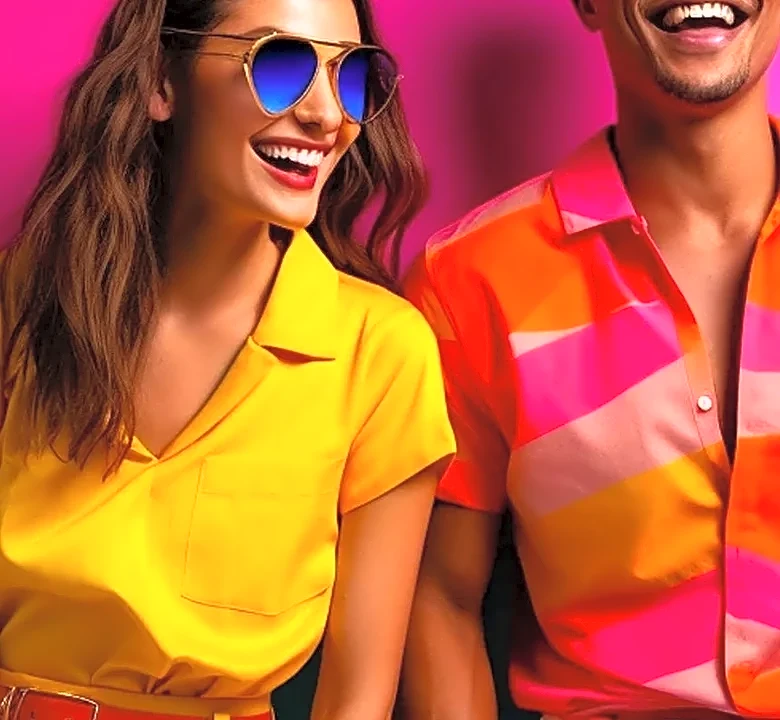
The most dramatic and eye-catching color combination is a complementary one. These are colors that sit directly opposite each other on the color wheel, and they make each other appear more vibrant. Classic pairings include blue and orange, red and green, or yellow and purple. For a group of two, or two halves of a larger group, this creates a powerful visual pop. Imagine a striking photo of someone in a bold blue dress standing next to a friend in a vivid orange one. The contrast is electric. To avoid looking too chaotic, use the 80/20 rule: one person can wear the dominant color, while the other serves as the accent, or simply stick to solid blocks of each hue.
For Threesomes: Harmonious Analogous Colors
If you have a group of three or more, an analogous color scheme is a sophisticated and harmonious choice. Analogous colors are neighbors on the color wheel, like blue, blue-green, and green. This combination creates a pleasing, gradient-like effect that's easy on the eyes and photographs beautifully, lending a sense of calm and unity. For example, a trio could dress in yellow, yellow-orange, and orange, creating a warm, sunny vibe. The close relationship between the colors ensures the group looks coordinated without being perfectly matched, offering a more subtle and elegant visual story.
For Groups of Three: Balanced Triadic Colors
A triadic color scheme uses three colors that are evenly spaced on the color wheel, forming a perfect triangle. The most famous example is the primary triad of red, yellow, and blue. This combination is balanced, vibrant, and full of energy, making it perfect for a fun-loving group. Other examples include the secondary triad of orange, green, and purple. Famous characters like Superman and Wonder Woman often use triadic colors in their costumes to appear bold and balanced. For a group costume, assign one color to each person. The result is a look that is dynamic and cohesive, with each person standing out while clearly belonging to the group.
For Any Size Group: Sleek Monochromatic Hues
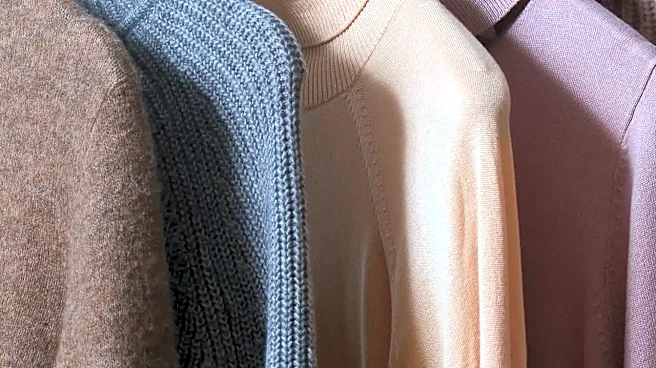
Perhaps the easiest and most chic option is a monochromatic color scheme. This involves the entire group choosing one single color—like blue—and each member wearing a different shade, tint, or tone of it. One person could wear navy, another royal blue, a third in sky blue, and a fourth in baby blue. The result is an incredibly cohesive and visually layered look that appears effortlessly stylish. It’s a foolproof way to look unified, and the subtle variations in shade add depth and interest to group photos, preventing the 'human blob' effect that can happen when everyone wears the exact same color.
Elevate the Concept: Add a Prop
To take your color theory costume to the next level, add a simple, unifying prop. The easiest and most thematic prop is a giant, novelty Pantone or paint swatch card that matches each person's color. You can make these easily with poster board. This instantly clarifies the 'costume' aspect and adds a playful, graphic element to your photos. Another popular idea, especially for a rainbow or crayon-inspired theme, is for each person to wear a pointed party hat in their respective color, instantly turning the group into a box of crayons. These small additions tie the whole look together and make the concept immediately recognizable.