




The Origin Story: More Than Just a Game
Every great sequel needs a compelling original film, and in soccer, the preceding final serves as that blockbuster event. Take the 2022 World Cup final between Argentina and France. It wasn't just a match; it was a sprawling, three-act drama with a star-studded
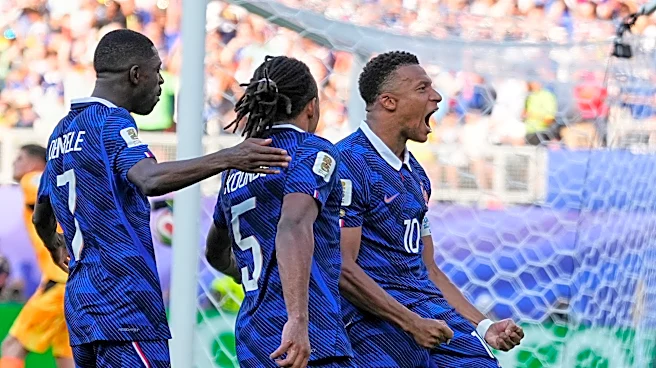
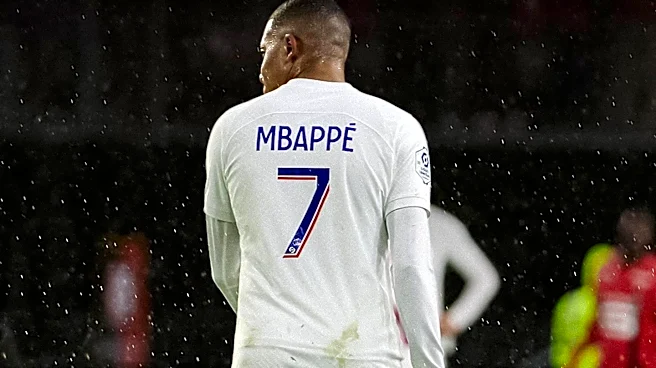
cast. Argentina surged to a 2-0 lead, with Lionel Messi seemingly minutes away from securing his legacy. Then came the plot twist: Kylian Mbappé, the young antagonist to Messi's veteran hero, scored twice in 97 seconds to force extra time. The story escalated further with more goals before a climactic penalty shootout decided the winner. A match like that doesn't just end; it sets up the next installment. The loser is left with the sting of what-if, while the winner knows their title defense will be measured against that epic performance. This shared history becomes the foundation for any future meeting, transforming it from a simple game into a battle for narrative supremacy.
The Returning Cast and Character Arcs
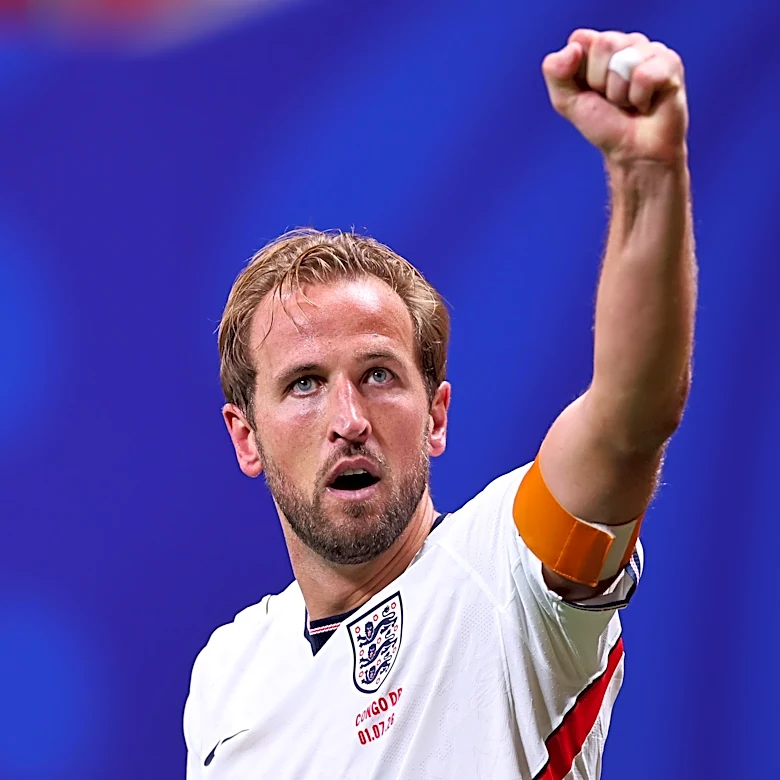
Sequels thrive on returning characters who have grown and changed, and a soccer rematch is no different. Players who faced each other in a final years prior are not the same athletes. They return with new scars, more experience, and evolving roles. A young phenom might now be a team captain. A veteran on his last legs might have been replaced by a hungry rookie. Consider a hypothetical rematch of the 2022 final at the current 2026 World Cup. Messi, having finally captured the one trophy that eluded him, would be playing with the freedom of a completed quest. Mbappé, who scored a hat-trick in a losing effort, would be driven by the memory of that bittersweet achievement. These individual journeys add layers of psychological depth. The tactical approach also evolves. Coaches, like returning directors, must decide whether to stick to their winning formula or devise a new strategy to counter a rival who has spent years studying their every move. This character development is central to why a rematch feels so personal and engrossing.
Raising the Stakes: Redemption vs. Dominance
A good sequel has to have higher stakes, and a rematch delivers this organically. The first final is for the trophy. The rematch is for something more. For the team that lost, it's about redemption—a chance to right a historical wrong. For the team that won, it’s about asserting dominance—proving the first victory wasn't a fluke. This dynamic creates an immense psychological burden. Athletes often speak of the mental weight of a rematch, where a prior loss can serve as powerful motivation or a source of anxiety. The field becomes a stage for resolving these powerful, primal narratives. It’s no longer just about who is better on the day, but about who gets to define the era. Winning a standalone final is historic. Winning a rematch against the same elite opponent cements a team's place in the pantheon of greats, while losing it can haunt a generation of players and fans.
The Fan Universe and Shared Canon
Like any great film franchise, soccer tournaments have a dedicated fan base that lives and breathes the story. For fans, a rematch is an opportunity to relive the trauma or triumph of the original. The intervening years are filled with debate, analysis, and what-ifs. Social identity theory explains that fans often tie their own self-esteem to their team's success; a rivalry creates a powerful "us vs. them" mentality that deepens this connection. The brain's reward circuits even show higher activation when a team scores against a rival compared to a regular opponent. This shared emotional investment creates a canon of stories, memes, and arguments that enriches the narrative. When the teams finally meet again, they aren't just playing for themselves; they are carrying the hopes, fears, and collective memory of millions who have been waiting for this exact sequel for years.