





The Foundational Flaw: Skipping Prep
The single biggest reason sheer lip color disappoints is applying it to unprepared lips. Unlike opaque lipsticks that cover imperfections, sheer formulas are translucent by design, meaning your natural lip texture shines through. If your lips are dry
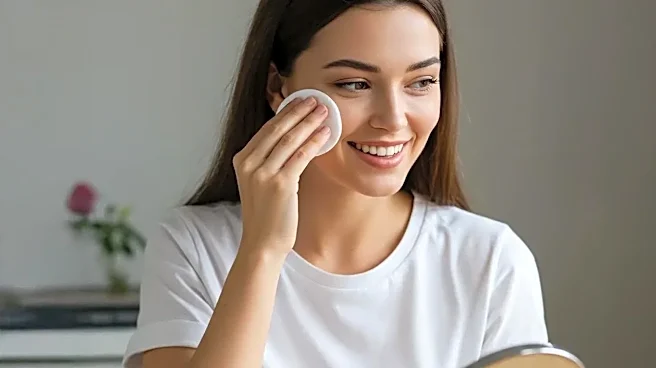
or flaky, the sheer pigment will cling to those rough patches, resulting in an uneven, splotchy finish. Think of it like painting on a transparent watercolor—the texture of the paper underneath matters. Before even thinking about color, gently exfoliate your lips with a soft cloth or a sugar scrub to create a smooth canvas. Follow up with a hydrating lip balm, but here's the crucial step: let it fully absorb for a few minutes, then blot off any excess. Applying sheer color over a greasy, slippery layer of balm will cause it to slide right off.
The Application Mistake: Swiping Like a Crayon
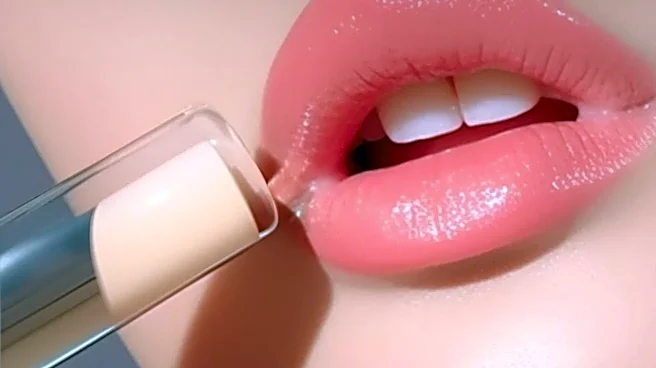
Most of us apply lipstick in a few quick swipes, which works fine for many formulas. Sheer lipstick, however, behaves differently. A heavy-handed swipe can deposit too much product at once, leading to a slippery, uneven layer that quickly fades from the center of your mouth. Instead of swiping aggressively, try a pressing or tapping motion. Use your fingertip or the lipstick bullet itself to gently press the color onto your lips, starting in the center and blending outward. This technique deposits a thin, even stain of color that adheres better to the lips. You can then build the intensity with a second thin layer, focusing on the center for a fuller, more dimensional look. This buildable approach gives you far more control and a finish that looks like a natural flush, not a poorly applied product.
The Liner Misconception: Going Too Hard
The idea of pairing a sheer, barely-there lipstick with a sharp, dark lip liner feels instantly dated. With sheer formulas, a hard outline defeats the purpose of the soft, diffused look you're trying to achieve. This doesn't mean you have to abandon liner altogether, especially if you want to prevent feathering or add definition. The key is to adjust your technique. Choose a lip liner that closely matches your natural lip color or the sheer lipstick itself. Instead of drawing a crisp, definite line, use the pencil to softly trace your lip shape and then lightly fill in the entire lip. This creates a subtle, long-lasting base for the sheer color to grip onto, preventing it from bleeding without creating a harsh border. The sheer lipstick on top will blend the liner for a seamless, polished finish.
The Longevity Problem: Expecting It to Be Super Glue
One of the most common complaints about sheer lipstick is its lack of staying power. But these formulas aren't designed to be transfer-proof, long-wear products. Their appeal lies in their hydrating, comfortable feel and easy application for touch-ups. Expecting a sheer lipstick to last through a three-course meal is like expecting a tinted moisturizer to provide full-coverage foundation. However, you can significantly extend its wear time with a simple, classic trick: blotting. Apply your first layer of sheer color, then gently press your lips together on a tissue to remove excess oils and set the pigment. For even more staying power, some makeup artists recommend dusting a tiny amount of translucent setting powder through a single ply of tissue held against your lips before applying a final, light layer of color. This locks in the color without making it feel dry or heavy.