
A Farewell Tour Becomes a Revolution
In 1991, Jane's Addiction frontman Perry Farrell wanted to send his band off with a bang, not a whimper. Inspired by European festivals like Reading, he conceived Lollapalooza not as a one-off concert, but as a touring spectacle. For the first time in America
on a large scale, the walls between genres came down. The inaugural tour mashed together alternative acts like Siouxsie and the Banshees, industrial pioneers Nine Inch Nails, and the confrontational rap of Ice-T. It was a radical concept, bringing a whole ecosystem of art installations, political activism booths, and sideshows directly to suburbs across North America. This wasn't just a concert; it was the birth of the “Alternative Nation,” a cultural touchstone for Generation X that proved audiences were hungry for something beyond the mainstream.
The End of the Road
The touring model defined the festival's first era, running annually until 1997. Those years saw legendary lineups that included the likes of Pearl Jam, Soundgarden, The Smashing Pumpkins, and A Tribe Called Quest. But by the late '90s, the novelty began to fade. The alternative rock boom that Lollapalooza helped ignite had become the new mainstream, and the tour struggled with market saturation and financial difficulties, leading to its cancellation in 1998. A brief attempt to revive the touring model in 2003 with bands like Audioslave and a reunited Jane's Addiction sputtered, and a planned 2004 tour was canceled entirely due to poor ticket sales. The era of the traveling festival seemed to be over.
The Chicago Resurrection
In 2005, Farrell, alongside partners at the William Morris Agency and a company called Capital Sports Entertainment (now C3 Presents), re-imagined Lollapalooza entirely. Abandoning the costly and logistically complex touring model, they planted roots in Chicago's Grant Park, transforming it into a single-destination festival. This strategic pivot proved to be a masterstroke. The fixed location allowed for bigger stages, more elaborate production, and a massive increase in attendance. Starting as a two-day event, its success led to a third day being added in 2006 and a fourth in 2016 for its 25th anniversary. This new format provided stability and a foundation for unprecedented growth, turning the once-nomadic festival into a permanent and iconic fixture of Chicago's summer.
Building a Global Entertainment Empire
With the Chicago model thriving, C3 Presents (which would later be acquired by Live Nation) began to export the brand. In 2011, Lollapalooza went international, launching its first South American edition in Santiago, Chile. This was just the beginning. The festival soon expanded to São Paulo, Brazil; Buenos Aires, Argentina; Berlin, Germany; Paris, France; and even Mumbai, India. Each new location adopted the core Lollapalooza DNA while incorporating local culture, creating a truly global festival network. The brand had become a powerful commercial force, evolving from a scrappy tour into a worldwide entertainment juggernaut that attracts hundreds of thousands of fans across multiple continents each year.
Alternative Ethos vs. Mainstream Appeal
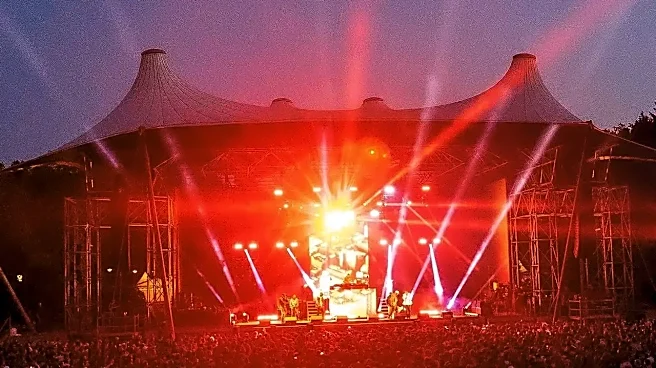
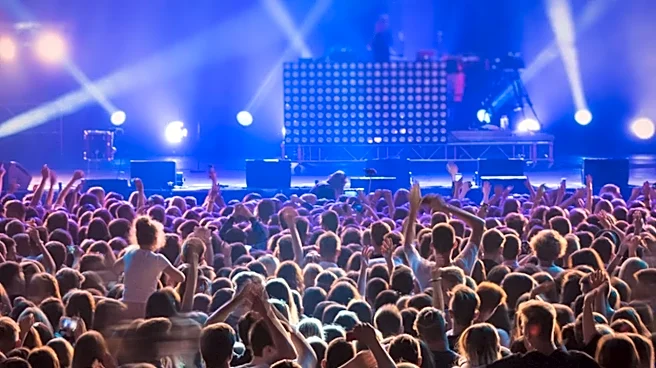
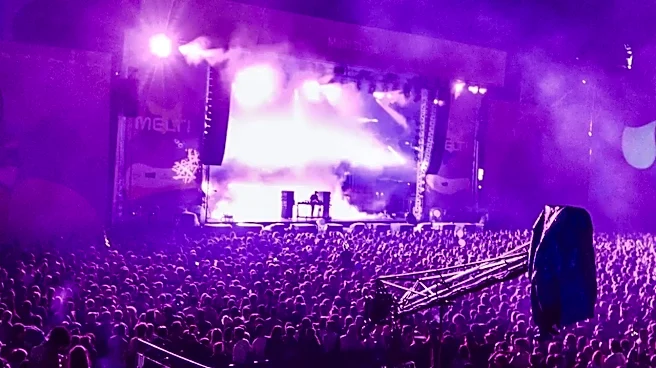
Today's Lollapalooza is a world away from the 1991 original. Where the early lineups were a deliberate stand against the mainstream, modern Lolla embraces it. The festival's headliners are now a mix of pop superstars, hip-hop giants, and EDM titans alongside rock acts. A dedicated stage for electronic music, Perry's Stage, is now one of the festival's biggest draws. This evolution reflects a broader cultural shift. The clear lines between mainstream and alternative have blurred, and Lollapalooza has adapted to survive and thrive. While some purists may miss the rebellious spirit of the early days, the festival's current iteration captures the eclectic, genre-fluid tastes of a new generation of music fans, from TikTok sensations to K-Pop superstars.