

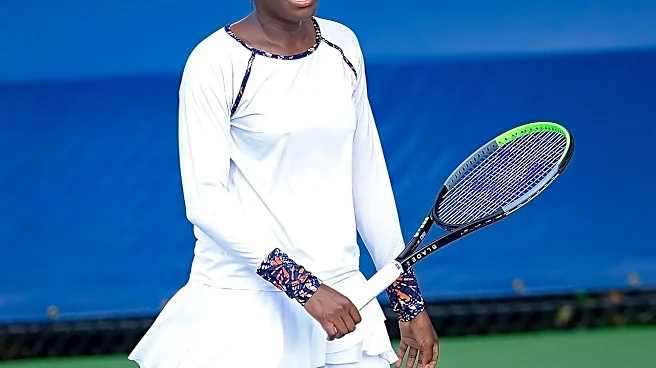
Beyond a Single Shade of White
The world of professional tennis, particularly at historic tournaments like Wimbledon, is famous for its strict all-white dress code. The rule dates back to the Victorian era, when visible sweat was considered improper, and white clothing was thought
to minimize its appearance. While modern athletic fabrics have solved that problem, the tradition remains a powerful symbol of the sport's elegant heritage. However, a critical detail often missed by the casual observer is that “all-white” is not a single look. While Wimbledon's rules explicitly forbid off-white and cream, players still find ways to create visual depth. The secret lies in tonal dressing: the art of combining different textures and even subtly different proprietary whites from various brands to construct an outfit that is anything but one-dimensional.
The Art of Texture and Tone
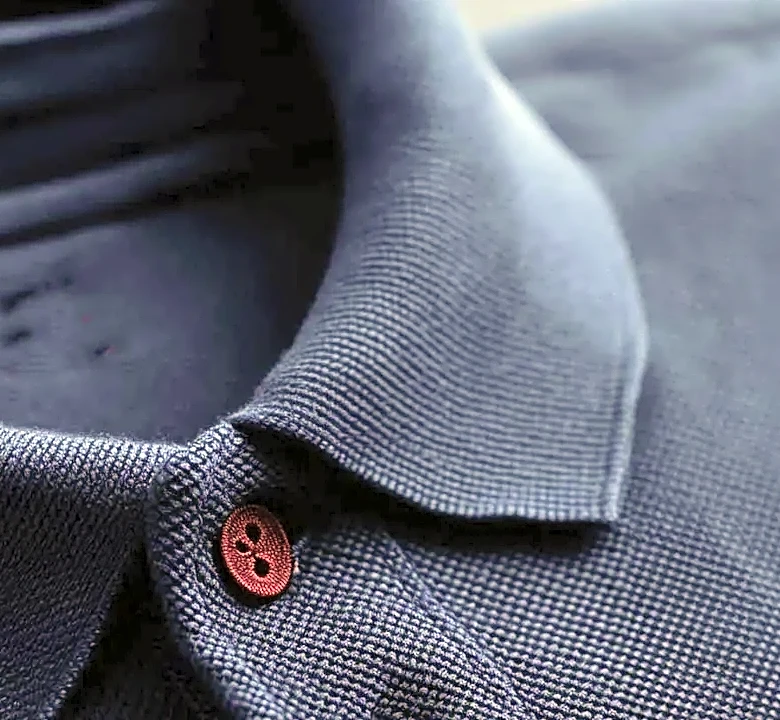
Fashion buyers and stylists look for the interplay of materials. A player might wear a crisp, pleated piqué skirt paired with a top made from a softer, ribbed-knit fabric. One piece might feature breathable mesh panels while another has the subtle sheen of a high-performance synthetic. These textural differences catch the light in unique ways, creating a dynamic and sophisticated silhouette. Think of a smooth, woven fabric next to a perforated one, or a structured collar on a polo against the soft drape of the shirt's body. Even if every piece is a pure, optic white, the combination of different fabric surfaces adds a layer of intentionality and design that elevates the entire look from a uniform to an outfit. It's this mastery of subtlety that allows players to express personal style within the sport's tightest constraints.
A Quiet Form of Individuality
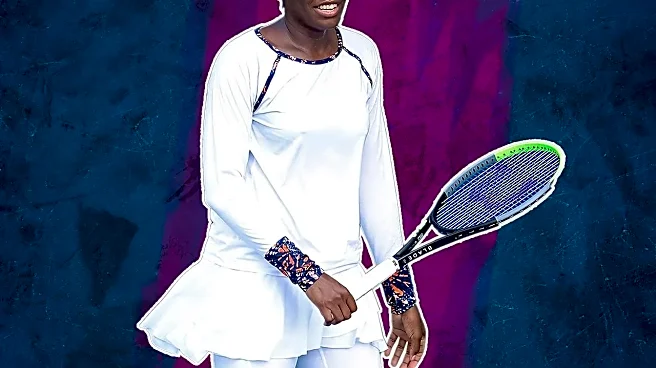
In a sport where logos and colors are heavily restricted, especially at certain venues, tonal dressing becomes a powerful tool for self-expression. For athletes sponsored by major apparel brands, these nuanced outfits are carefully curated. Designers use fabric technology and construction details—like bonded seams, laser-cut perforations, or unique pleating—to make their all-white collections stand out. This allows a player to look distinct even when wearing the same color as their opponent. It’s a quiet rebellion against uniformity and a signal of fashion literacy. This approach has also filtered down into the popular “tenniscore” aesthetic, where people are styling all-white looks for life off the court, from brunch to city strolls.
How to Spot the Details Yourself
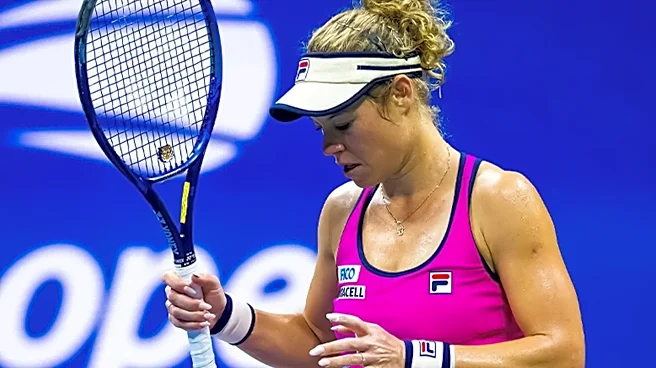
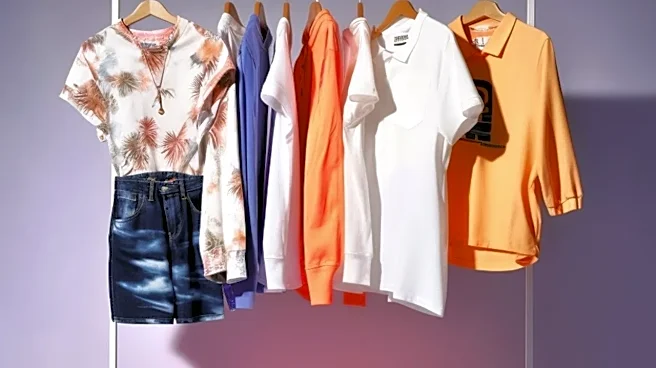
Once you know what to look for, you'll start seeing it everywhere. Pay attention to how a player's outfit moves. Does the skirt have a different finish than the top? Are the socks a classic cotton rib while the dress is a sleek, technical weave? Look at the subtle differences in sheen between a visor and a shirt, or the textural contrast of a wristband. When shopping for your own tennis or tennis-inspired wear, think like a stylist. Instead of buying a pre-packaged set, try mixing and matching pieces. Pair a classic pleated skirt with a modern, form-fitting tank top in a slightly different material. The goal is to create an ensemble that feels curated and thoughtful, proving that even within a world of white, there's plenty of room for style.