



The Challenge of Ascot Style
For many Americans, Royal Ascot conjures up images from *My Fair Lady*—exaggerated hats, stiff postures, and a sea of frothy, elaborate ensembles. The reality isn't far off. As one of Britain’s most prestigious social and sporting events, it operates
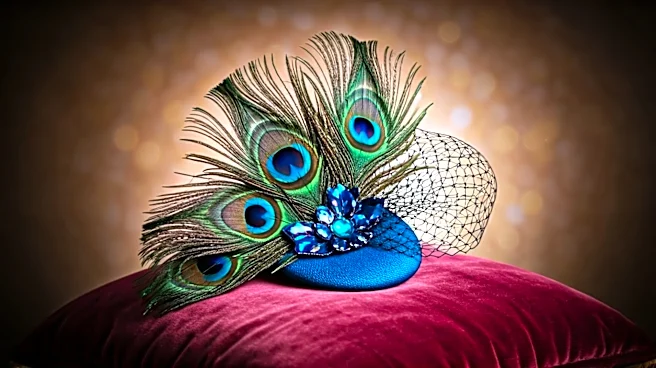
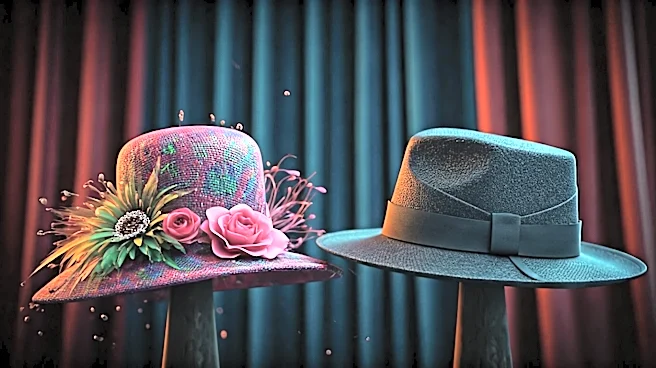
under a famously strict dress code. In the Royal Enclosure, dresses must be of a “modest length,” straps must be at least one inch wide, and a hat or substantial headpiece is mandatory. This fashion rule-making can often lead to a very specific kind of dressing: safe, structured, and occasionally bordering on costume. It’s a sartorial challenge that encourages peacocking through architectural hats and brightly colored, armor-like occasion wear, where the outfit often wears the woman.
The Simple Genius of the Bias Cut
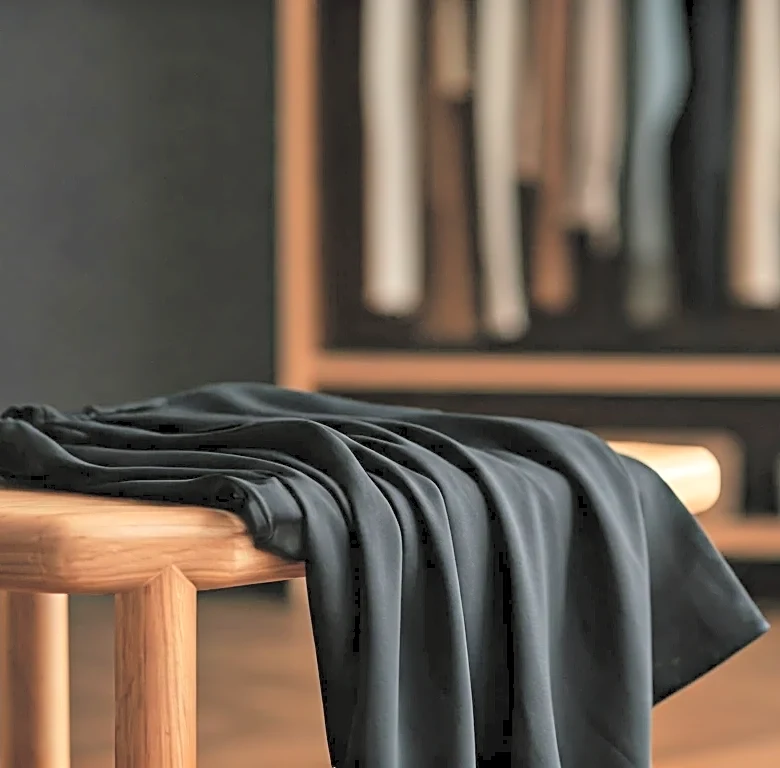
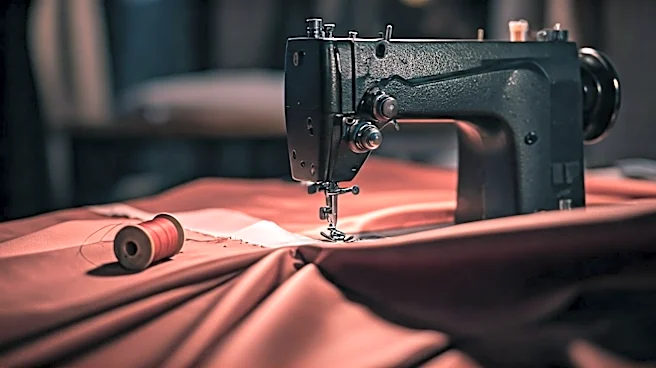
Enter the bias cut. It sounds technical, but the concept is revolutionary in its simplicity. Instead of cutting fabric along the straight grain, it’s cut on a 45-degree diagonal. Pioneered and perfected by French couturier Madeleine Vionnet in the 1920s, this technique unlocks the fabric’s natural drape and elasticity. It allows material—especially silks and satins—to skim and glide over the body rather than constricting it. Think of the liquid silver gowns of 1930s Hollywood screen sirens like Jean Harlow. That fluid, sensuous movement was the magic of the bias cut. It was a radical departure from the corseted, rigid silhouettes that came before it, offering women a new kind of freedom and understated glamour.
A Whisper of Modernity
At an event defined by structure, the bias-cut dress is a quiet rebellion. It fulfills all the technical requirements of the Ascot dress code—modest length, appropriate neckline—but its soul is entirely different. Where a structured sheath dress stands at attention, a bias-cut dress moves with you. It breathes. It catches the light in a way that feels dynamic, not static. This makes it an incredibly modern choice. It signals a shift in priorities from performative dressing to a more personal, confident style. The woman in the bias-cut dress isn’t hiding behind layers of taffeta or a rigidly tailored silhouette; she’s embracing a look that is both supremely elegant and effortlessly comfortable.
The Slip Dress Goes Formal
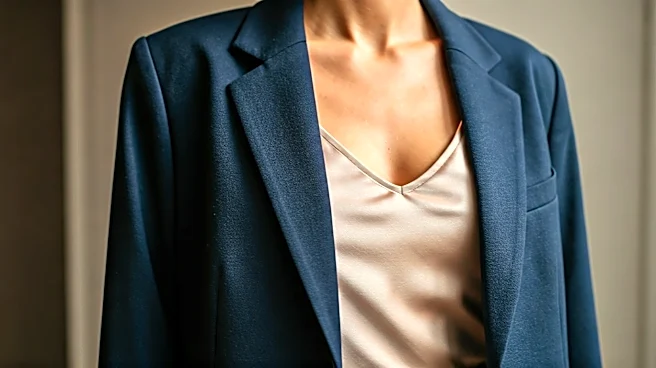
The most visible ambassador for this trend is the bias-cut slip dress. Once relegated to lingerie or '90s grunge, the modern slip dress in a heavy silk or crepe-back satin has become a formalwear staple. At Ascot, these dresses are appearing in jewel tones and sophisticated pastels. They adhere to the “one-inch strap” rule and fall gracefully below the knee. Paired with a chic, minimalist headpiece, a tailored blazer, and elegant heels, the look is pure couture. It’s a masterclass in proportion and texture, proving that true style doesn’t need to shout. It sidesteps the fuss and pageantry, offering a vision of formal dressing that feels both timeless and perfectly suited for today.
Prints That Move and Flow
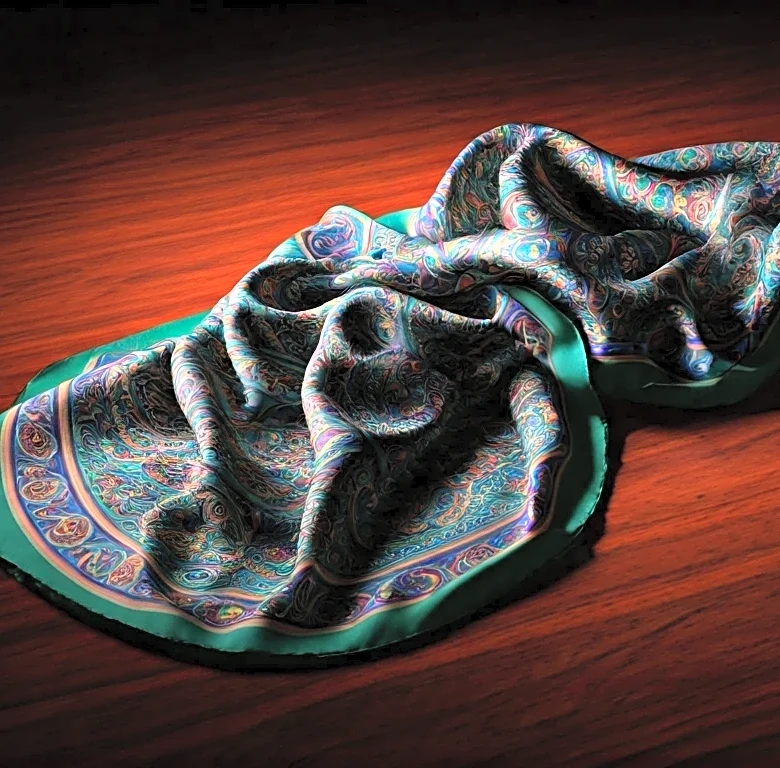
The bias cut also transforms how patterns are worn. On a standard cut, a floral or polka-dot print can feel flat and predictable. But when the fabric is cut on the bias, the pattern warps and shifts with the body's movement. Polka dots become slightly elliptical, and floral motifs seem to cascade down the dress. This subtle dynamism adds a layer of visual interest that feels more sophisticated than a simple, repetitive print. It prevents the dress from looking like upholstery or a tablecloth, a common pitfall of less thoughtful occasion wear. The result is a look that is polished and pretty, but with an underlying current of energy and life—perfect for a day at the races.