








The Golden Rule: Busy Time vs. Empty Time
The foundational principle of waiting is that unoccupied time feels dramatically longer than occupied time. This is the most powerful lever in queue psychology. Think about it: a ten-minute wait in a sterile hallway with nothing to do feels punishing.
A ten-minute wait while scrolling through your phone, chatting with a friend, or looking at a menu feels like nothing. Businesses have mastered this. The mirrors by the elevator aren't just for checking your reflection; they're there to give you something to do for a few seconds. The TVs broadcasting news in the mechanic's waiting room, the menus handed out at a busy restaurant before you're seated, and even the impulse-buy items at the checkout counter all serve the same purpose: to occupy your mind and make the wait feel shorter.
The Anxiety of the Unknown
Anxiety is a potent time-stretcher. A wait with no defined end is one of the most stressful kinds. Not knowing whether you'll be waiting for two minutes or forty creates a mental burden that makes every second feel heavier. This is why finite, known waits are far more tolerable. When a theme park displays a "45 Minute Wait From This Point" sign, it's not just managing crowd flow; it's managing your sanity. Even if the time is long, the certainty allows you to relax, mentally prepare, or decide to come back later. Conversely, an unexplained delay—a subway car sitting motionless between stations, for example—feels infinitely more frustrating than one where the conductor announces a brief signal problem.
Our Deep-Seated Need for Fairness
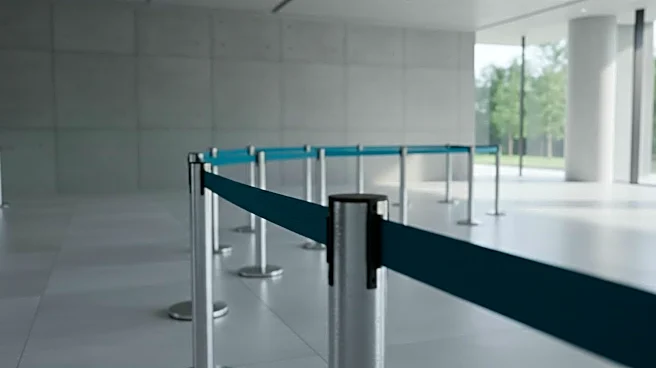
Humans have an innate, almost primal sense of justice when it comes to waiting our turn. Unfair waits are perceived as much longer and more infuriating than equitable ones. The sight of someone cutting in line can trigger what's known as "queue rage." This is why the serpentine, single-file line that feeds into multiple registers has become so common in banks, airports, and busy coffee shops. While it may look longer, it guarantees a "first-in, first-out" process that everyone perceives as fair, eliminating the stress of picking the "wrong" line and watching someone who arrived after you get served first. Any system that feels arbitrary or allows for rule-breakers makes the wait feel unjust and, therefore, longer.
Getting Started Makes All the Difference
The wait before the service has officially begun always feels the longest. This is called the pre-process wait. Once you feel like the process has started, your perception of time changes. That's why a restaurant host will take your name and hand you a buzzer, or a doctor's office will have you fill out paperwork. Even though you are still waiting, these actions signal the beginning of the service experience. It makes you feel like you've been acknowledged and entered into the system, transitioning your wait from a passive, frustrating experience to an active part of the process. That simple question, "Can I get you started with some drinks?" is a masterclass in queue psychology, making the wait for your food feel shorter by starting the service early.
The Value Proposition of the Wait
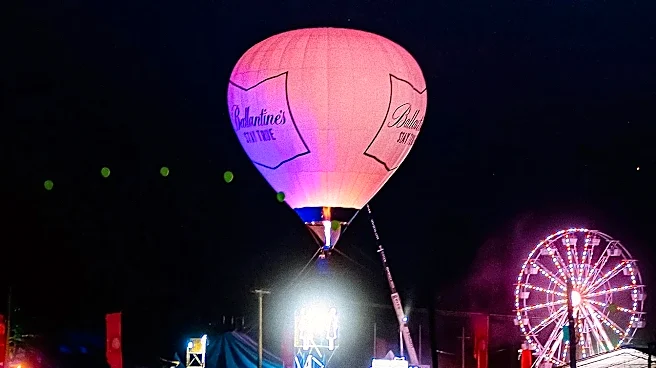
Finally, the perceived value of what you're waiting for sets your tolerance level. You'll happily wait an hour for a table at a critically acclaimed restaurant or camp out overnight for concert tickets, but a ten-minute wait for fast food can feel unacceptable. The wait is part of the cost of acquisition, and our willingness to "pay" that cost is directly tied to the expected reward. Businesses that understand this use the wait to reinforce the value of their service. Pre-show entertainment for a ride or a concert, for instance, not only occupies time but also builds anticipation, framing the wait not as an inconvenience but as part of the valuable experience itself.