




More Than Just 'Old'
On the red carpet, 'vintage' and 'archive' are often used interchangeably, but they aren't the same. While any pre-owned item can be called vintage, an 'archive' piece is different. It’s a garment or accessory pulled directly from a fashion house's historical
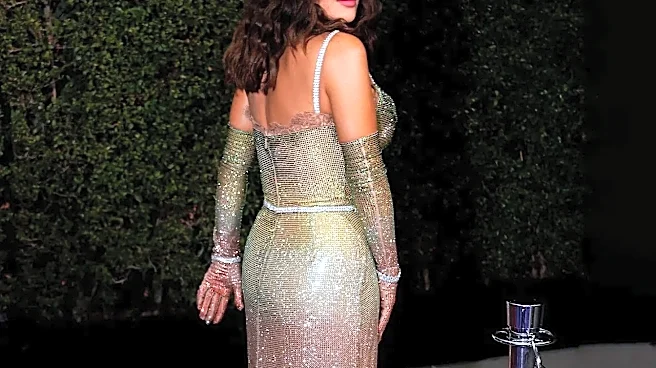
collection. These are the masterworks, the runway samples, and the culturally significant items that brands like Chanel, Dior, and Versace preserve in climate-controlled vaults. They are living records of a designer's creativity and evolution. When a celebrity wears an archive piece, they aren't just wearing old clothes; they're borrowing a piece of a museum, a tangible piece of fashion history that has been meticulously cataloged and protected. This act transforms the look from a simple outfit into a curated statement.
A Story in Every Stitch
The single biggest reason for the rise of archive fashion is its storytelling power. A thoughtfully chosen piece can add layers of meaning to a celebrity's presence. No one understands this better than stylist Law Roach and his client, Zendaya. Their red carpet appearances are masterclasses in narrative dressing. For a 'Spider-Man' premiere, Zendaya wore an archival Giorgio Armani gown with a delicate spiderweb design. For a film inspired by Greek mythology, she donned an Alexander McQueen for Givenchy dress from a 1997 collection titled 'The Search for the Golden Fleece.' These choices aren't random; they are intentional, deeply researched nods to the project at hand, turning a press tour into a thematic art performance. The garment becomes part of the film's extended universe, connecting fashion, cinema, and history in a way that a brand-new dress rarely can.
The Ultimate Status Symbol
In a world where any wealthy person can buy a current-season runway look, an archive piece has become the ultimate status symbol. It’s a flex that’s about access and knowledge, not just money. Gaining entry to a house's archives is a privilege reserved for a select few A-listers who the brand feels will honor the garment's legacy. This exclusivity signals that the wearer is not just a customer but a true fashion insider with cultural currency. It's a way of demonstrating taste and discernment. When a star gets exclusive access to the Bob Mackie archives or has Balmain's creative director open up the 1950s couture vaults, it broadcasts a level of industry clout that is impossible to buy.
Connecting with Hollywood Royalty
An archive accessory, in particular, can serve as a direct link to Hollywood's golden age. Major jewelers like Bulgari and Cartier maintain 'Heritage Collections'—archives of their most iconic creations. These are the very necklaces, bracelets, and earrings once worn by legends like Elizabeth Taylor. When a modern star wears a piece from Taylor's personal Bulgari collection, as Jessica Chastain has done, it creates a powerful sense of continuity. It's a sartorial conversation across generations. This nod to the past offers a powerful hit of nostalgia for the audience and allows the current star to align themselves with the enduring glamour of a bygone era. A 19th-century diamond pendant or an Art Deco brooch does more than just sparkle; it carries the weight of its own history.
A Quiet Nod to Sustainability
While glamour and storytelling are the primary drivers, there's also a subtle but significant sustainability angle to wearing archive fashion. In an industry often criticized for its environmental impact and relentless cycle of newness, choosing to re-wear a piece from the past is a powerful statement. It's a quiet rebellion against trend-driven consumption. By showcasing a garment that is decades old but still relevant and beautiful, celebrities demonstrate that great design is timeless. This act champions a more considered approach to fashion, suggesting that value lies in craftsmanship and longevity, not just novelty. It’s the most glamorous form of recycling, proving that looking backward can be a progressive move.