




The Case for Empowerment and Structure
For many designers, the modern corset top is a reclamation of a historically restrictive garment. They see it not as a tool of oppression, but as a symbol of architectural beauty and feminine power. In this view, today's woman isn't being forced into
a corset; she is choosing to wear it. This choice transforms the garment from a symbol of confinement into one of confidence and bodily autonomy. Designers like the late Vivienne Westwood and Jean Paul Gaultier built careers on subverting corsetry, turning it into armor and an expression of edgy, powerful femininity. Contemporary creators who embrace the style argue they are celebrating the body's form, using structured seams and boning (often flexible plastic, not whalebone) to create a dramatic, flattering silhouette. It’s seen as a piece of wearable sculpture, a testament to craftsmanship that accentuates curves in a way that less structured garments cannot.
The Argument Against: A Painful History
On the other side of the aisle are designers who argue that the corset can never fully shed its oppressive history. For centuries, corsets were used to contort women's bodies into an idealized, often medically dangerous, shape dictated by a patriarchal society. They were instruments of control, restricting breath, movement, and physical freedom. Critics argue that reintroducing the corset, even in a modernized form, implicitly glorifies that history. They question whether a garment so deeply entangled with female suffering can ever be truly “empowering.” Some see its revival as a creative step backward, a lazy dip into the historical archives instead of inventing new, forward-thinking silhouettes for the modern woman. For them, celebrating the corset is like celebrating the cage, no matter how gilded it is.
The Commercial Machine vs. Artistic Originality
The disagreement isn't purely ideological; it’s also about commerce. The corset top's massive popularity, fueled by period dramas like *Bridgerton* and TikTok trends, has made it a commercial juggernaut. Fast fashion brands churn out endless variations, and it’s become a predictable go-to for a guaranteed hit. This saturation is a point of contention for designers focused on originality. When a single silhouette dominates the market, it can stifle creativity and lead to a sense of trend fatigue within the industry. Some designers may not object to the corset itself, but rather to its relentless, algorithm-driven ubiquity. Their disagreement stems from a desire to push fashion forward, not just endlessly recycle a proven seller. The debate becomes one of artistic integrity versus the pressure to produce what's guaranteed to sell.
A Modern Interpretation: Is It Even a Corset?
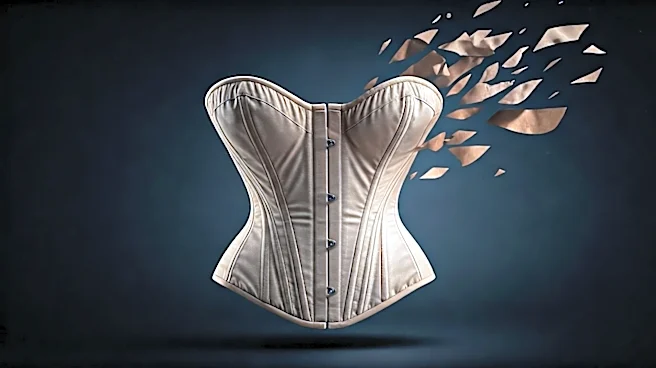
Perhaps the most nuanced part of the debate is that most of what we call a “corset top” today bears little resemblance to its historical ancestor. A true Victorian corset was a complex, rigid undergarment designed to reshape the torso. Today’s versions are often soft tops with decorative seam lines, a lace-up front, or plastic boning that offers gentle shaping rather than radical reconstruction. Some are essentially just form-fitting bustiers. This distinction is key. A designer who loves a bustier top with corset-like *details* might still be vehemently opposed to the idea of a true, tightly-laced corset. The disagreement, then, can be about semantics. One camp is defending an aesthetic—a visual nod to history—while the other is critiquing the function and historical baggage of the original garment. Both can be right, depending on which definition of “corset” they’re using.