








The Real Problem Isn't Choice, It's Vibe
Summer nights are precious. You might have the energy for a three-hour epic on a Saturday, but on a Tuesday, you just want something that gets the job done before you turn into a pumpkin. The real challenge of streaming isn't a lack of good movies; it's
finding a movie that matches your available time and energy. Scrolling through posters and trailers gives you genre and star power, but it rarely tells you about the commitment you're about to make. Is this a tight, 95-minute thriller that will have you on the edge of your seat and in bed by 11 p.m.? Or is it a 165-minute historical drama that requires notes? This is where the most underrated tool in cinematic matchmaking comes in: the runtime.
The Secret Weapon: Filtering by Runtime
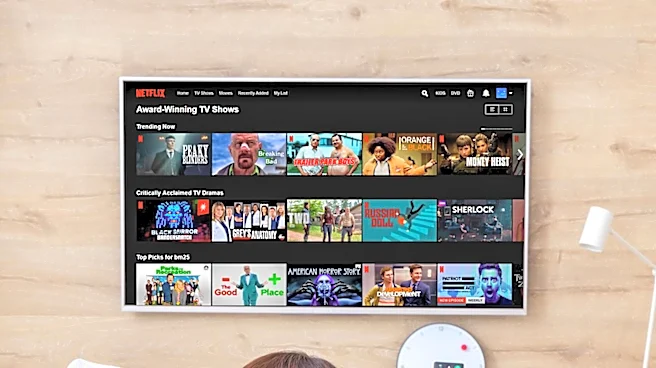
Filtering by runtime isn't just about how long a movie is; it’s a surprisingly effective proxy for its entire personality. A film made to be under 100 minutes is structurally different from one that sprawls past the two-and-a-half-hour mark. Shorter films often have tighter scripts, faster pacing, and a more focused narrative. They have to make every scene count. Longer films can afford to be more meditative, complex, or, let's be honest, bloated. By deciding on a runtime before you browse, you’re not just choosing a length; you’re choosing a mood. While most major streaming platforms like Netflix and Max don't make this filter obvious on their main interface, third-party guide apps like JustWatch and Reelgood are essential tools that allow you to sort and filter by runtime across all your services. You can simply set your desired time limit and see every available movie that fits the bill.
The 90-Minute Sweet Spot
Looking for a guaranteed good time that respects your schedule? The sub-100-minute movie is your best friend. This is the natural habitat of the breezy comedy, the nail-biting horror film, and the efficient action flick. These are movies designed for maximum impact with minimal fluff. Think of it as the pop song of cinema: catchy, effective, and over before you get tired of it. When you have decision fatigue, setting a 90-minute limit is liberating. It removes all the ponderous epics and sprawling dramedies from the equation, leaving you with a curated list of movies that are built to entertain without demanding your entire evening. It’s the perfect filter for finding a hidden gem on a weeknight.
The Under-Two-Hour Gold Standard
For a more substantial but still manageable experience, the 100-to-120-minute range is the gold standard for mainstream movies. This is where you’ll find the majority of classic summer blockbusters, well-developed dramas, and satisfying thrillers. This runtime gives a story enough room to breathe, develop its characters, and deliver a fulfilling third act without feeling rushed or overstaying its welcome. When you’re in the mood for a “real movie” night but don’t want to commit to a cinematic marathon, this is your target. Using a tool to filter for movies in this bracket will surface countless critically acclaimed hits and crowd-pleasers that you might have otherwise scrolled past. It’s the ideal filter for a Friday night when you want quality and substance without the time commitment of an epic.
When to Go Long (Over 150 Minutes)
Of course, there’s a time and a place for the epic. For those lazy summer weekends or rainy Sundays, a long movie can be a luxurious escape. But because these films require a significant time investment, you should choose them deliberately, not stumble into them. Filtering for movies over 150 minutes helps you identify the prestige dramas, historical sagas, and visionary sci-fi epics that are meant to be savored. Instead of accidentally starting a three-hour film at 10 p.m., you can plan for it. This simple act of sorting transforms a potentially frustrating experience into an intentional one. The runtime filter empowers you to be the master of your own viewing schedule, ensuring the movie you pick is always the right fit for the moment.