







The Anatomy of a Choke
In sports psychology, a 'choke' is a significant drop in performance under pressure. It happens when an athlete shifts from trusting their highly trained skills to overthinking their every move, often driven by a fear of failure or negative judgment.
The body reacts to this mental shift with physical tension, which can disrupt rhythm and timing. This immediate aftermath is often overwhelming, filled with shock, frustration, and a deep sense of self-doubt. Many sports psychologists note that athletes can experience a genuine grief process, moving through denial, anger, and depression before reaching acceptance. This is especially true when an athlete’s self-worth is tightly fused to their performance, making a loss feel like a personal failure rather than just a professional setback.
Taking Control of the Narrative
How an athlete responds in the hours and days after a major blunder is critical. Hiding from the media or issuing a delayed, defensive statement can prolong the negative attention. In contrast, promptly admitting fault and showing remorse can help an athlete begin to win back public trust. This isn't just about public relations; it's about the athlete taking ownership of the event rather than letting it own them. By facing the music, they begin the process of reframing the setback as a single event, not a permanent definition of their career. This structured reflection, often guided by a coach or sport psychologist, is key to processing what happened without falling into a spiral of destructive self-criticism.
Rewiring the Brain for Resilience
Recovery is an active process that involves deliberate mental work. Sports psychologists employ several techniques to help athletes bounce back. One powerful tool is cognitive reframing, which teaches athletes to change unhelpful thought patterns and view the failure as feedback or a lesson, not a catastrophe. Visualization is another key strategy; athletes mentally rehearse future success to rebuild confidence and reinforce positive pathways in the brain. Mindfulness and controlled breathing exercises can also help manage the immediate stress and anxiety that follow a mistake, allowing the athlete to regain emotional balance. The goal is to separate their core identity from the outcome of a single performance, fostering a sense of self-worth that isn't dependent on winning.
The Path to Redemption
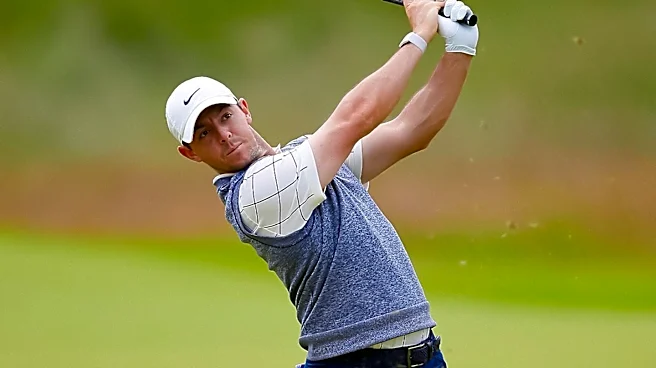
The greatest athletes often use their most painful failures as fuel. Michael Jordan famously used being cut from his high school varsity team as lifelong motivation. After a devastating collapse in the final round of the 2011 Masters, Rory McIlroy used the experience to identify weaknesses in his game and mental approach, winning the very next major tournament. This demonstrates a crucial step in long-term recovery: reconnecting with a deeper purpose. It’s about adjusting goals and recommitting to the process of improvement, one small, consistent action at a time. For some, like Tiger Woods returning to win the Masters in 2019 after years of injury and personal struggles, the comeback is a crowning achievement. For others, it's about proving to themselves that one mistake doesn't get the final word.